Locations · St. Cloud, Minnesota
Furnace Repair Around St. Cloud
Fourteen towns around our St. Cloud base, each with its own furnace page and its own local detail.
Fourteen towns around our St. Cloud base, each with its own furnace page and its own local detail.
Quarry Furnace Co. is based at 823 1st St S in St. Cloud, and the towns on this page are the communities around that base, reached by the highways and county roads that run out of the city in every direction. St. Cloud sits on the Mississippi River where the Sauk River joins it, and the towns below follow those same rivers, the rail lines, and the old farm roads outward — which is why the heating problems change as you travel. A home beside the river in Sauk Rapids and a home on a rural road outside Foley do not always have the same furnace, the same fuel, or the same duct layout, even though both sit in the same Minnesota winter.
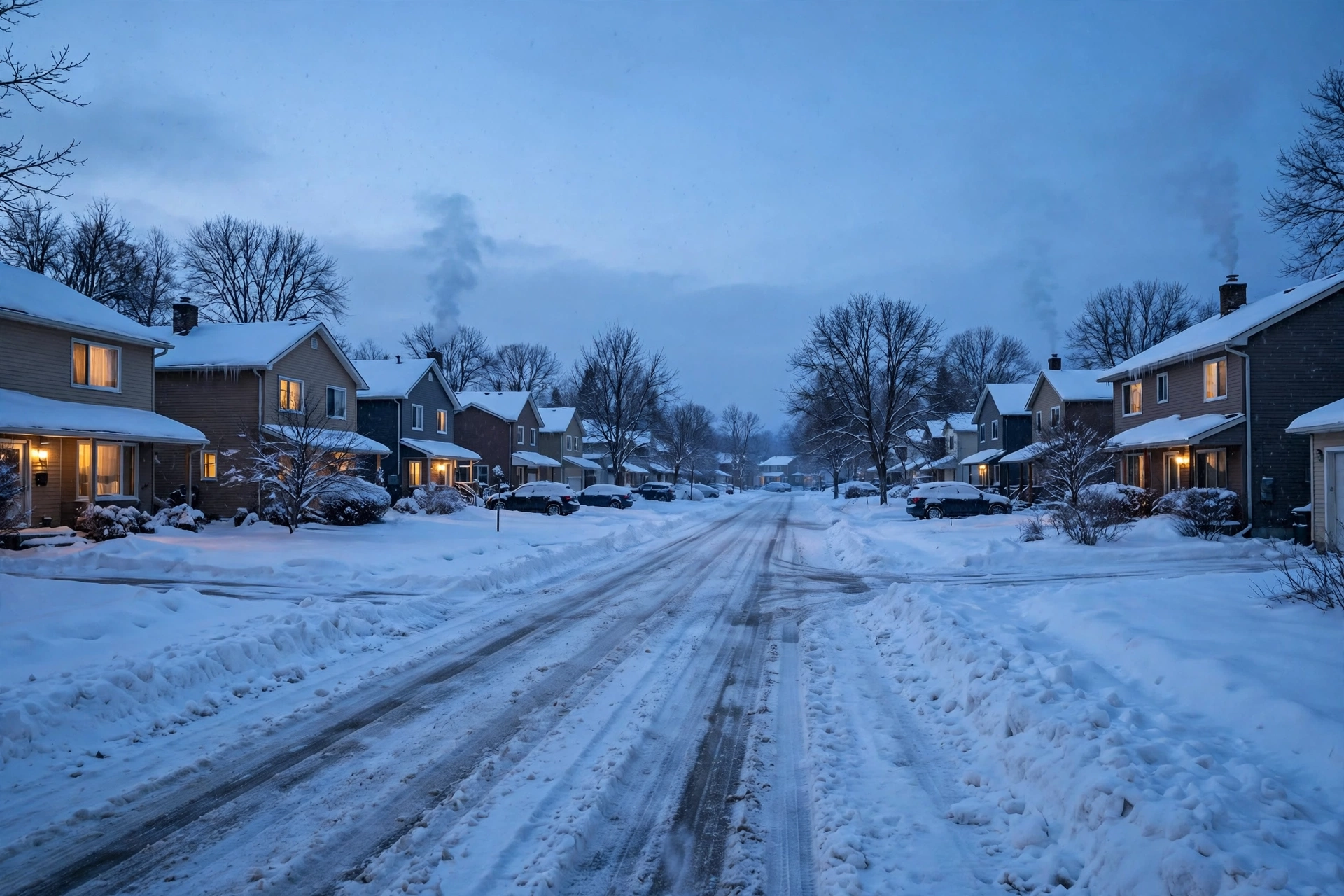
The heating season here runs roughly from October through April, and the current 1991–2020 climate normals put St. Cloud's January mean at 11.8 degrees Fahrenheit. That is a long season for a furnace to carry, and it is why the pages on this site pay attention to the things that wear a system down over months of steady running: filters that clog, blowers that labour, vents that ice up, and heat exchangers that see thousands of heating cycles. A furnace that is only just coping in November tends to show it by January, and the town pages below tie that seasonal pattern to the kinds of homes each community actually has.
St. Cloud itself is covered from the homepage, which carries the city's neighbourhoods and ZIP codes in full. That is deliberate: the homepage is the home-city page, so a separate St. Cloud town page would only repeat it. The fourteen pages linked below are for the towns around the city, and each one carries that town's own detail — its ZIP codes, and its neighbourhoods where a sourced list exists. Where no sourced neighbourhood list exists for a town, the page uses plain descriptions of streets, rivers, and landmarks instead, because inventing a neighbourhood name would be worse than leaving it out.
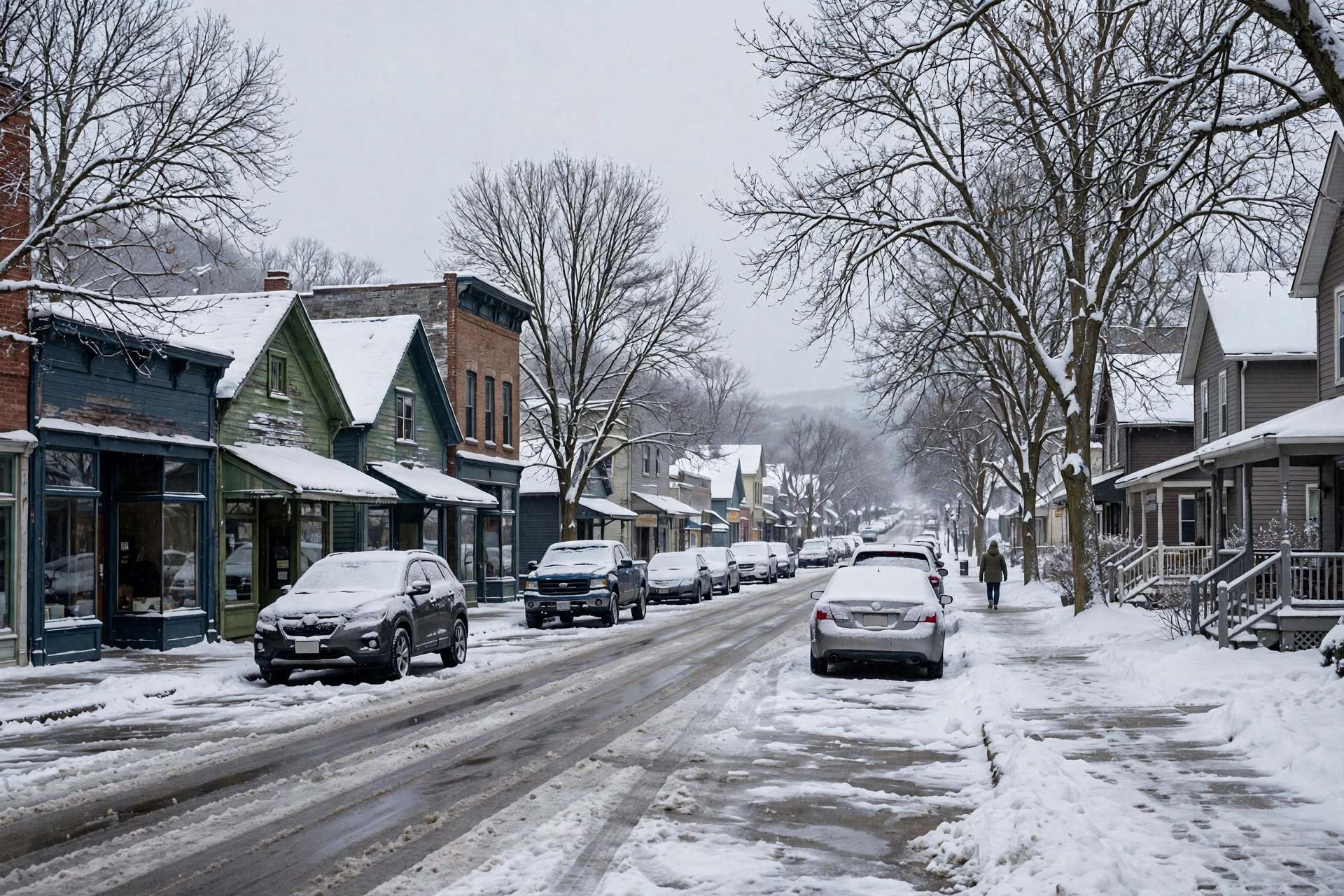
The nearest towns are the ones most people picture first. Sartell straddles the Mississippi just north of the city, and Waite Park sits immediately west of St. Cloud along Division Street, the area's main retail corridor. St. Joseph is home to the College of Saint Benedict, and its compact downtown around Minnesota Street gives it a mix of older homes and student-area housing. St. Augusta lies directly south of the city and shares St. Cloud's 56301 ZIP code. Each of these towns has its own page, and each page starts from the town as it is, not from a template filled in with a new name.
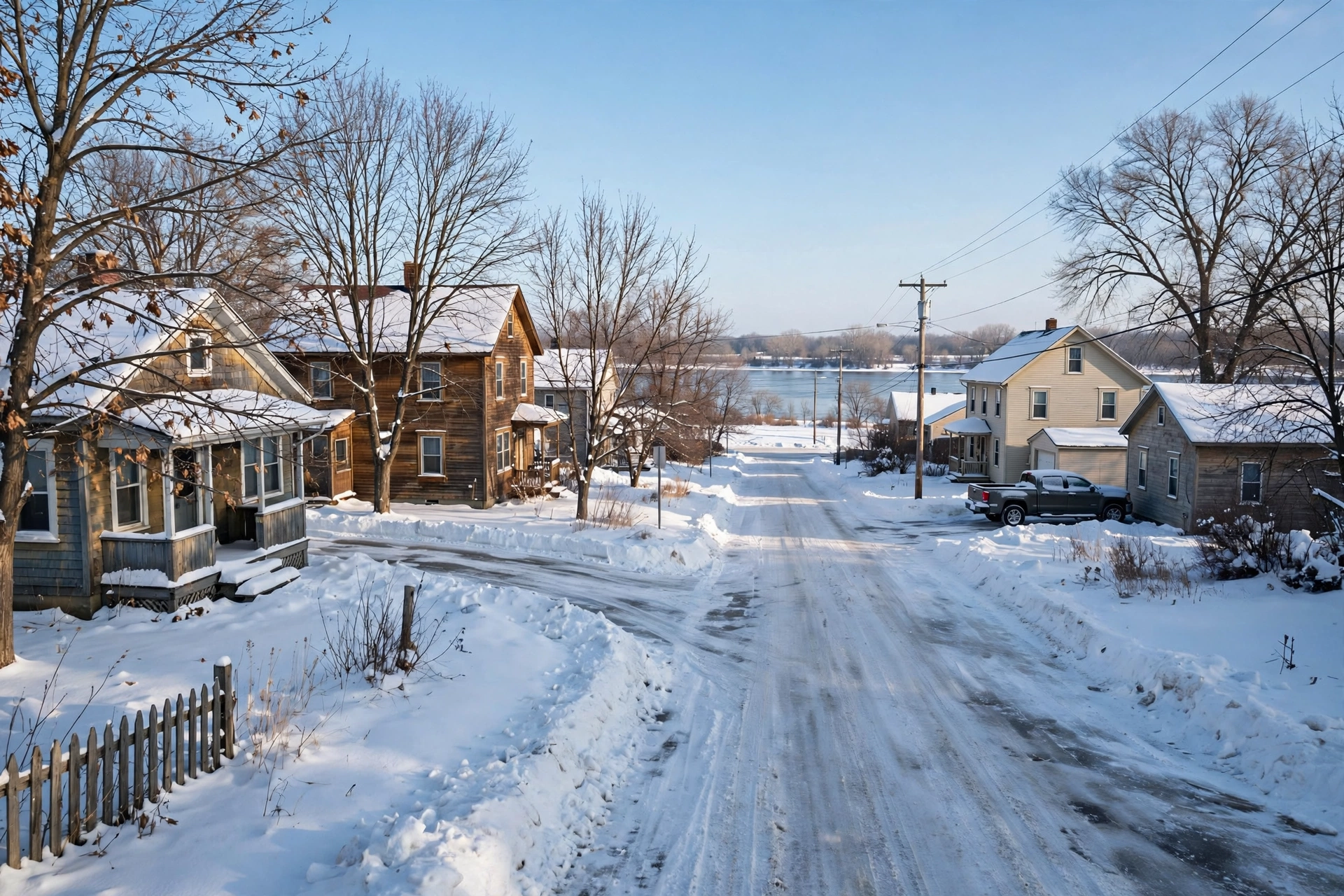
Further out, the pattern shifts. Rice sits on U.S. Highway 10 in Benton County, with the Mississippi to the west and Little Rock Lake to the east, while Cold Spring stands at the gateway of the Sauk River Chain of Lakes. Albany and Avon both sit on the Lake Wobegon Trail, and Clearwater lies between the Mississippi and the Clearwater River, mostly in Wright County. Those differences in setting show up in the homes: lake-country houses, trail-town houses, and farm-road houses do not heat alike, and the town pages say so where it matters.
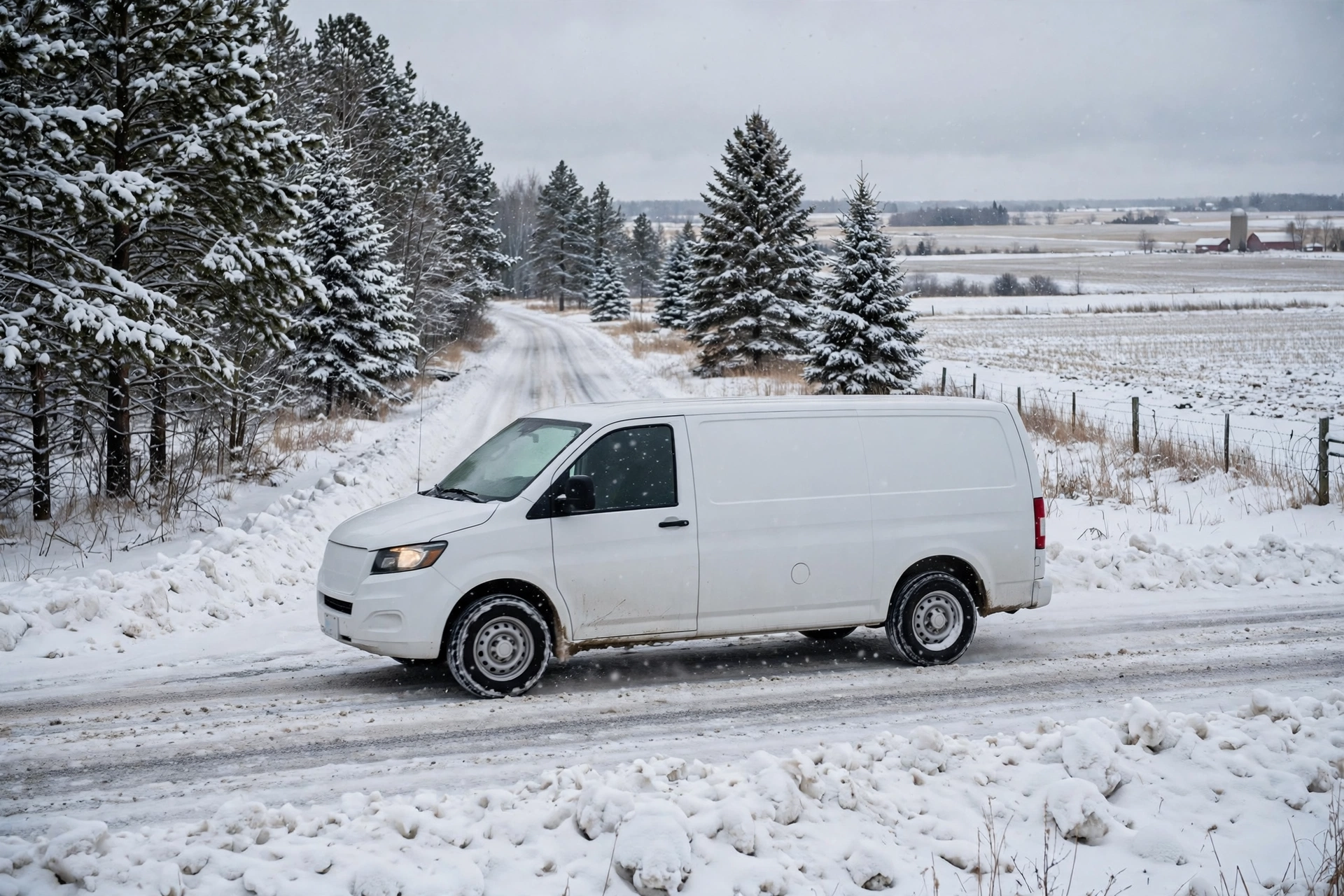
Three things vary most as you leave St. Cloud behind. The first is fuel. Homes on a gas main use gas furnaces, while homes beyond the main rely on propane from a tank, and the two need different checks in deep cold. The second is house age and layout: older homes often have longer duct runs and rooms that were added after the furnace was sized, which is where airflow work earns its keep. The third is building type, from manufactured homes with compact furnaces to small businesses that need heat across a shop floor, and each town page notes which of these patterns fits its homes.
That is also why the smaller places on this page are not treated as afterthoughts. St. Stephen and Collegeville are the smallest communities here — Collegeville is an unincorporated community near St. Joseph, not a city — yet their furnaces face the same January cold as a house in Sartell, and a breakdown there matters just as much. The same holds for Rockville, with its granite-quarry history and the Sauk River running through it, and for Clearwater on the interstate corridor. Size changes the number of homes, not the standard of the work.
Use the cards below to reach your town's page. Each one opens on local detail first — ZIP codes, setting, and the kinds of homes found there — and then moves to the furnace services that fit those homes, with links to the full service list for anything deeper. If you already know what is wrong, you can go straight to the service instead: a cold room points to airflow, a furnace that will not light points to gas or ignition work, and a unit that has stopped entirely is a conversation for the phone rather than a page. The furnace blog is a third route in, with seasonal pieces on cold snaps, vent freeze-ups, and winter strain that explain the why behind the repair.
If your town is not among the fourteen, call or email and ask. These pages mark the towns this site covers in detail, not a boundary on a map, and the quickest answer to whether a visit is possible comes from a short conversation about where you are and what your furnace is doing. When you call, saying your town first helps, because the technician can then picture the kind of home, fuel, and duct layout that usually goes with it — and can ask the questions that matter for your furnace rather than starting from scratch.
Pick your town for its own local furnace page.
A Benton County city across the Mississippi from St. Cloud.
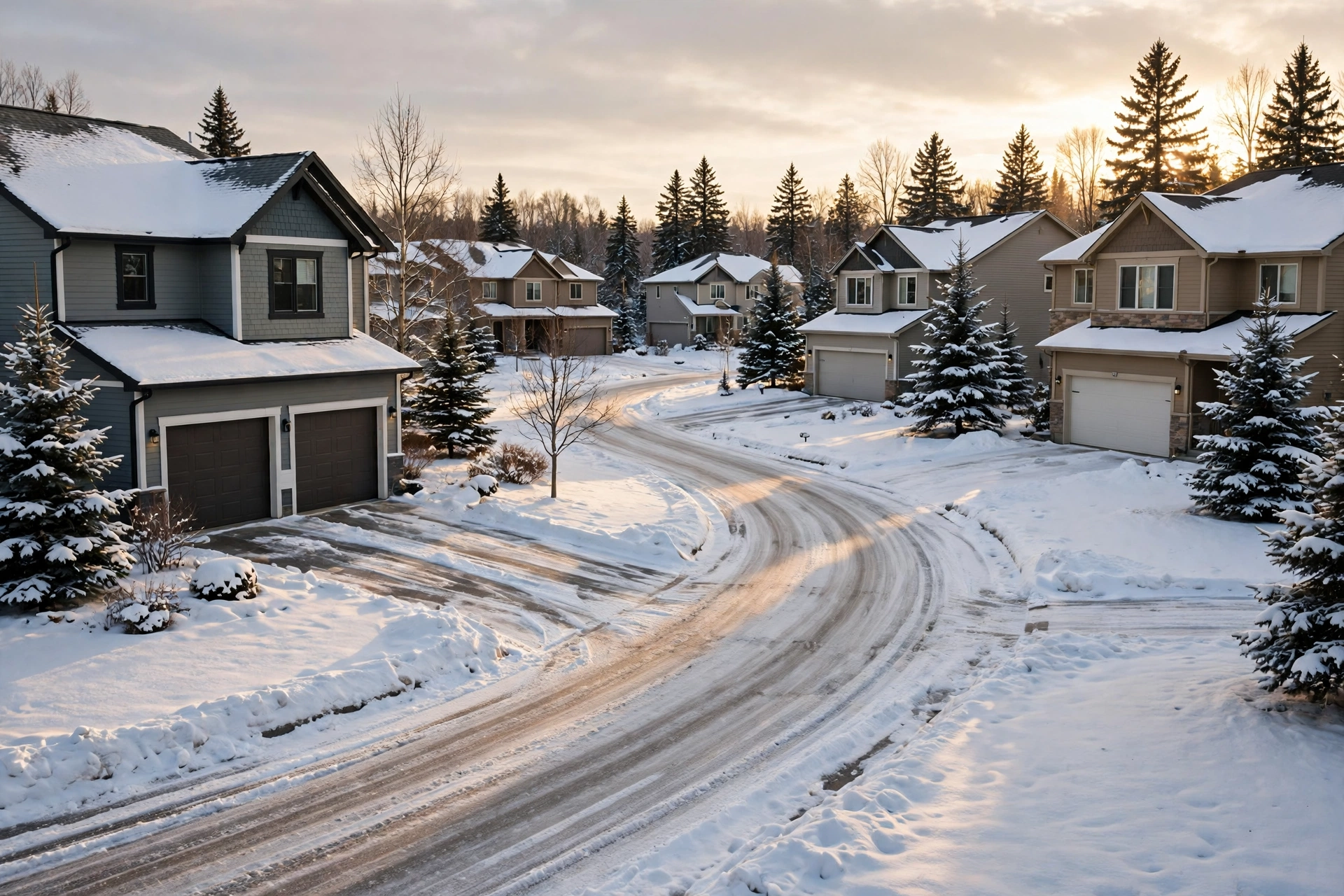
A growing suburb straddling the Mississippi north of St. Cloud.
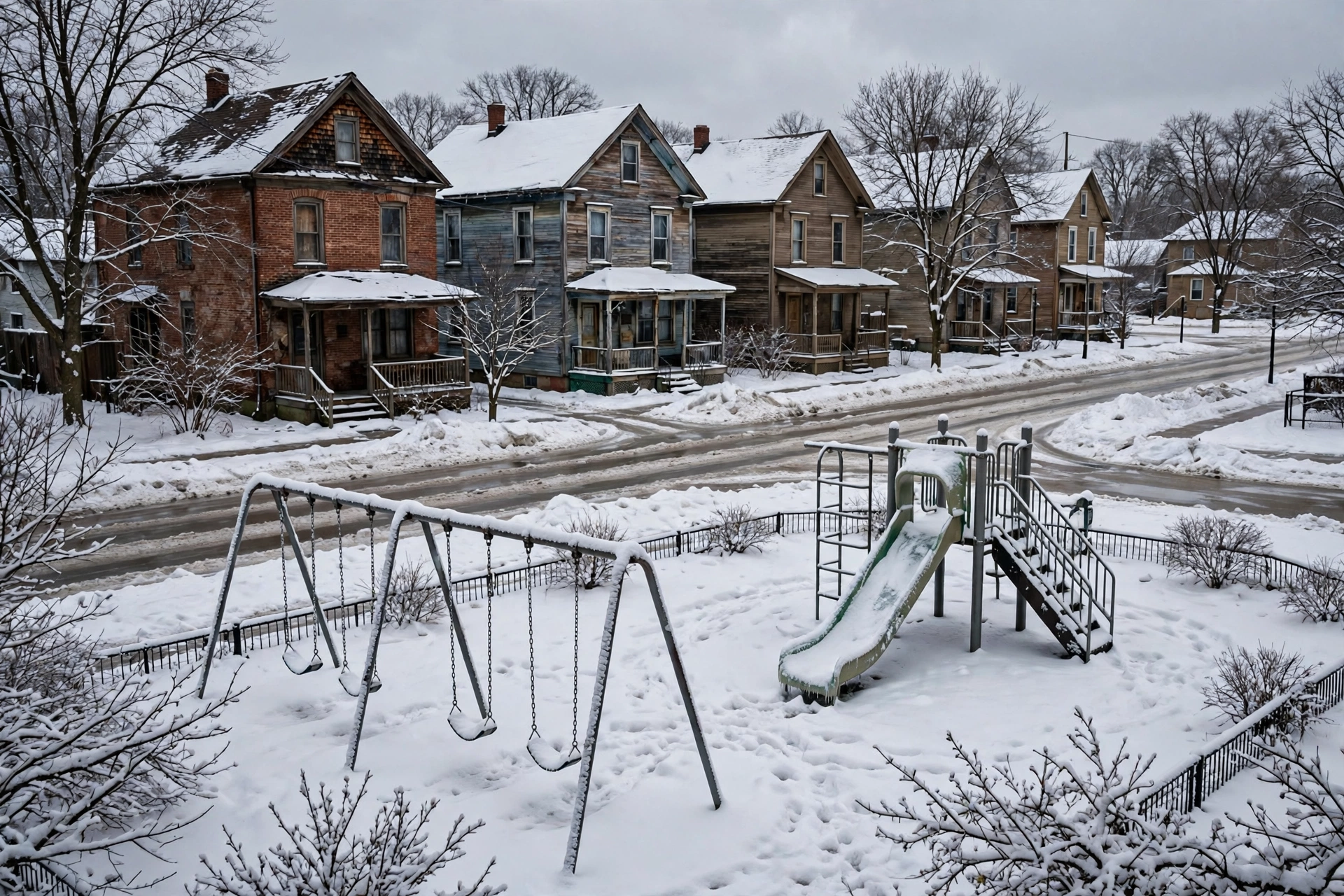
A small city immediately west of St. Cloud.
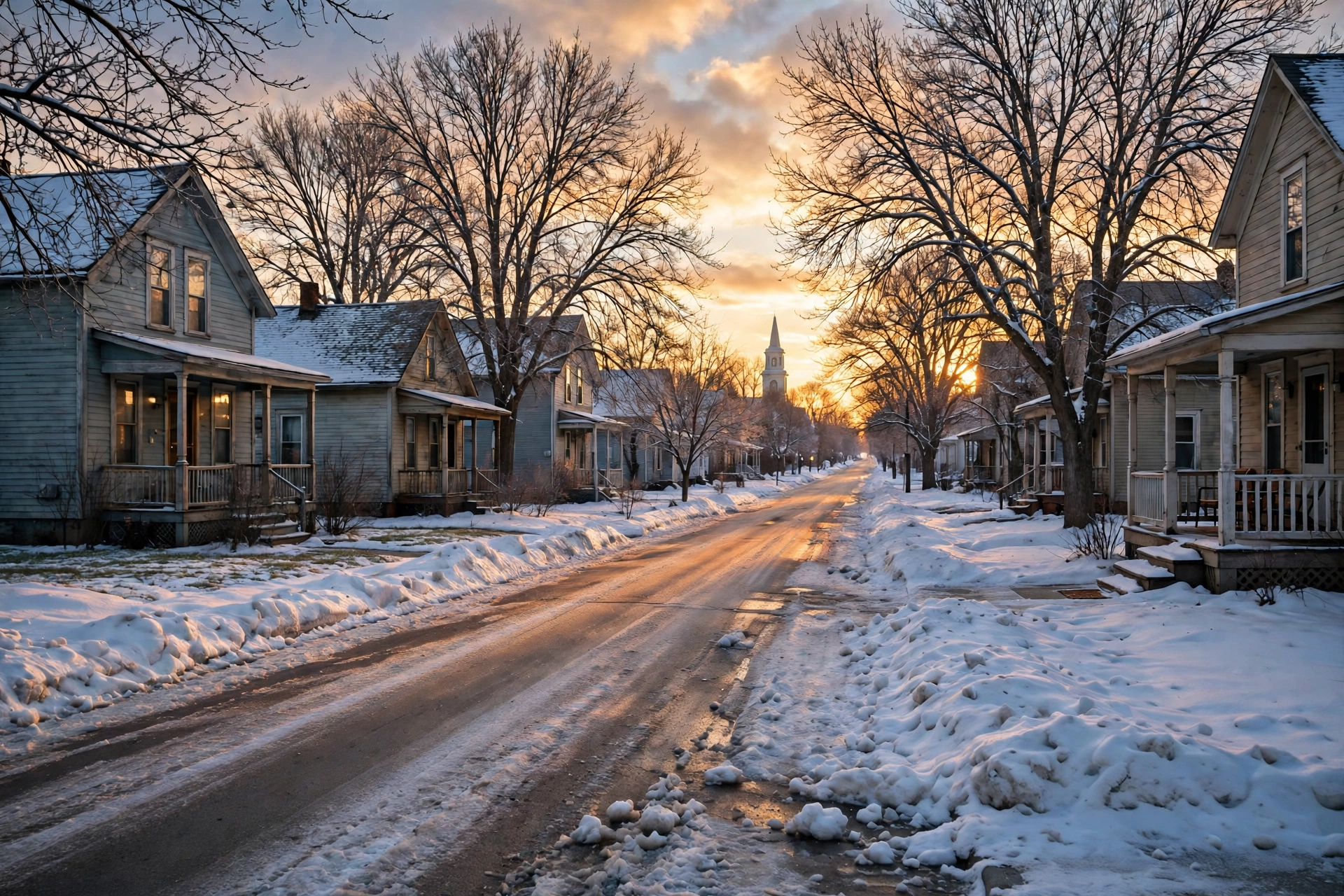
A Stearns County town with a compact downtown and college.
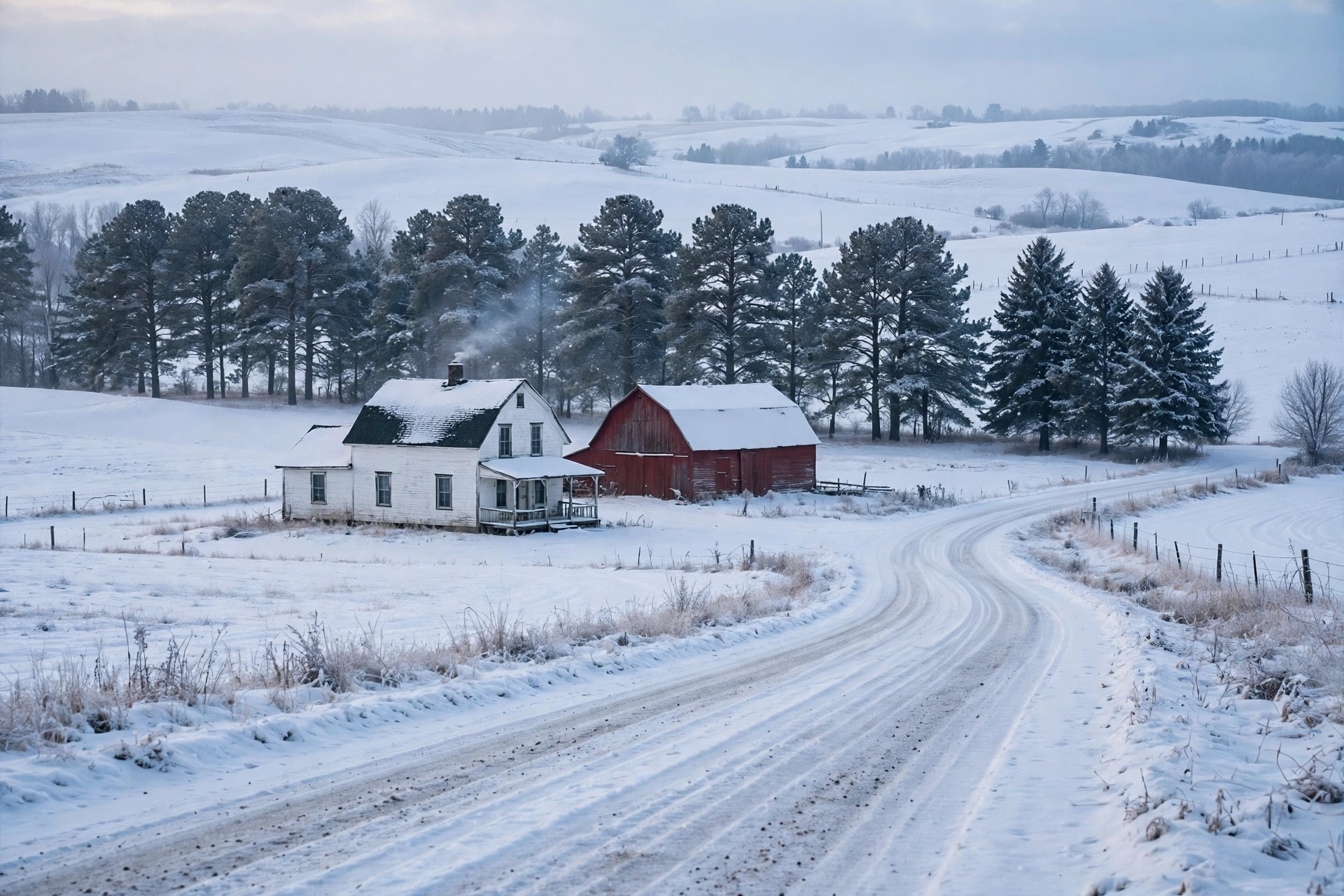
A Stearns County city directly south of St. Cloud.
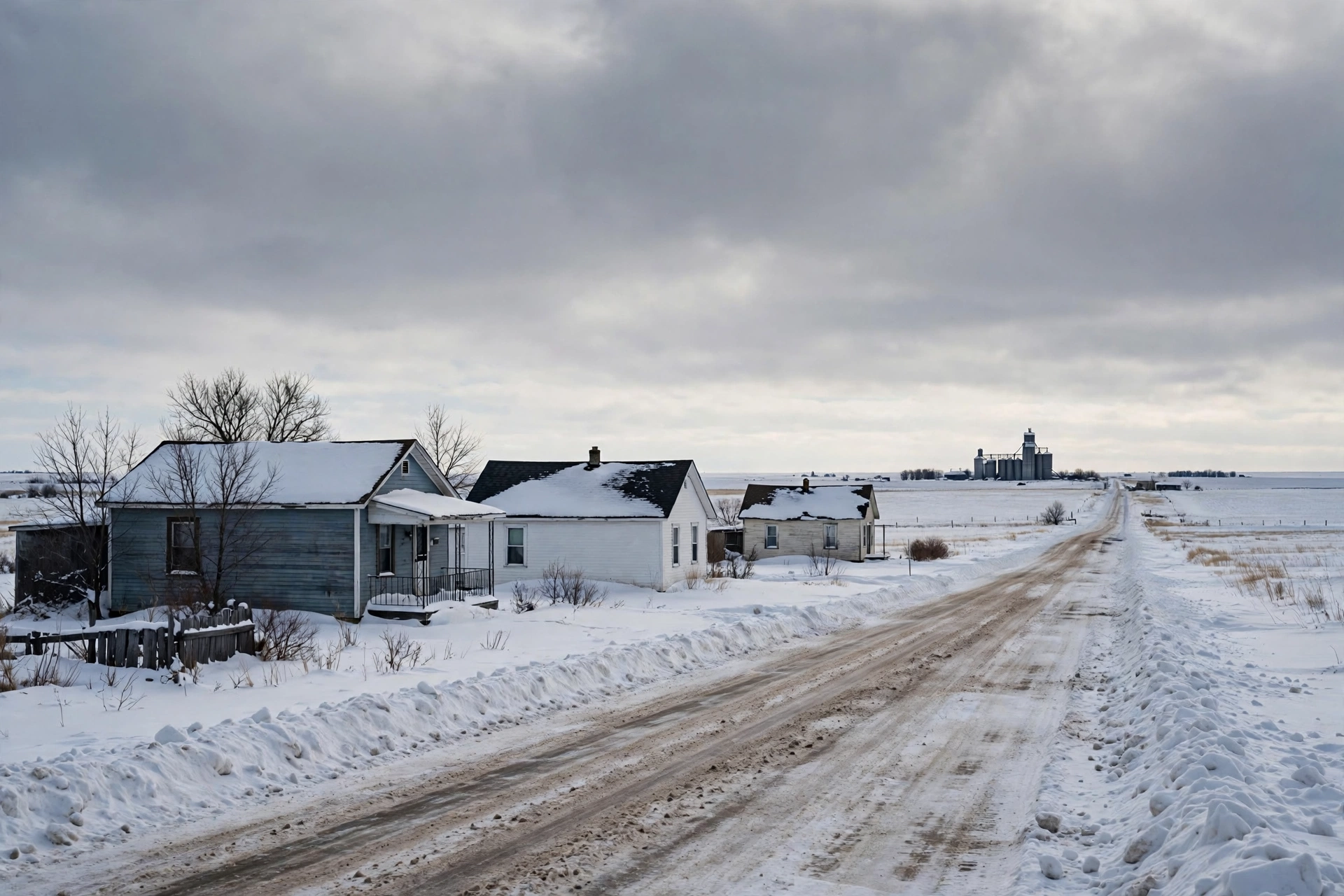
A small Benton County city on the highway north of St. Cloud.
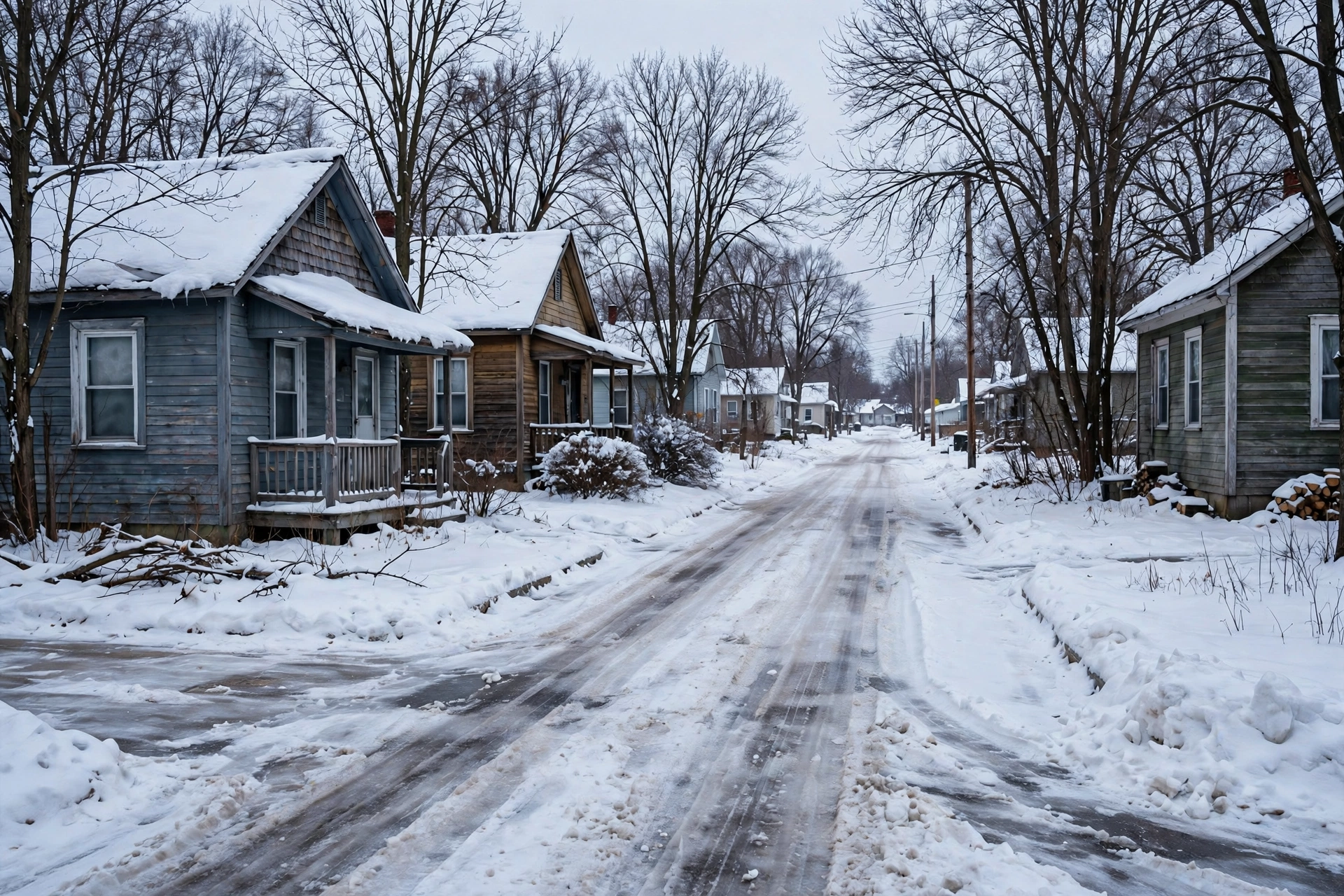
The Benton County seat, east of St. Cloud.
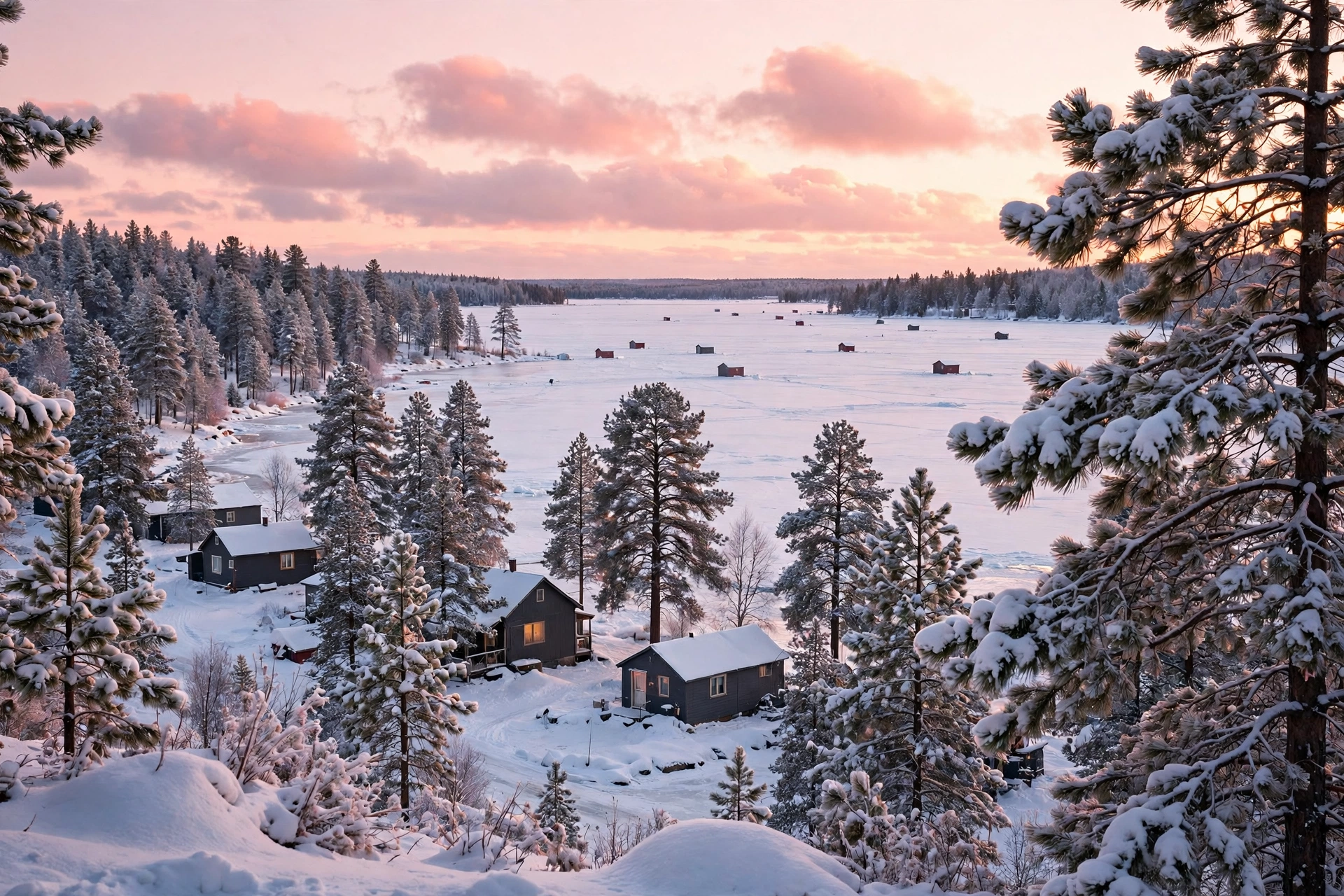
A Stearns County city at the Sauk River Chain of Lakes.
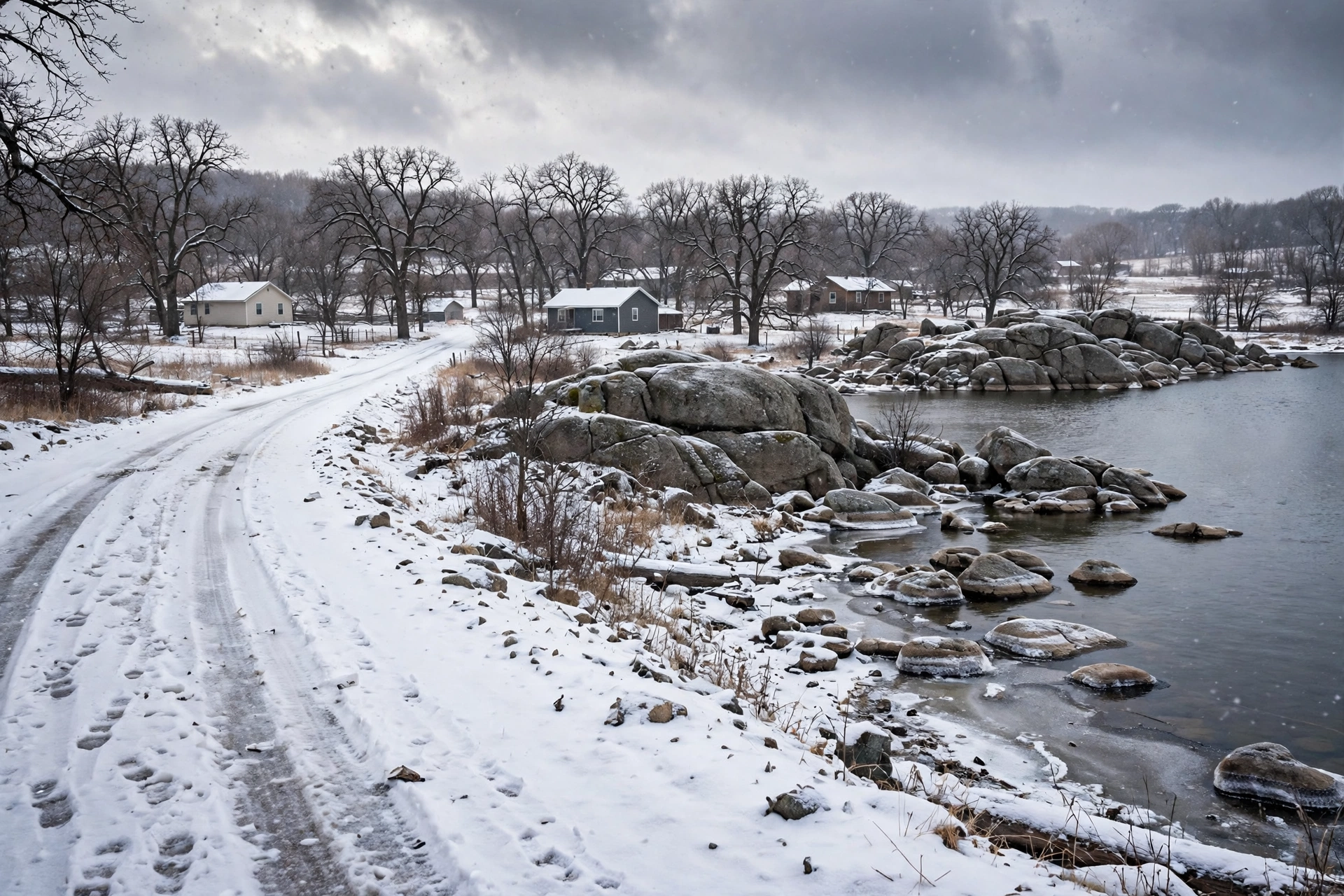
A Stearns County city with granite-quarry history.
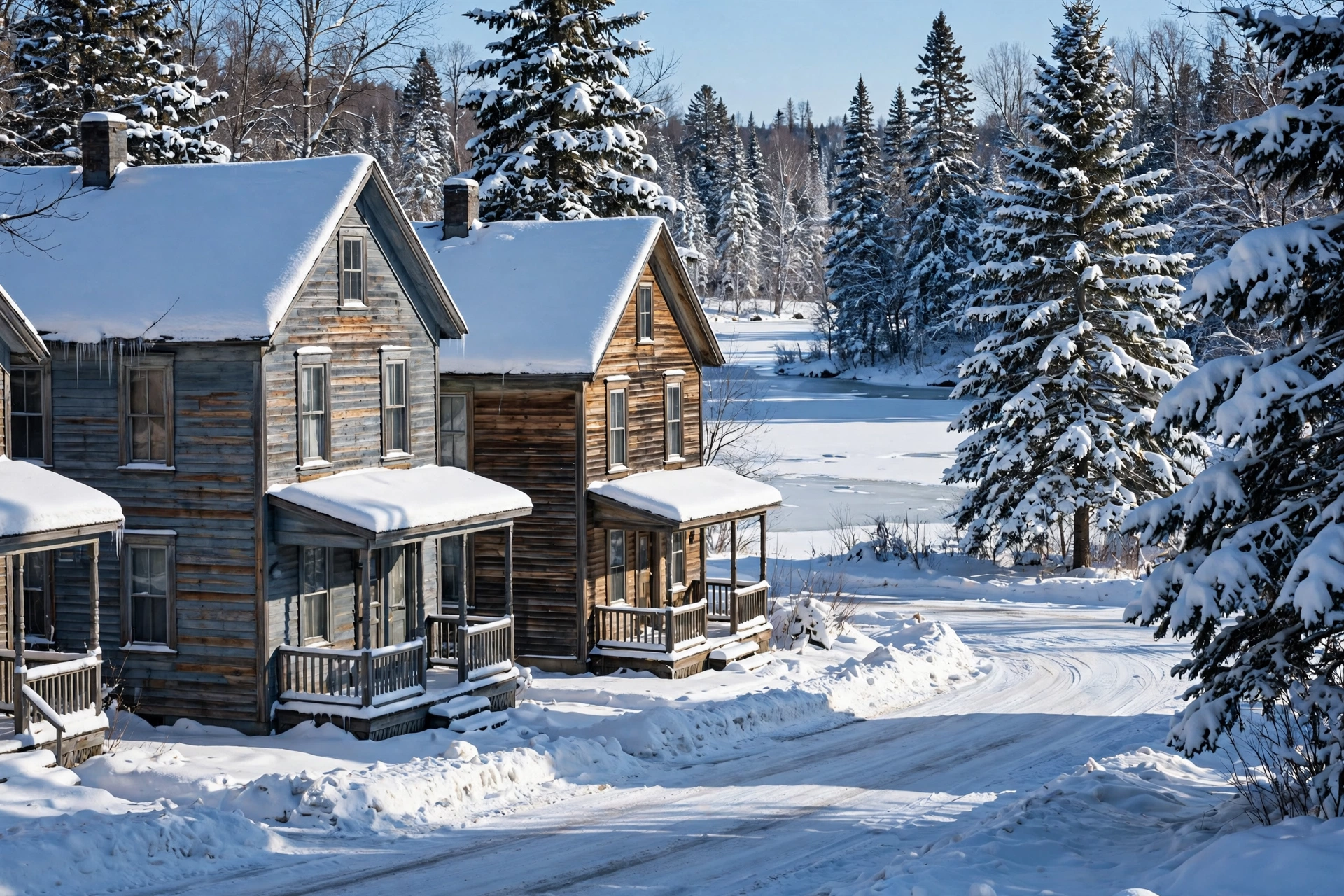
A Stearns County lakes town on the Lake Wobegon Trail.
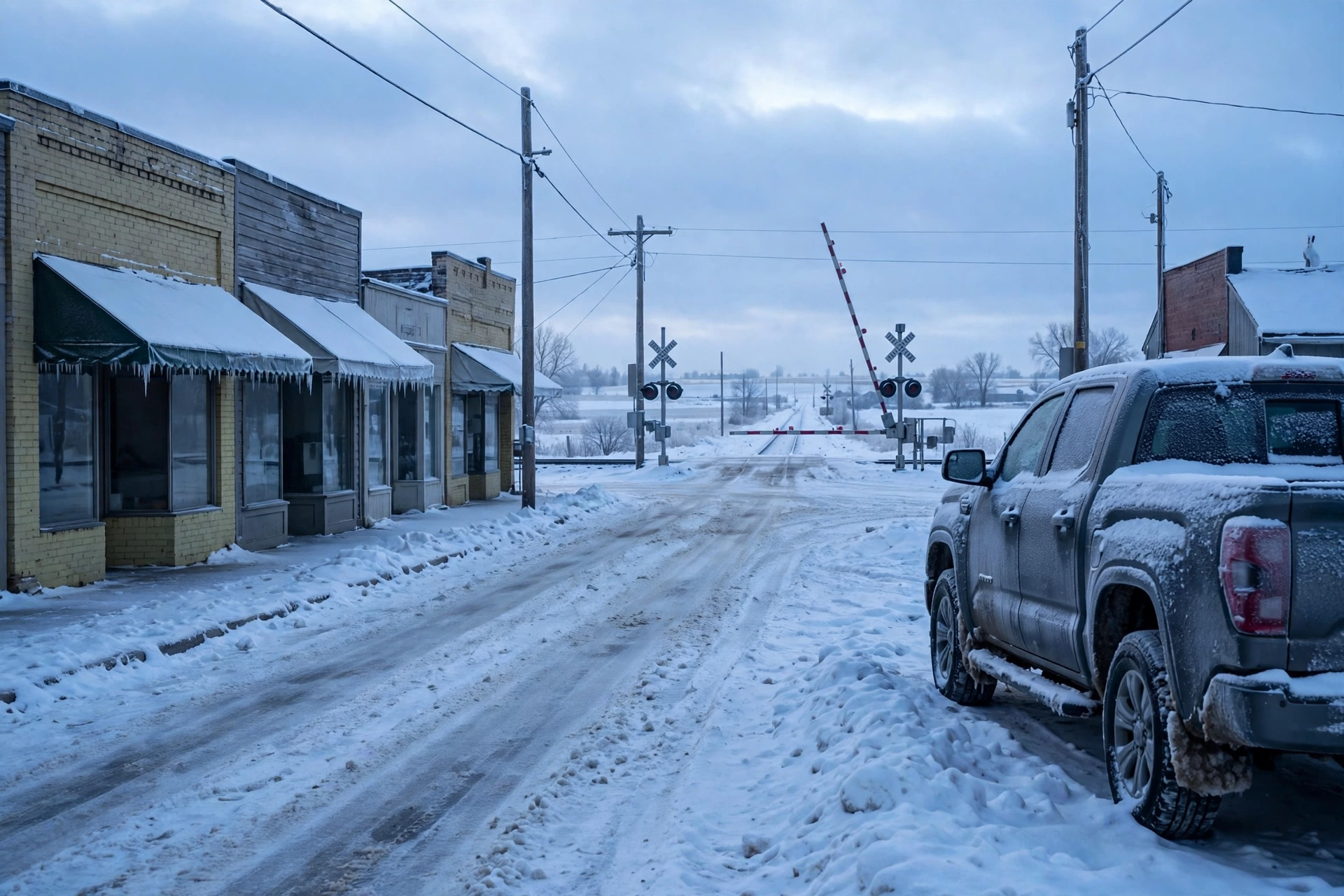
A Stearns County city with a Lake Wobegon Trail trailhead.
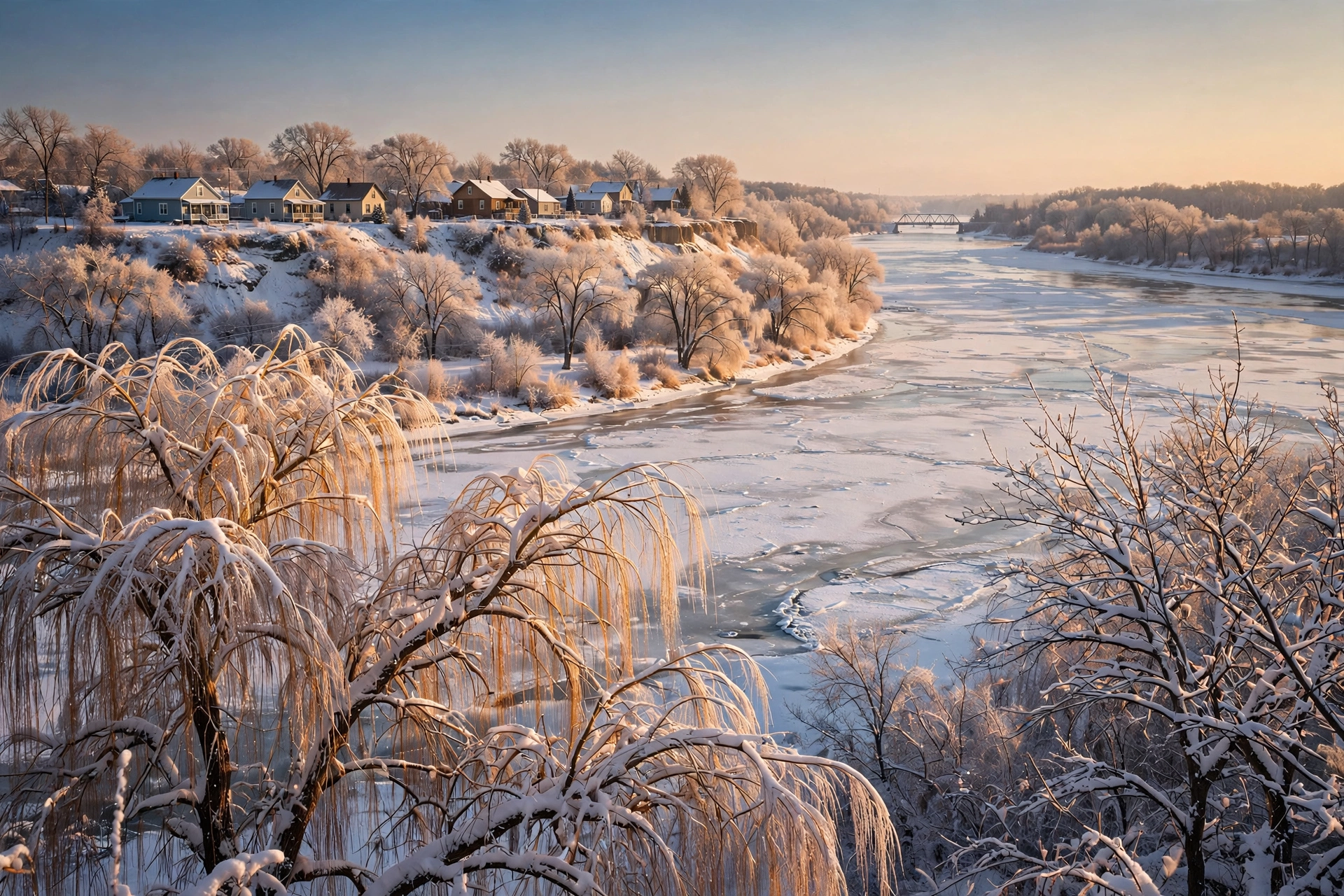
A city between the Mississippi and Clearwater rivers.
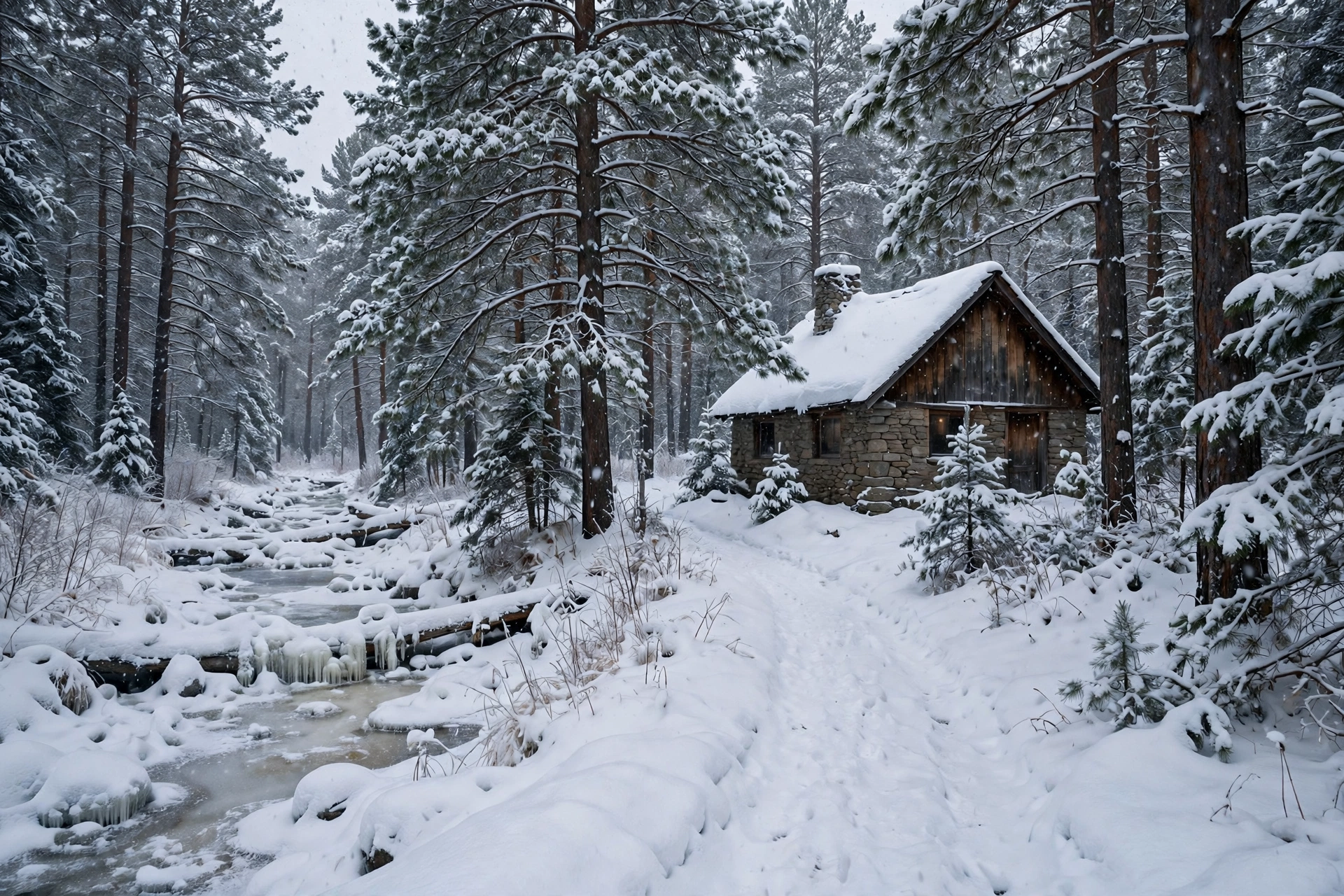
An unincorporated community near St. Joseph.
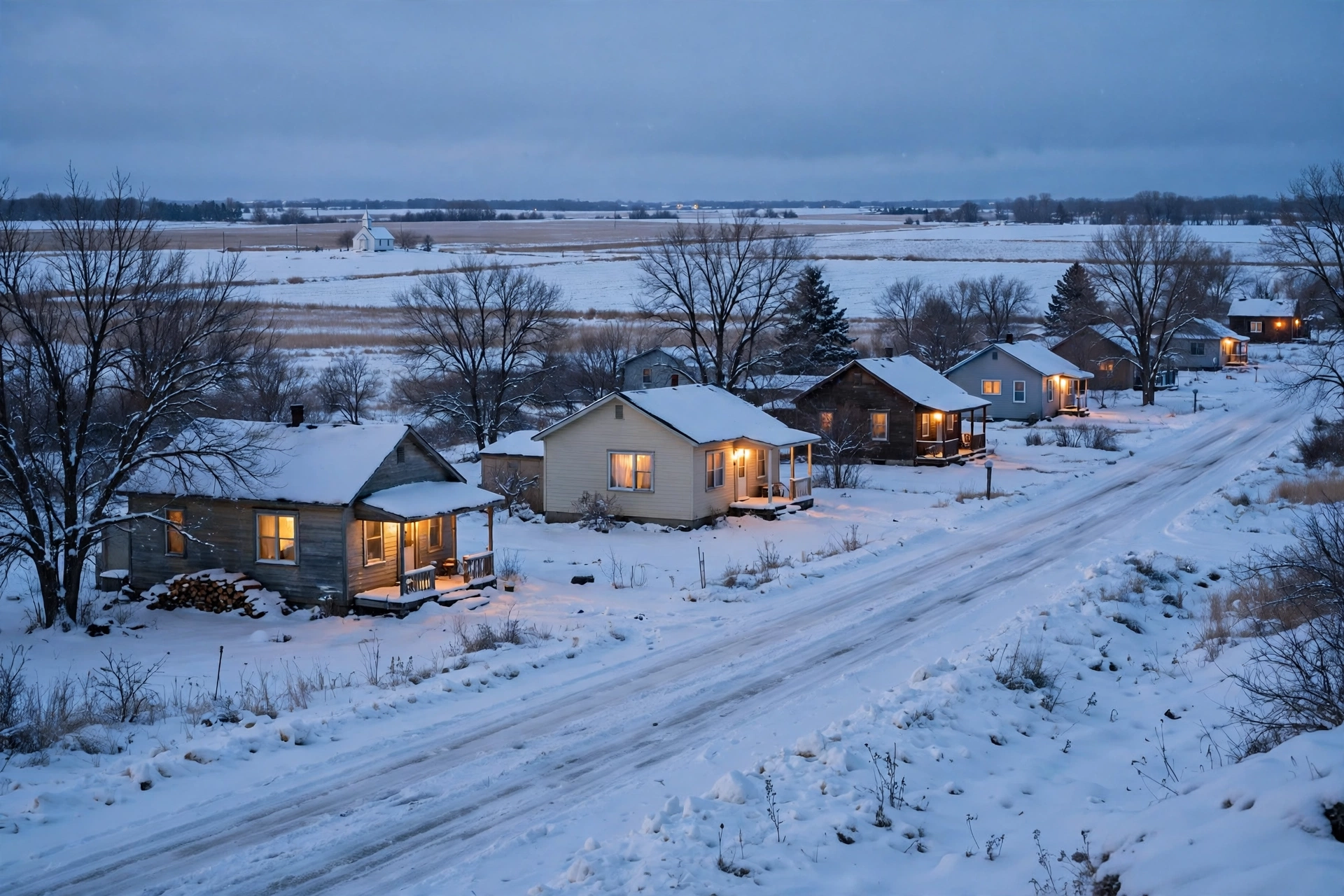
A small Stearns County city in the St. Cloud area.
Every town we serve, with its ZIP and one local note — each note from that town's own page.
| Town | ZIP | Local note |
|---|---|---|
| Sauk Rapids | 56379 | Mississippi–Sauk confluence, east bank opposite St. Cloud |
| Sartell | 56377 | Straddles the Mississippi; St. Cloud's most populous suburb |
| Waite Park | 56387 | Immediately west of St. Cloud, on the Division Street corridor |
| St. Joseph | 56374 | Home to the College of Saint Benedict |
| St. Augusta | 56301 | Directly south of St. Cloud; shares its ZIP |
| Rice | 56367 | Benton County city on U.S. Highway 10 |
| Foley | 56329 | Benton County seat since 1901 |
| Cold Spring | 56320 | Gateway of the Sauk River Chain of Lakes |
| Rockville | 56369 | Granite country, including the Pleasant Lake area |
| Avon | 56310 | Lakes, Loons, Living — home to the Spunk Lakes |
| Albany | 56307 | Lake Wobegon Trail trailhead town |
| Clearwater | 55320 | Between the Mississippi and Clearwater rivers |
| Collegeville | 56321 / 56374 | Unincorporated community by Saint John's University |
| St. Stephen | 56375 | Small city of 797 people at the 2020 census |
Call Quarry Furnace Co. about your furnace — repair, replacement, and tune-ups in St. Cloud and the towns around it.
(320) 389-8174Straight answers about towns, pages, and coverage.
We serve St. Cloud and fourteen nearby towns: Sauk Rapids, Sartell, Waite Park, St. Joseph, St. Augusta, Rice, Foley, Cold Spring, Rockville, Avon, Albany, Clearwater, Collegeville, and St. Stephen. St. Cloud itself is covered from the homepage, and each town above has its own page on this site.
St. Cloud is our home city, so the homepage covers it in full, including its neighbourhoods and ZIP codes. Giving it a second, separate town page would only repeat the same information. The town pages here are for the communities around St. Cloud, each with its own local detail.
The furnace itself does not change, but the home around it often does. Smaller towns and rural roads bring more propane furnaces, more older homes with long duct runs, and more manufactured homes. A technician who knows those patterns asks better questions and checks the right parts first.
Each town page carries that town's own ZIP codes and, where a sourced list exists, its neighbourhoods. Small towns without a sourced neighbourhood list get plain street, river, and landmark descriptions instead, so nothing on the page is invented. The heating advice on each page is then tied to the kinds of homes found there.
Yes, call and ask. The fourteen towns on this page are the ones with their own pages on this site, not a hard boundary drawn on a map. A short conversation about where you are and what your furnace is doing is the quickest way to find out whether a visit is possible.
Use the cards above and pick your town's name. Each card links to that town's own page, where you will find its local detail and the furnace services that fit its homes. If you are in St. Cloud itself, the homepage is your page.