St. Cloud, Minnesota(320) 389-8174info@furnacerepairsaintcloudmn.com823 1st St S, St Cloud, MN 56301, USA
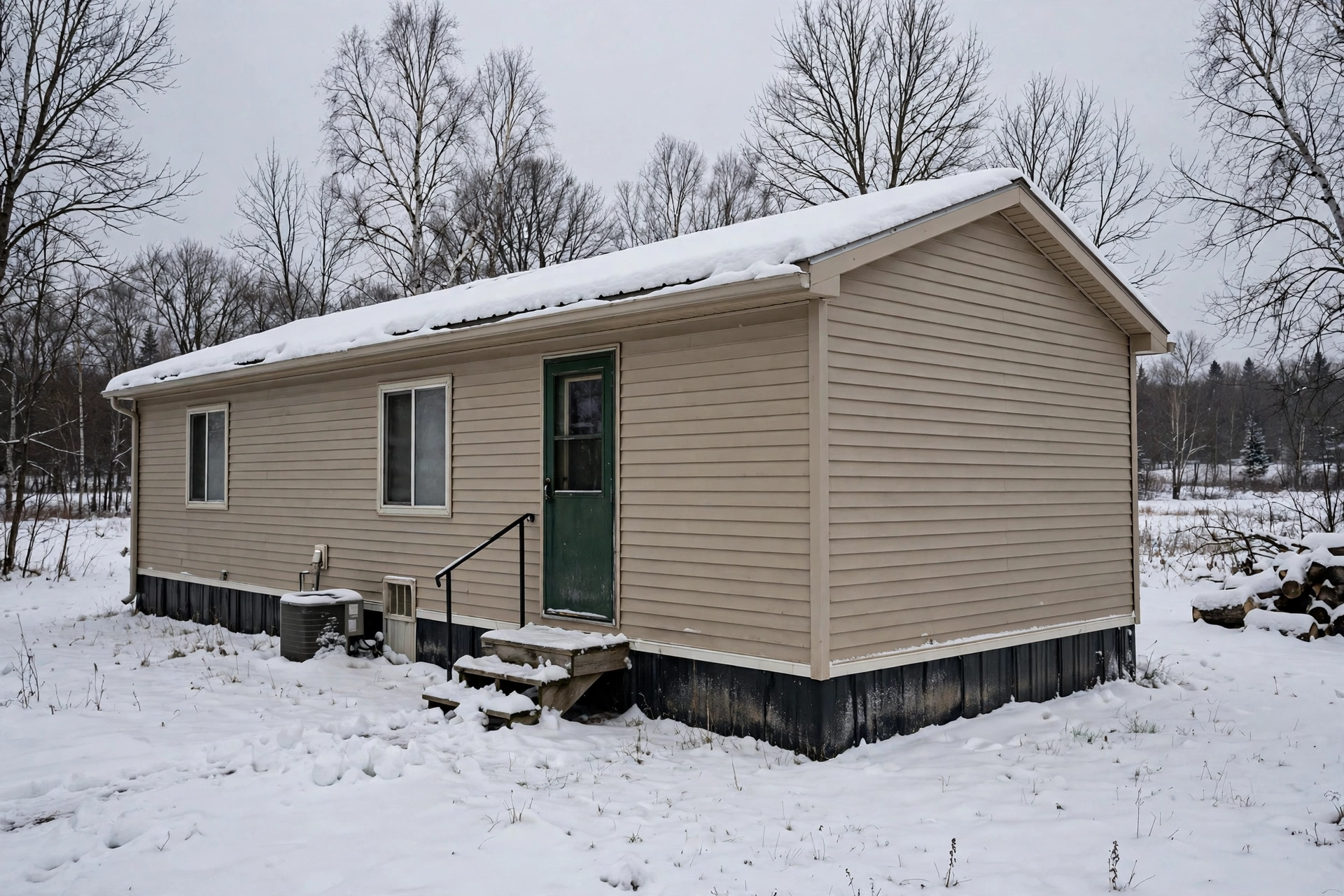
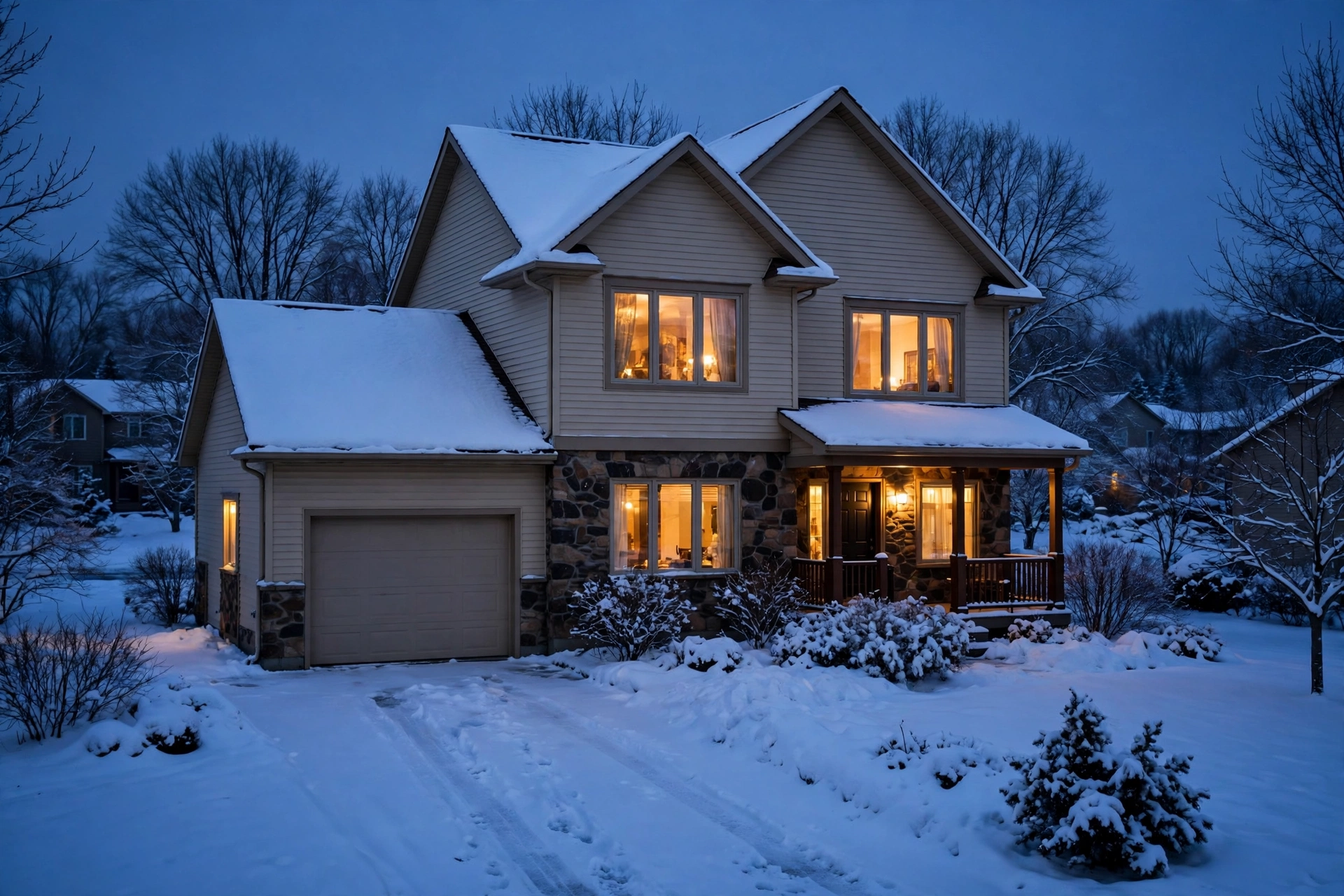
A snow-covered St. Cloud home at dusk with warm light glowing in its windows
Furnace Services · St. Cloud, Minnesota

Furnace Repair in St. Cloud, Minnesota

When the heat stops in a Minnesota winter, you need a furnace team that knows St. Cloud homes, St. Cloud weather, and the furnaces inside them. We repair, replace, and look after furnaces across the city and the towns around it.

Call (320) 389-8174Our Services

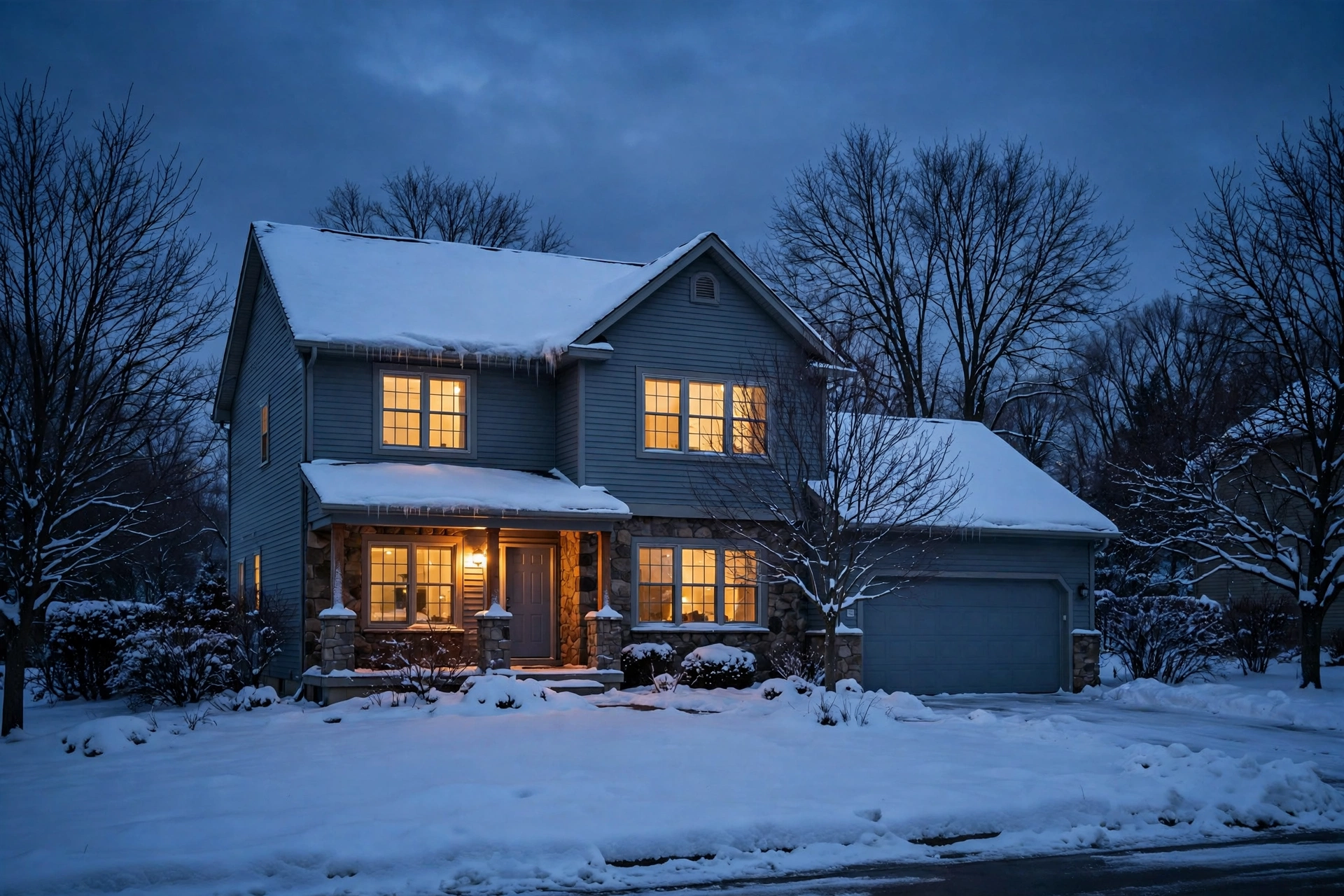
A snow-covered St. Cloud home at dusk with warm light glowing in its windows

Heat That Holds Through a St. Cloud Winter

St. Cloud winters do not forgive a weak furnace. Under the current 1991–2020 normals published by St. Cloud State University, the January mean temperature here is 11.8°F, and the heating season runs roughly from October through April. A furnace that copes in November can still struggle in January, when long cold stretches keep it running for hours at a time and expose every weak point: a tired blower, a dirty filter, a vent choked with frost, or a burner that lights unevenly. That is why furnace repair in St. Cloud starts with the whole system, not just the symptom that made you call.

We are based at 823 1st St S, St Cloud, MN 56301, USA, in a city shaped by the Mississippi and Sauk rivers and by granite quarrying that began in the 1860s. The homes here range from older houses near Downtown and the Southside Historic District to newer builds on the edges of the city, and their furnaces vary just as much. Some run on natural gas, some on electricity, and some on propane brought in by tank, especially outside the city mains. A St. Cloud furnace repair visit therefore begins with questions about fuel type, furnace age, and what the unit is actually doing — short cycling, blowing cold air, making a new noise, or not starting at all — because the same symptom can have a different cause in each kind of system.

Furnace Work Only

We work on furnaces and the parts of the home heating system tied to them — controls, airflow, and venting — rather than spreading across unrelated trades.

Based in St. Cloud

Our base is in St. Cloud, and this homepage carries the city's own neighbourhoods and ZIP codes. Each nearby town has its own page with its own local detail.

Talk First, Then Work

A technician talks through what was found and what the work would change before anything starts, so you agree the plan before a tool comes out.

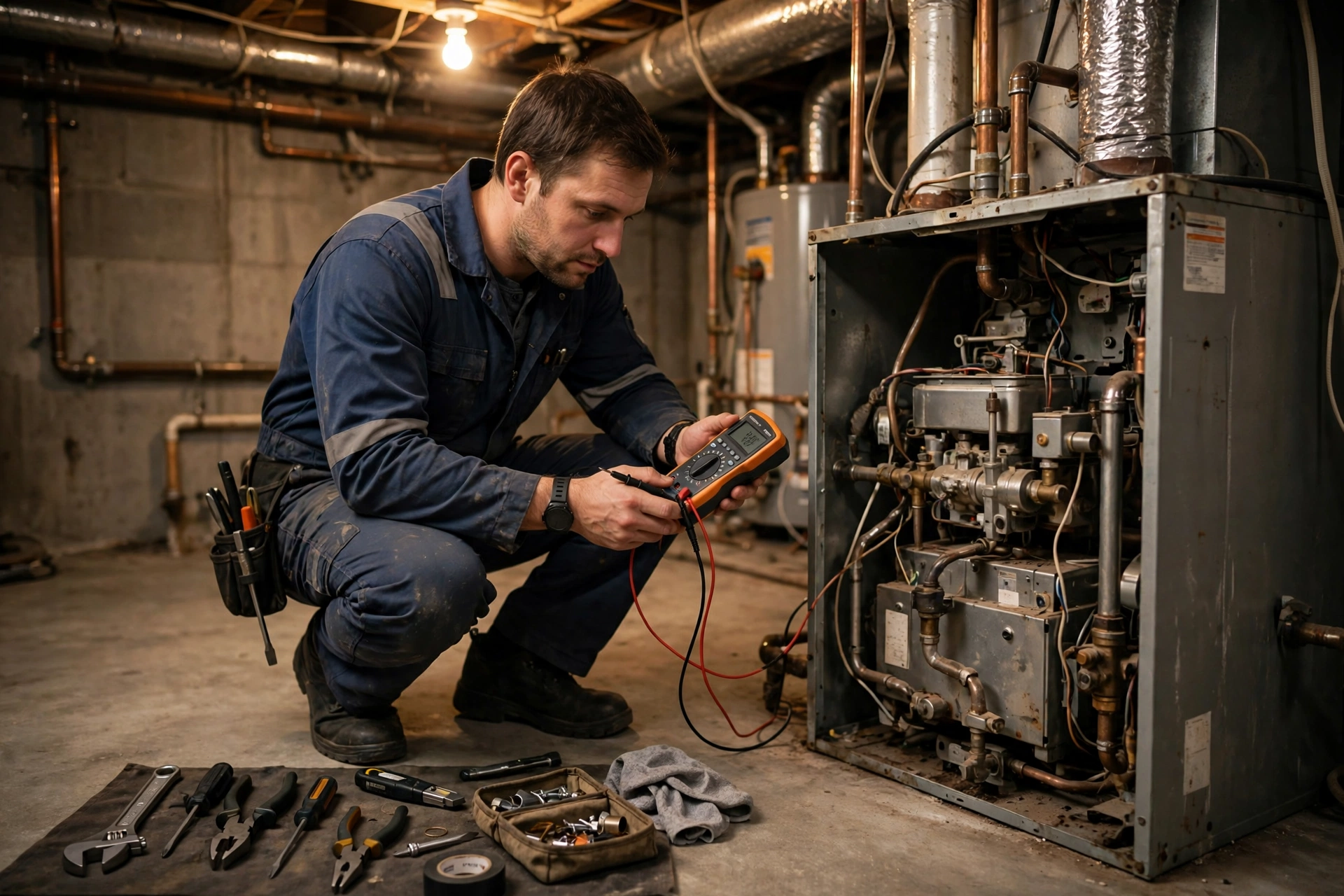
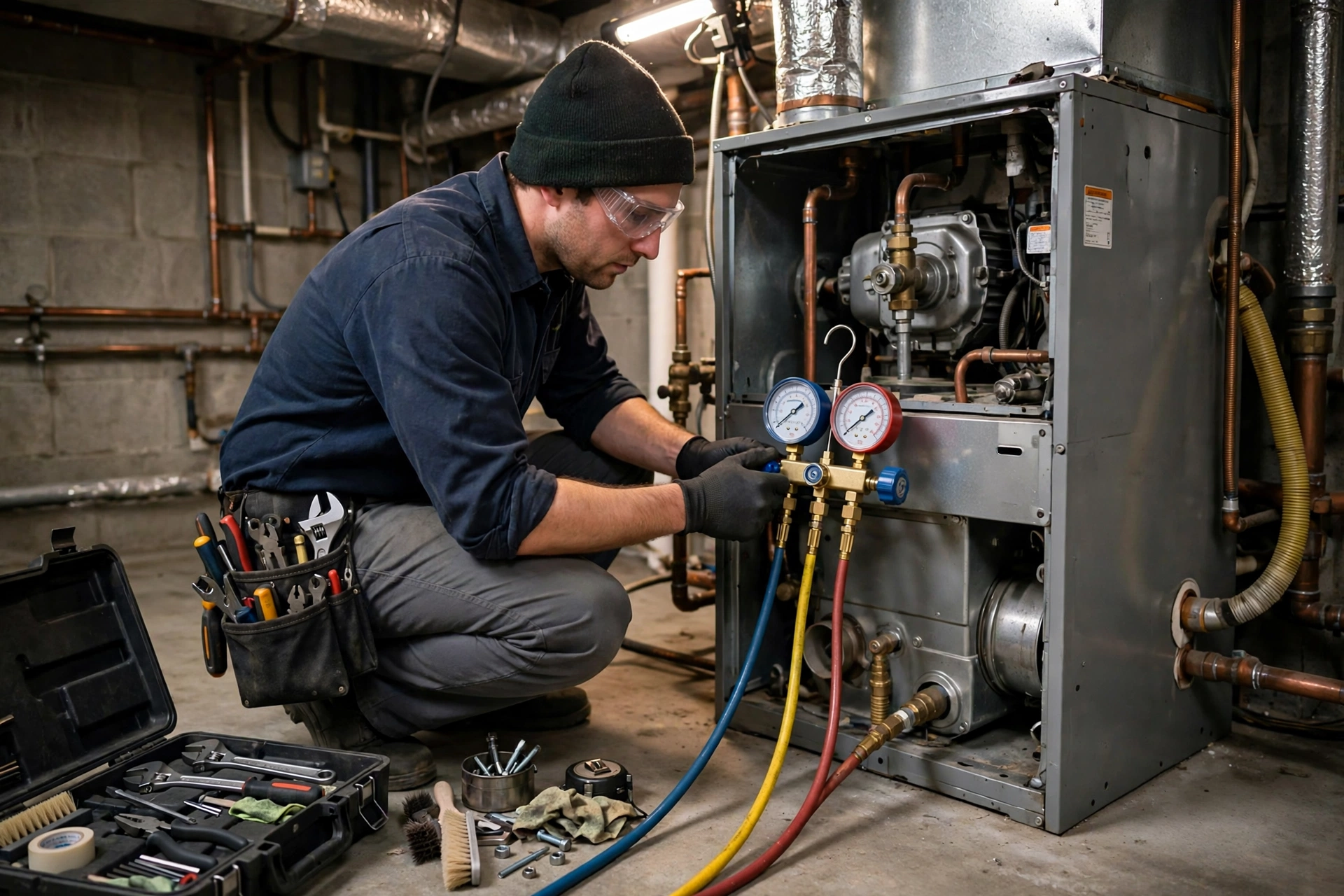
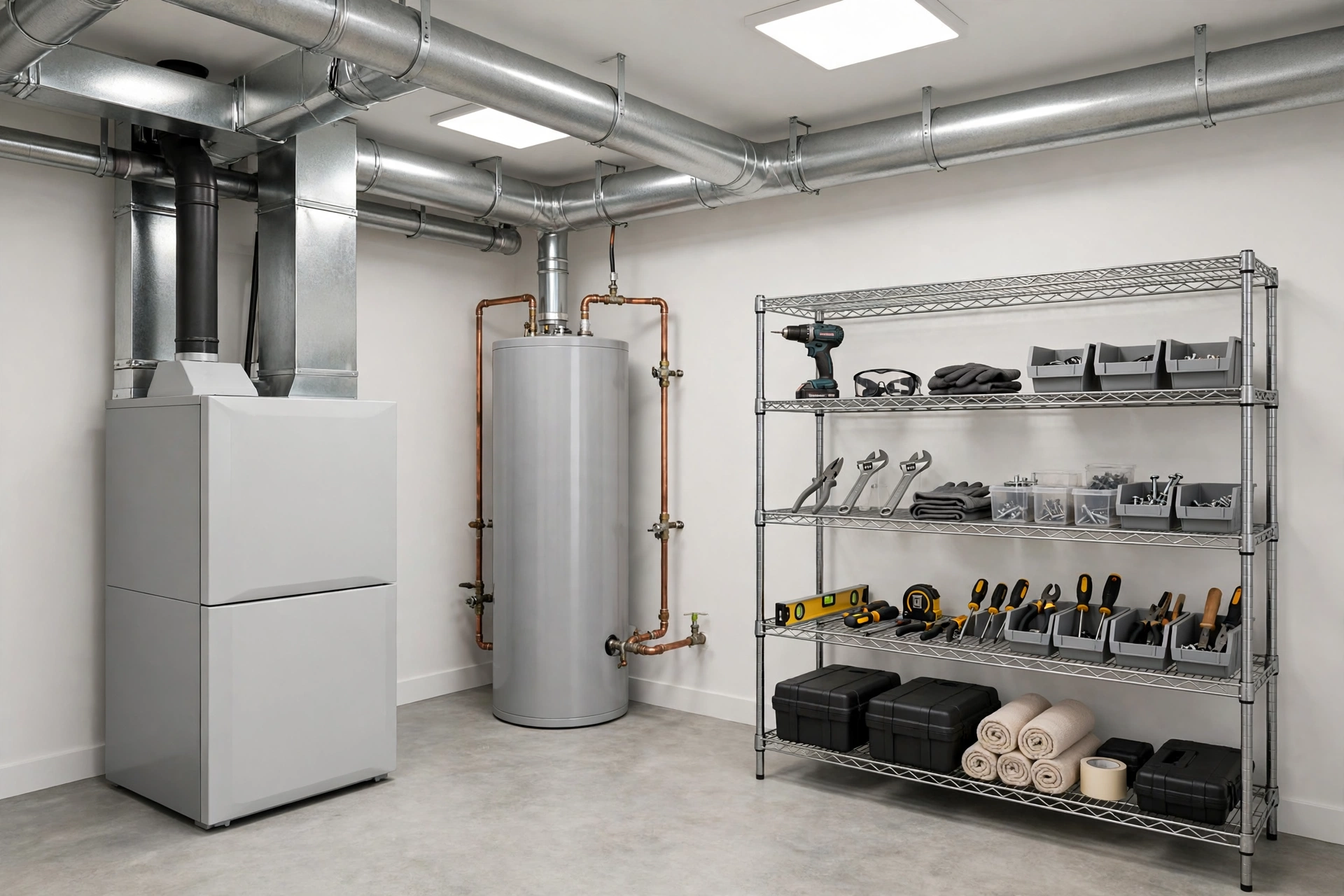
A technician testing a home furnace with a meter in a basement utility room

What Furnace Repair Means Here

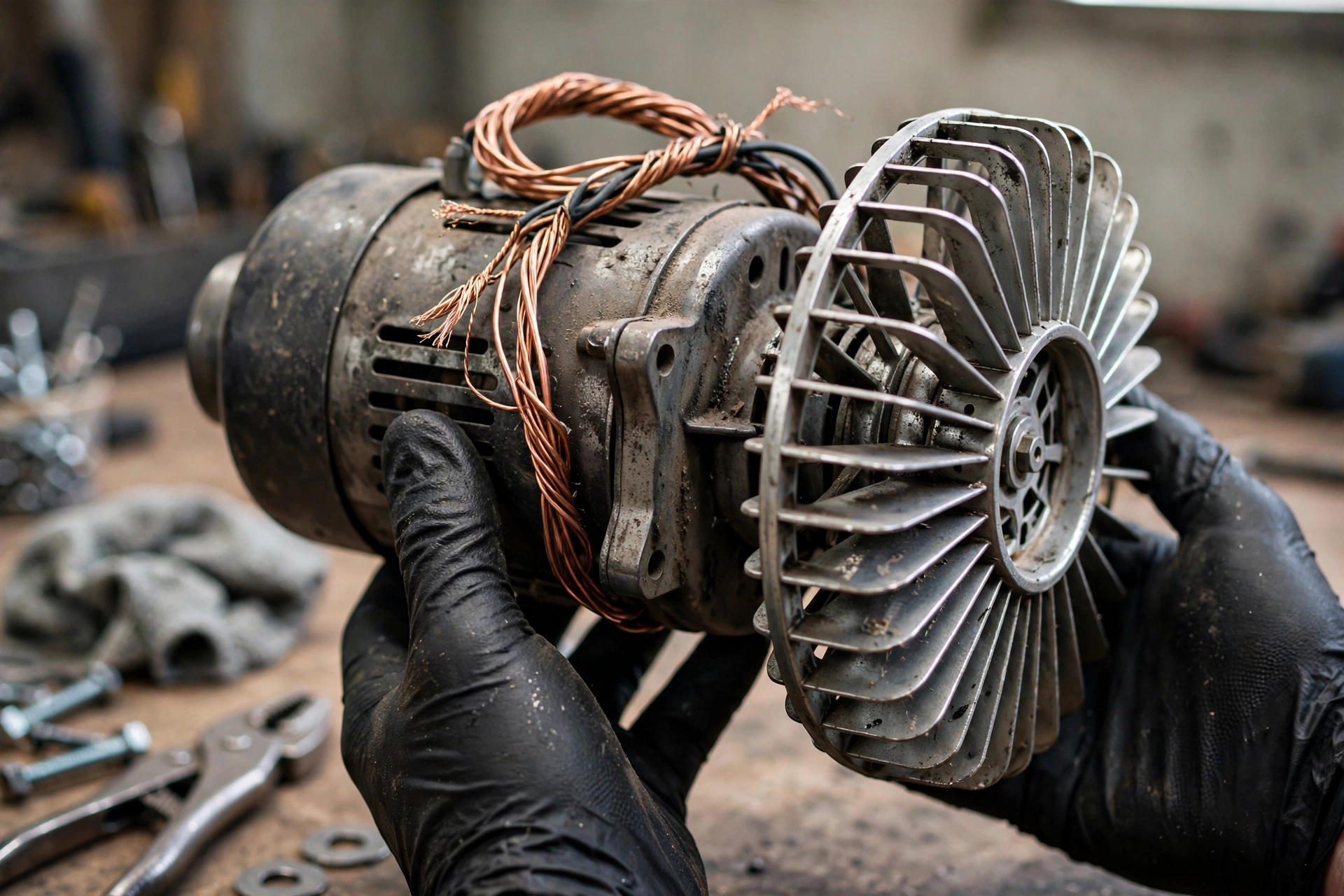
Good repair work is diagnosis before replacement of parts. On a visit, a technician inspects the furnace cabinet, checks the heat exchanger for cracks and soot, watches the ignition sequence, and tests the flame sensor, gas valve, control board, limit switch, and thermostat. A manometer measures gas pressure and vent draft, a multimeter checks motors and controls for correct voltage and continuity, and an infrared thermometer reads temperature rise across the heat exchanger. Those readings separate a genuine part failure from a condition problem, such as restricted airflow from a clogged filter, a blocked return vent, or ductwork leaking heated air into an unheated space.

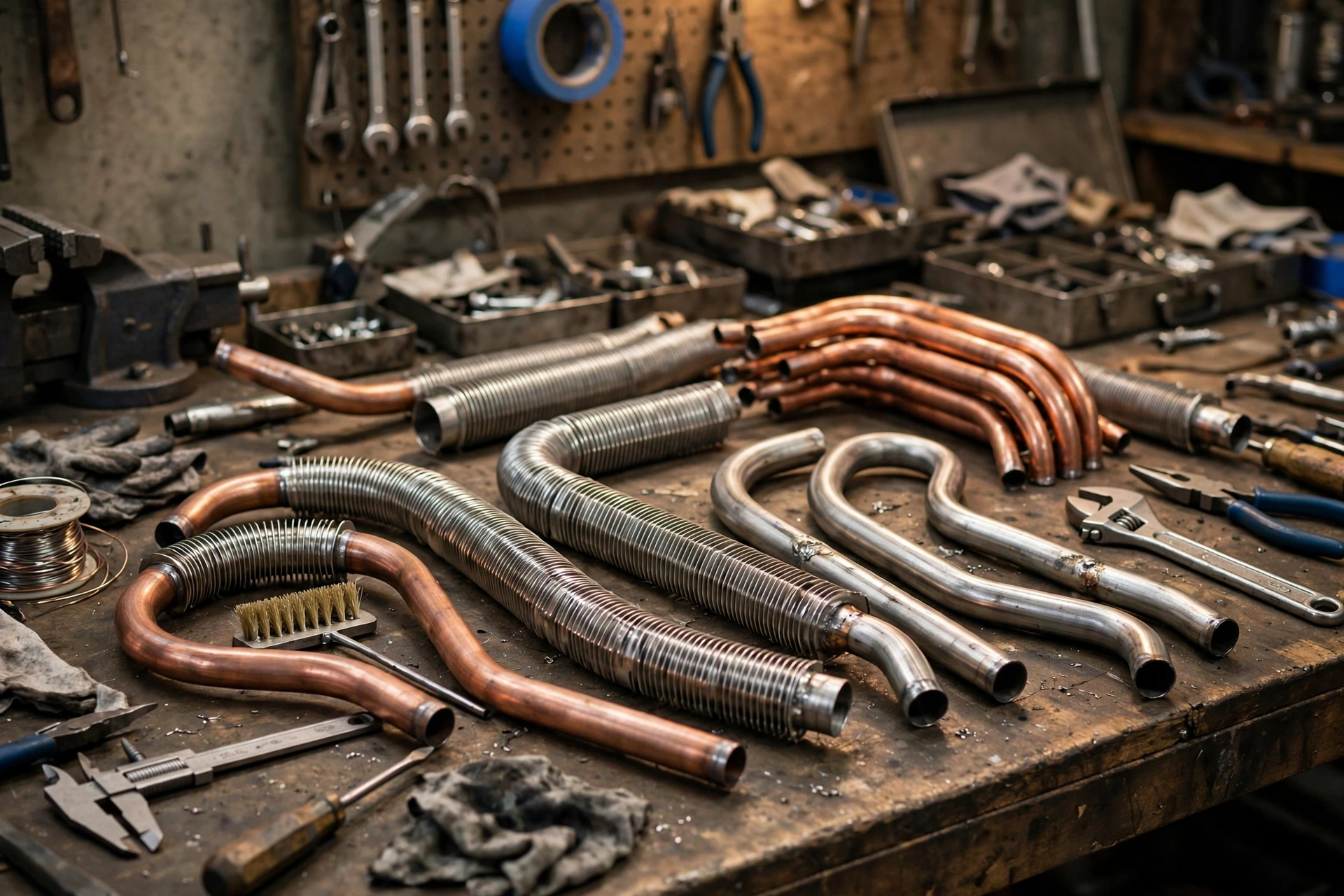
Common causes we trace include ignition failure from a worn igniter or a dirty flame sensor, short cycling from an overheating limit switch or a blocked filter, cold rooms from duct leakage or a failing blower motor, and shutdowns from a blocked condensate drain or a vent pipe iced over at the outside terminal. On gas furnaces, venting and combustion air matter as much as the burner itself: a vent that cannot draw properly can spill exhaust indoors, which is why carbon monoxide alarms belong in every home with a fuel-burning furnace and why venting checks follow the manufacturer's instructions and applicable Minnesota building and fuel-gas requirements for clearances, vent materials, and combustion air. Sheet metal ductwork, galvanized steel vent pipe, PVC venting on high-efficiency units, copper gas piping, and fiberglass filter media all age differently, and the repair has to suit the material in front of us, not a generic fix.

Sometimes the honest answer is not a repair. If a heat exchanger is cracked, if breakdowns keep returning, or if the furnace can no longer heat the home evenly, replacement may serve the home better than another repair. Our furnace installation and replacement page explains how sizing, ductwork, and venting are worked through for a new unit, so the repair-or-replace conversation on this page stays grounded in what your home actually needs.
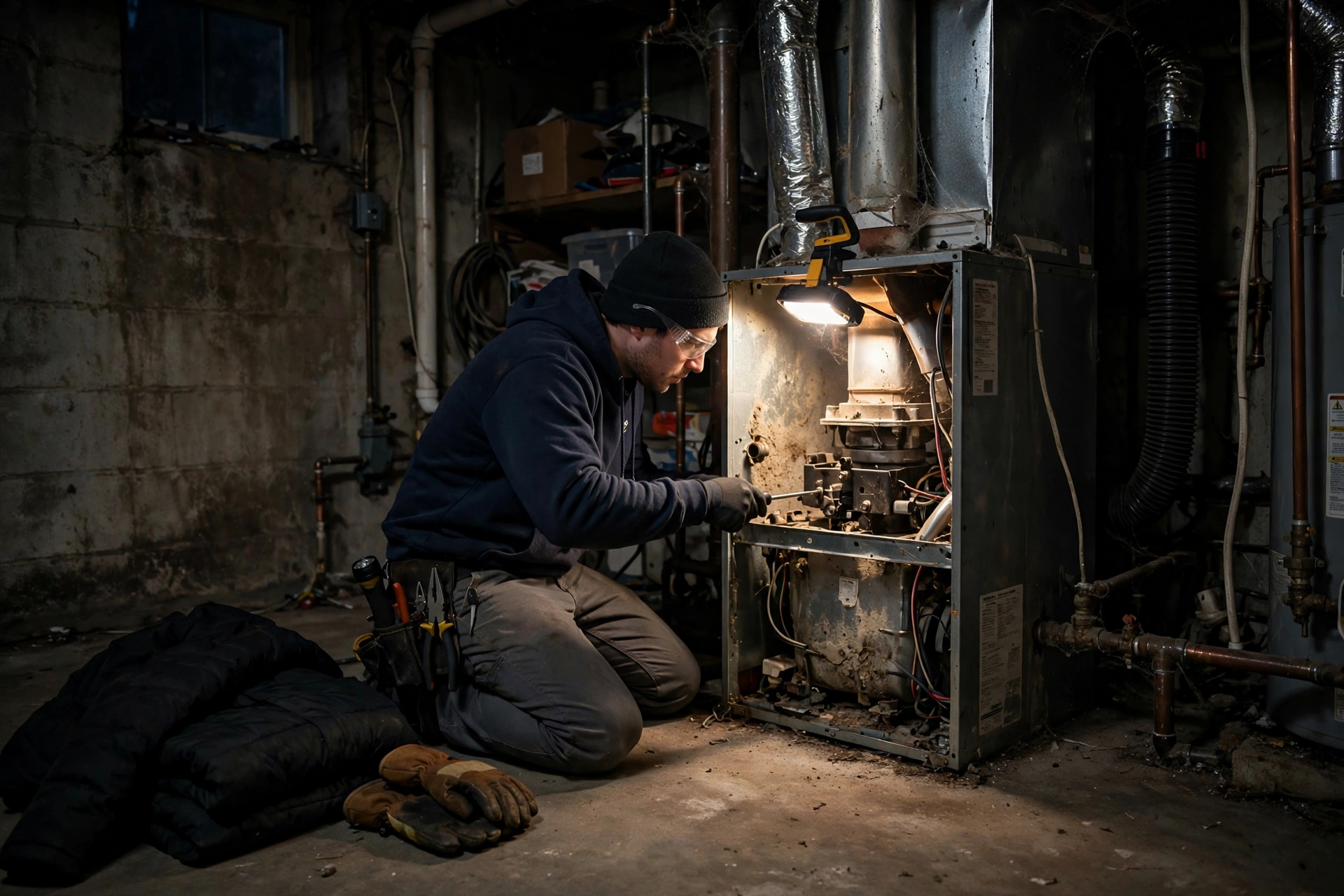
A technician repairing a home furnace by work light at night

When the Furnace Stops on a Cold Night

Emergency furnace repair in St. Cloud is this page's job too — there is no separate emergency page, because a breakdown in January is part of what furnace repair in St. Cloud means. If your furnace stops heating, call (320) 389-8174 and tell us what the unit is doing: whether it tries to start and fails, whether it runs but blows cold air, whether a new smell or noise appeared, and what the thermostat shows. That description shapes the first questions a technician asks and the checks that come first on arrival.

While you wait to talk to a technician, a few safe checks help: make sure the thermostat is set to heat and above the room temperature, look at the filter and change it if it is visibly clogged, clear snow and ice from outside vent terminals, and keep interior doors open so any warmth spreads. If you smell gas, leave the home and call your gas utility and emergency services from outside — do not relight anything yourself. If a carbon monoxide alarm sounds, get everyone outside and call emergency services. Those two steps come before any furnace troubleshooting, every time.

On an emergency visit the sequence is the same as any repair, only the stakes are higher: find the fault, explain it plainly, agree the work, and test the furnace through a full heating cycle before leaving — checking temperature rise, airflow at the registers, and that safety controls shut the burner down as they should. A furnace that runs again but has not been tested through a full cycle has not finished being repaired.

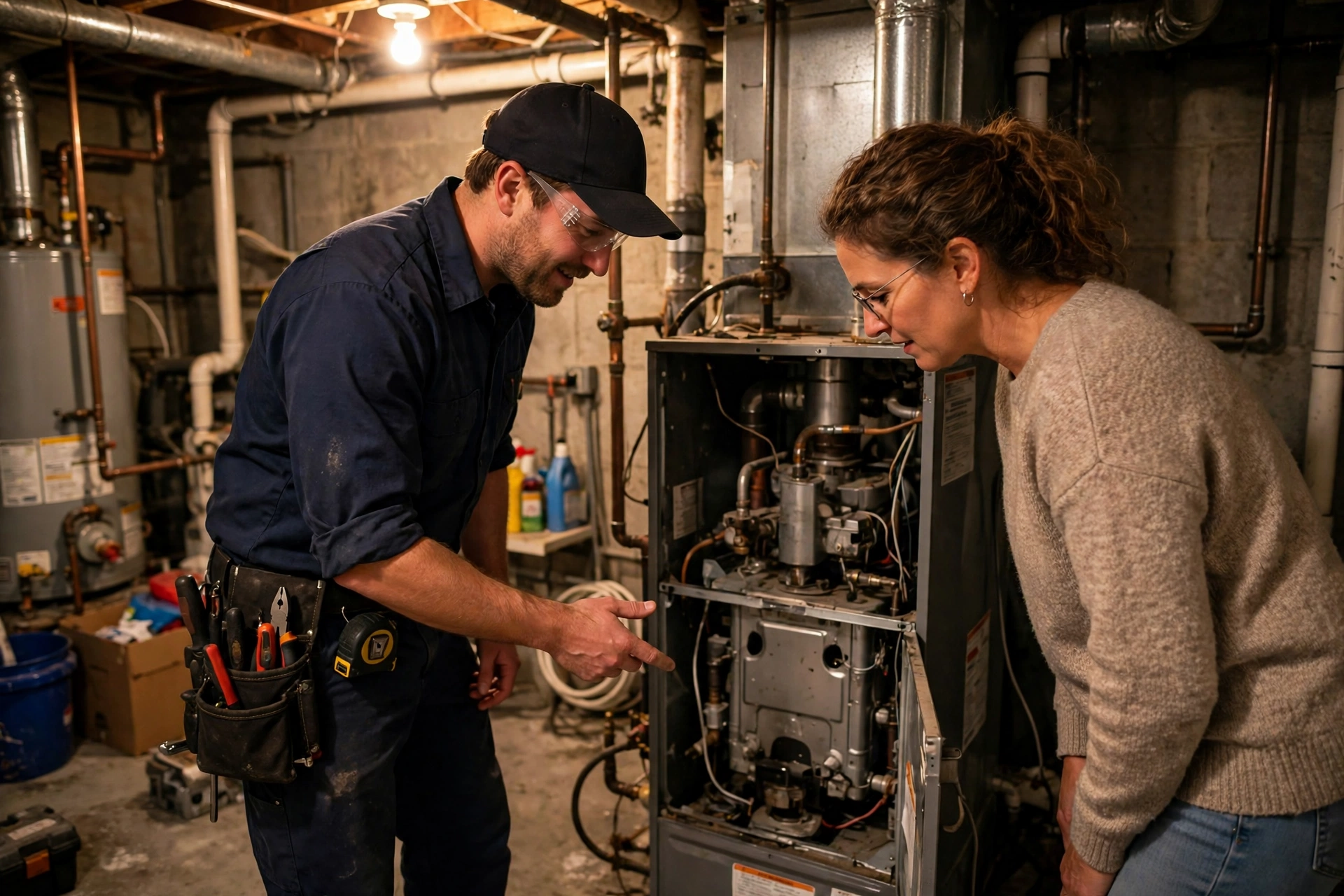
A technician inspecting an open home furnace with tools laid out beside it

How a Visit Unfolds, Step by Step

Many homeowners have never watched a furnace repair, so the process itself can feel uncertain. The steps below describe a normal visit in plain order: a conversation first, then inspection and testing, then an agreed plan, then the work, then testing again. Knowing the order helps you follow what is happening in your own basement or utility room, and it gives you natural points to ask questions — about a reading on a meter, about why a part failed, or about what to watch for after the visit.

Visits differ by fuel type. Gas furnace work leans on combustion and venting checks, electric furnace work leans on heating elements, sequencers, and electrical testing, and propane furnace work adds tank supply and regulator checks to the same diagnostic routine. The table further down this page sets those differences out side by side.

Furnace Services in St. Cloud

Every service below is furnace work — repair, replacement, or care for the system around it.

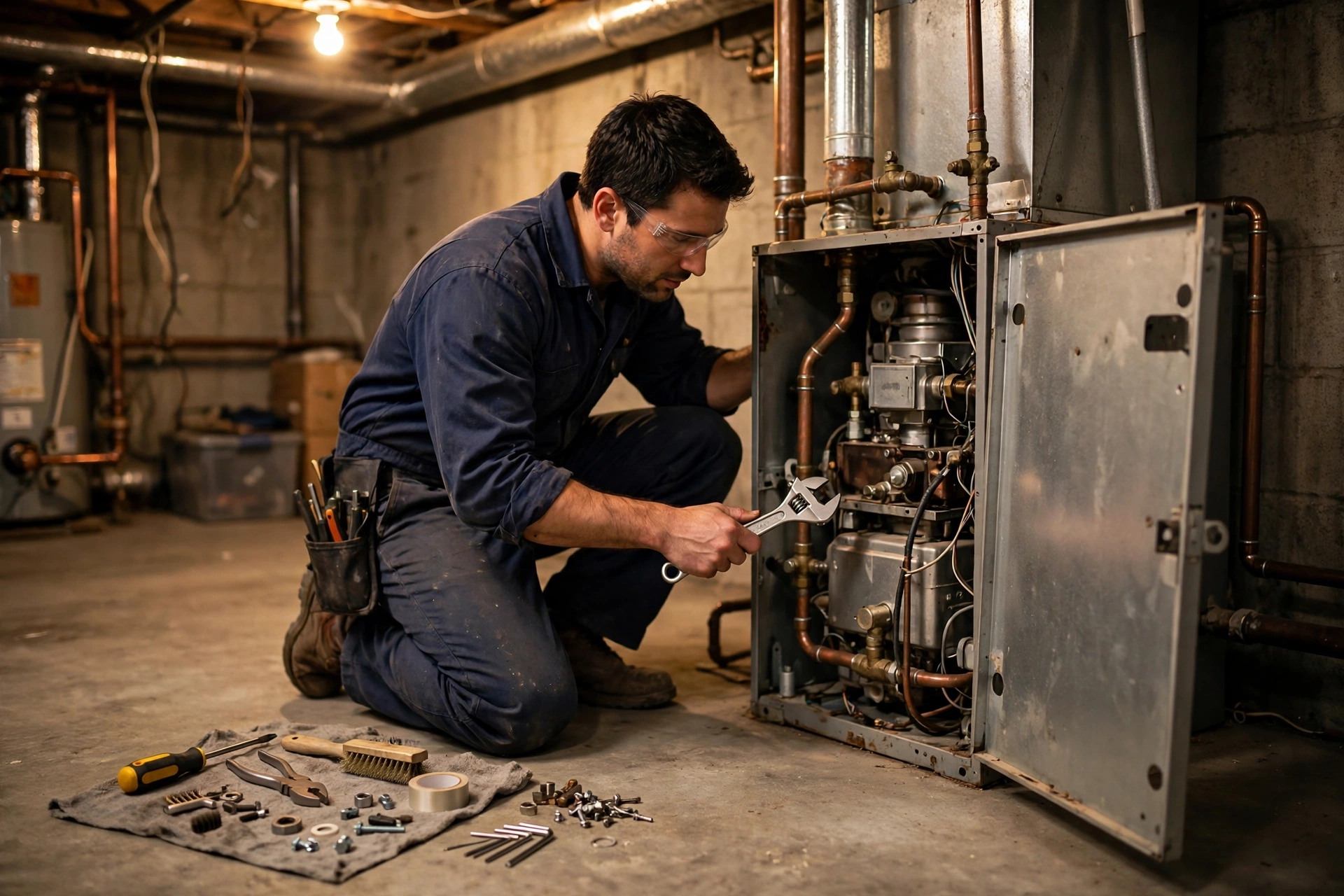
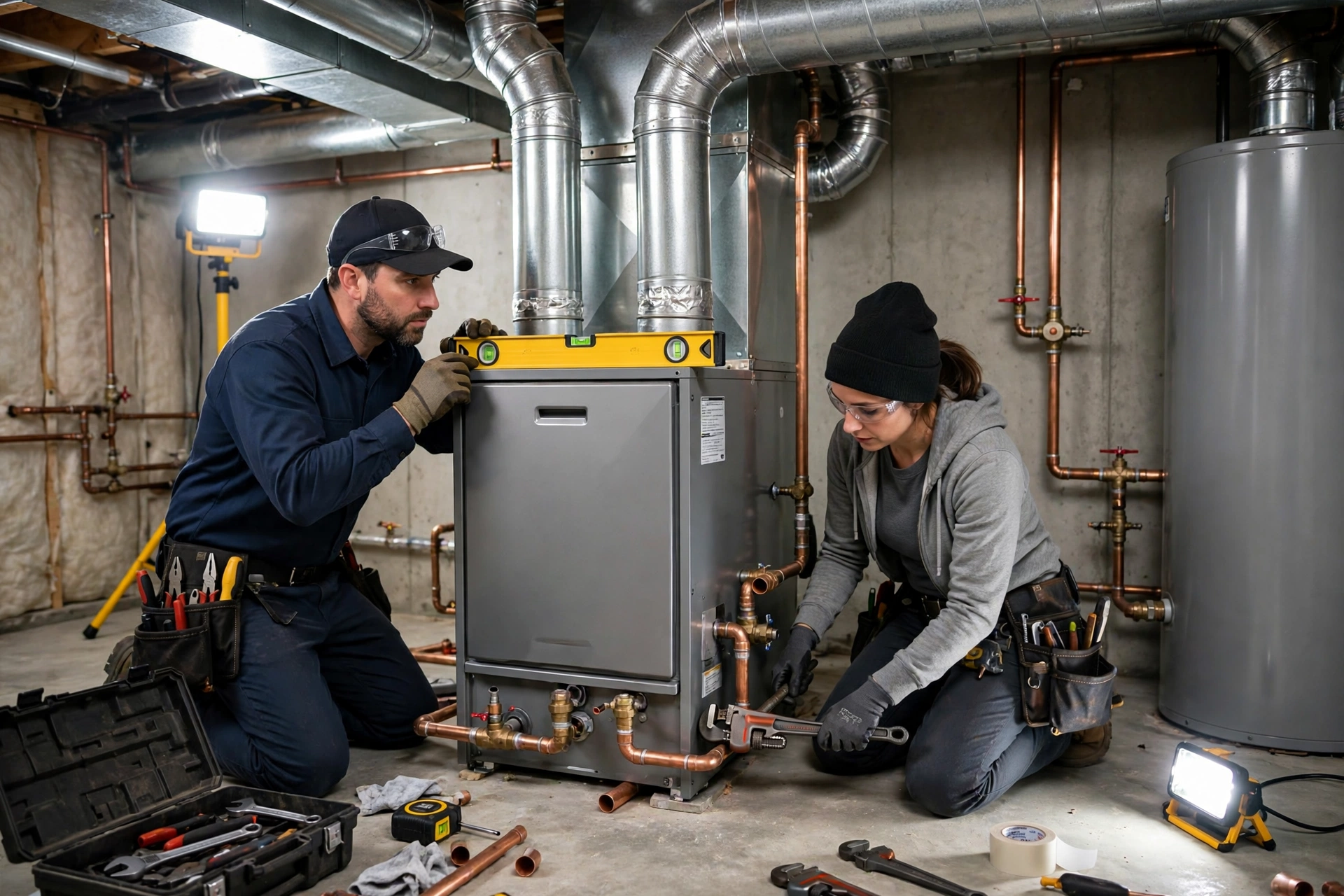
A technician repairing an open furnace in a basement

Furnace Repair in St. Cloud

Diagnosis and repair for furnaces that stop, short cycle, or heat unevenly — owned on this page.

A technician responding to a furnace breakdown in a cold home

Emergency Furnace Repair

Help when the heat stops on a cold night — owned on this page, with safe first checks to make while you call.

A new furnace being installed in a utility room

Furnace Installation & Replacement

New furnaces sized to the home, with ductwork and venting worked through before installation.

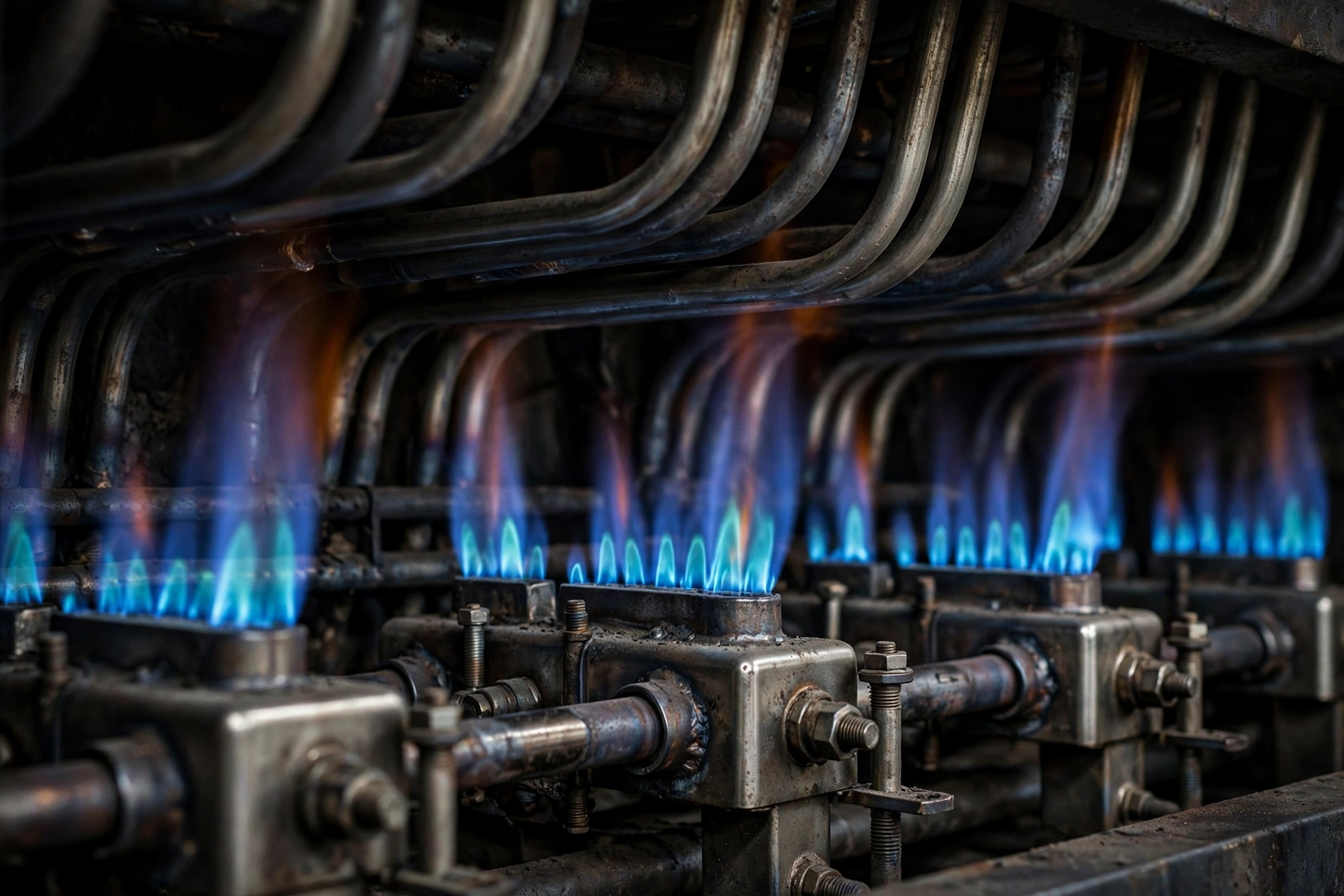
A technician servicing a gas furnace burner assembly

Gas Furnace Services

Burners, ignition, gas valves, and venting checks for natural gas furnaces.

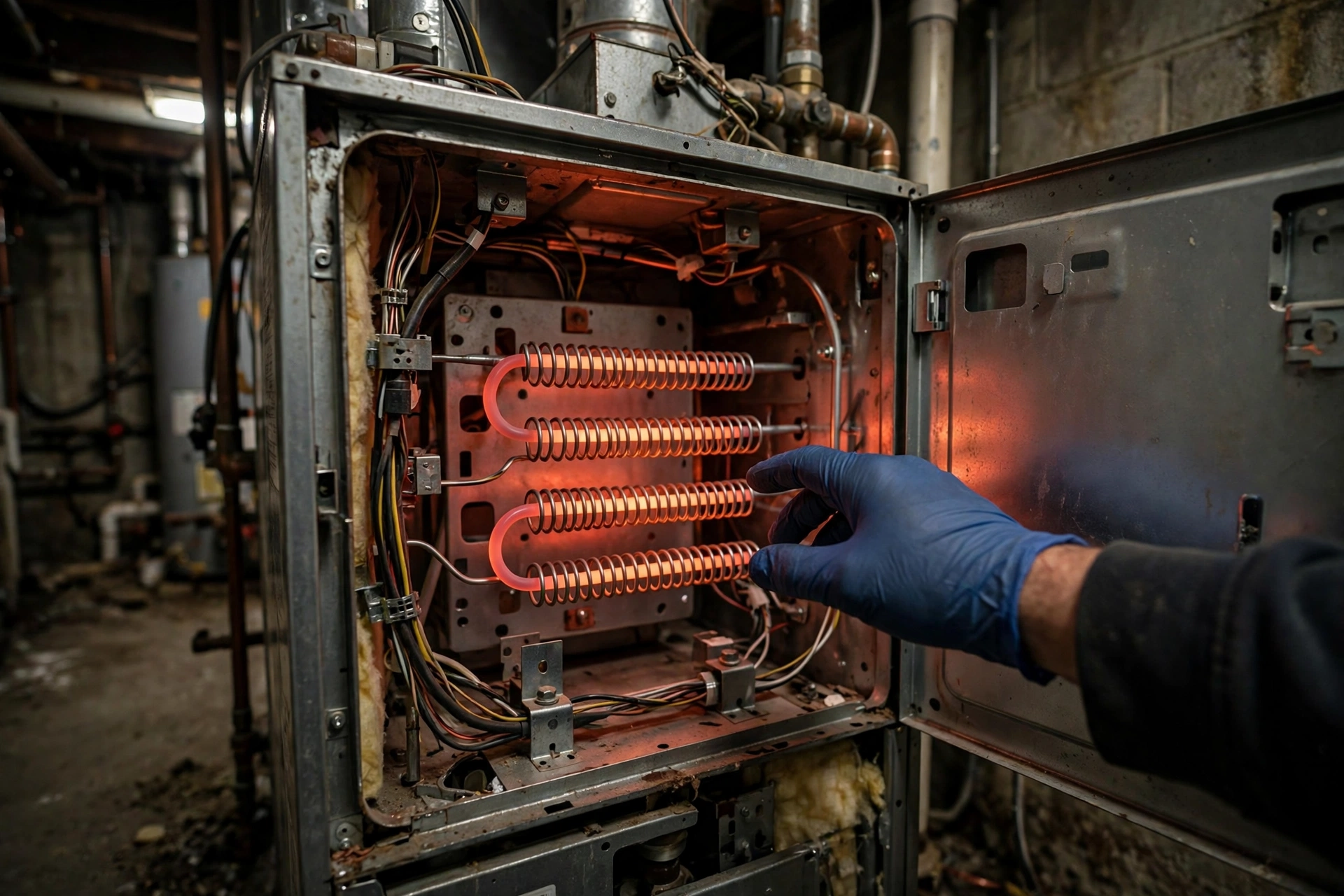
A technician testing an electric furnace control panel

Electric Furnace Services

Heating elements, sequencers, and electrical testing for electric furnaces.

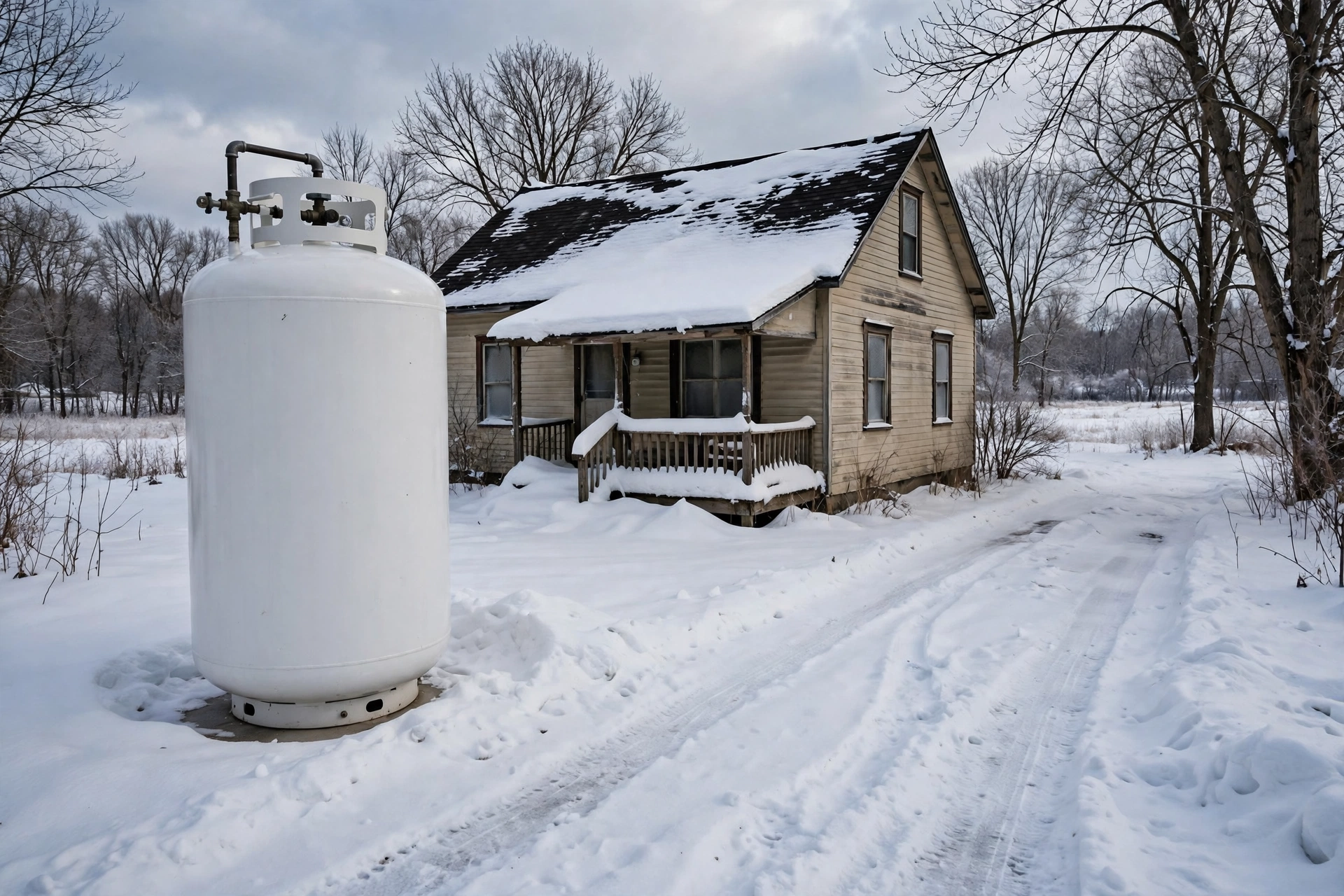
A propane furnace beside a fuel supply line in a rural utility room

Propane Furnace Services

Propane furnaces, tank supply checks, and regulator and venting work.

A technician replacing a furnace blower motor

Blower Motor Repair

Blower motors and fans that move heated air through the home.

A technician inspecting a furnace heat exchanger

Heat Exchanger Services

Inspection and repair work around the heat exchanger, the heart of a gas furnace.

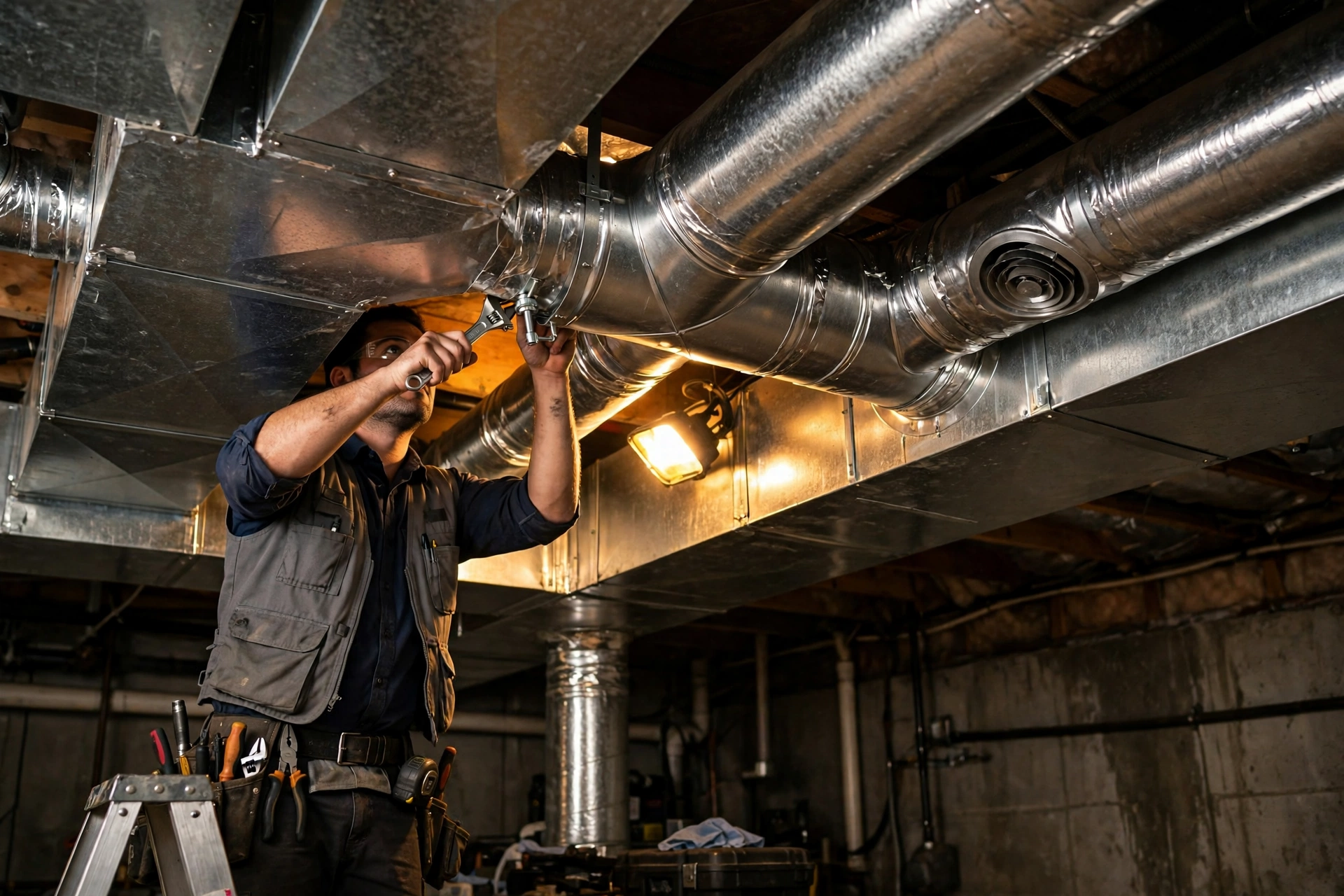
Sheet metal ductwork running through a basement ceiling

Ductwork & Airflow Services

Airflow, duct leakage, and uneven room temperatures traced to the duct system.

A compact furnace in a manufactured home utility closet

Manufactured Home Furnace Services

Furnaces built for manufactured homes, with their own sizing and venting needs.

A large commercial furnace in a building plant room

Commercial Furnace Services

Furnace work for shops, offices, and other commercial buildings.

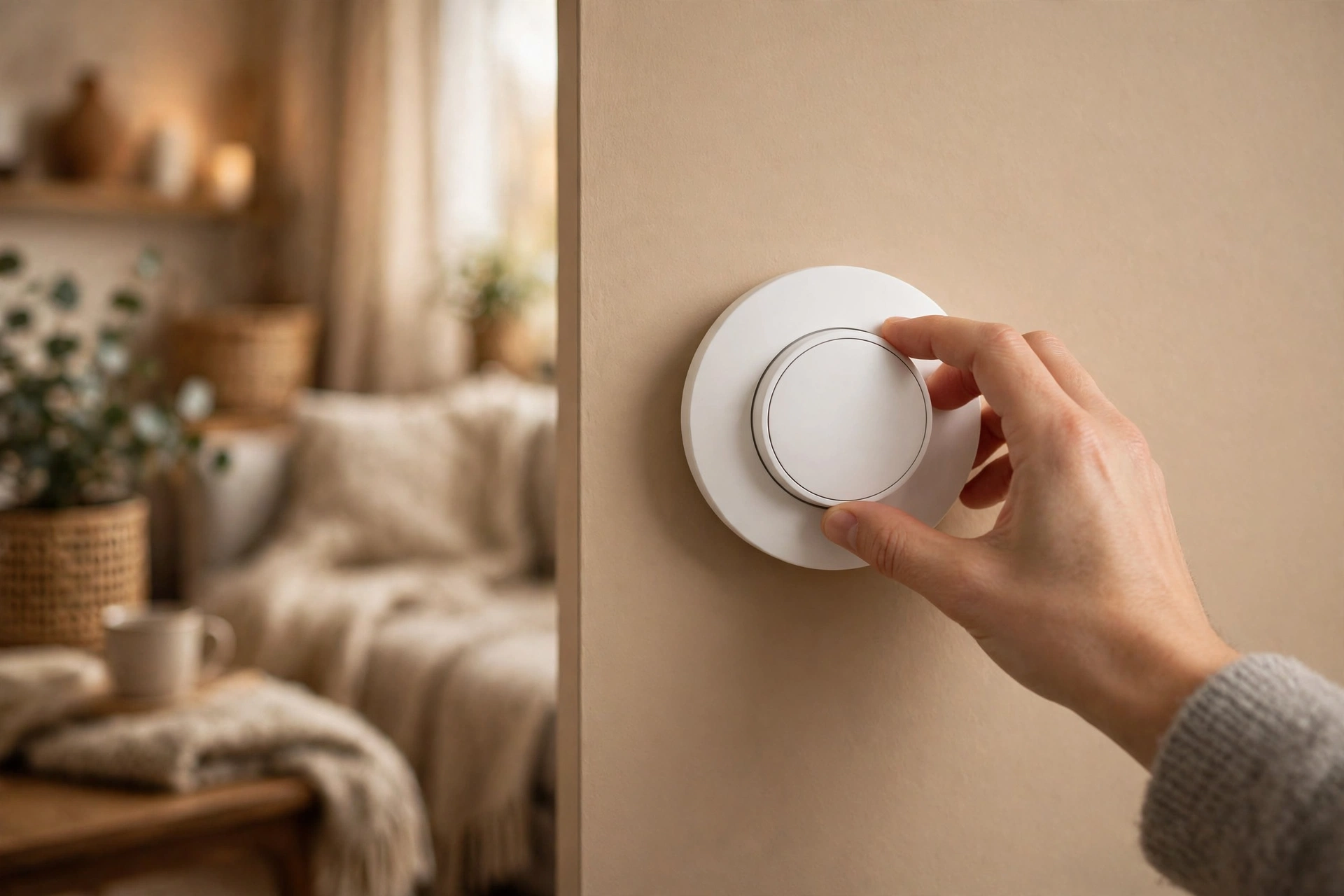
A homeowner adjusting a wall thermostat

Thermostat, Controls & Zone Heating

Thermostats, controls, and zoning that divide a home into separately heated areas.

A technician carrying out a furnace tune-up and safety inspection

Furnace Maintenance, Tune-Up & Safety Inspection

Seasonal checks, cleaning, and safety inspection before the heating season.

Furnace Trouble? Call Quarry Furnace Co.

Repair, replacement, and tune-ups across St. Cloud and the towns around it — talk to a technician about what your furnace is doing.

(320) 389-8174

Gas, Electric, or Propane — How They Differ

The same cold house, three different systems. Features only — the right fit depends on the home.

FeatureGas FurnaceElectric FurnacePropane Furnace
Fuel supplyNatural gas from the city mainsElectricity from the home supplyPropane stored in an on-site tank
IgnitionElectronic igniter or pilot lighting a gas burnerHeating elements switched on by sequencersElectronic igniter lighting a propane burner
VentingFlue or PVC venting to the outside, with combustion air suppliedNo combustion venting neededFlue or PVC venting to the outside, with combustion air supplied
Typical homeHomes on the natural gas networkHomes without a gas connection, including smaller homesHomes beyond the gas mains, including rural properties
Key checksBurners, flame sensor, gas valve, heat exchanger, vent draftElements, sequencers, wiring, control board, airflowBurners, regulator, tank supply, heat exchanger, vent draft
Cold-weather watch pointVent terminals icing over in snow and frostAirflow and element cycling under long heating runsTank level and regulator performance in deep cold

Your Visit, in Five Steps

The same order on every visit, whether the furnace stopped overnight or the job was planned weeks ahead.

01

Call and Describe

Call (320) 389-8174 or email info@furnacerepairsaintcloudmn.com and describe what the furnace is doing, its fuel type if you know it, and which town you are in.

02

Talk It Through

A technician asks about symptoms, furnace age, and recent changes, so the visit starts with useful detail instead of guesswork.

03

Inspect and Test

The furnace is inspected and tested — ignition, safety controls, airflow, temperature rise, and venting — to trace the fault to its cause.

04

Agree the Plan

What was found and what the work would change are explained before anything starts. No work begins until you have agreed what it is.

05

Work, Then Test Again

After the work, the furnace runs through a full heating cycle, with airflow, temperature rise, and safety shutdowns checked before the visit ends.

A St. Cloud street in winter with snow on roofs and trees beside the river city

St. Cloud Homes, St. Cloud Cold

St. Cloud sits where the Sauk River meets the Mississippi, and its housing stock tells that river-city story: older homes with tall ceilings and long duct runs near the centre, post-war houses with basement furnaces, and newer homes with sealed envelopes and high-efficiency venting. A furnace repair that ignores the house around the furnace misses half the diagnosis. Long duct runs lose heat and pressure, sealed homes need careful combustion air, and older homes often hide the cause in a return vent blocked by furniture or a filter slot that no longer seals.

Winter here also shapes the work itself. Vent terminals ice over, condensate drains freeze where they run through cold spaces, and propane regulators behave differently in deep cold than in mild weather. A blower motor that strains against blocked airflow and a heat exchanger stressed by repeated overheating both fail sooner in a long heating season, which is why airflow and temperature rise are measured on a proper visit rather than assumed. The result should be a furnace matched to the home it heats, not just a part swapped and a door closed.

St. Cloud Neighbourhoods & ZIP Codes

This homepage owns St. Cloud — its neighbourhoods and ZIP codes live here, and nowhere else on this site.

St. Cloud's four main ZIP codes are 56301, 56302, 56303, and 56304. Note that 56302 is a PO Box ZIP rather than a home-delivery ZIP, and other codes also serve particular addresses in the city, so these four are the main codes, not the only ones. Homes across the city, from the riverfront to the outer neighbourhoods, share the same January cold — and the same need for a furnace that starts cleanly, heats evenly, and shuts down safely.

DowntownSouthsideSouthside Historic DistrictNorthside – Hester ParkMcKinley – Railroad ParksSt. John CantiusSeberger – RooseveltNorth East – Wilson ParkWest EndColonial GardensSoutheastPantownLake George

Neighbourhood character changes what a technician looks for. A Downtown home may hide its furnace in a tight utility space with older venting, a Southside home near the university may have a furnace worked hard by many occupants, and a home in Pantown or near Lake George may pair an older furnace with newer controls. The visit adapts to the house in front of it, and the questions at the start of the call — fuel type, symptoms, furnace age — are how that adaptation begins.

Towns We Serve Around St. Cloud

Fourteen towns, each with its own page carrying that town's own local detail.

St. Cloud itself is covered from this page. If your town is not listed, call or email and ask — the conversation is the quickest way to find out whether a visit is possible.

Find Us in St. Cloud

823 1st St S, St Cloud, MN 56301, USA.

Furnace Repair Questions, Answered

Straight answers about repair, breakdowns, fuel types, coverage, and winter checks.

What does furnace repair in St. Cloud usually involve?

It starts with listening to what the furnace is doing, then inspecting the unit, testing its controls and safety devices, and tracing the fault to a part or a condition such as a blocked vent or a dirty filter. The technician explains what was found and what the repair would change before any work starts.

How do I tell whether my furnace needs a repair or a replacement?

Age, condition, and the nature of the fault all matter. A single worn part on a sound furnace points toward repair, while repeated breakdowns, a cracked heat exchanger, or a unit that no longer heats evenly points toward replacement. A technician walks through both options with you so the choice is yours.

What should I do if my furnace stops heating on a cold St. Cloud night?

Call (320) 389-8174 and describe what the furnace is doing, whether it tries to start, and what the thermostat shows. Check that the thermostat is set to heat, that the filter is not blocked, and that vents outside are clear of snow. Keep interior doors open so warmth spreads while you wait to talk to a technician.

Do you work on gas, electric, and propane furnaces?

Yes. We work on gas furnaces, electric furnaces, and propane furnaces in St. Cloud homes. Each fuel type has its own ignition, venting, and safety checks, so telling us which fuel your furnace uses when you call helps the conversation start in the right place.

Which St. Cloud neighbourhoods and ZIP codes do you cover?

We cover St. Cloud neighbourhoods including Downtown, Southside, Northside – Hester Park, West End, and Lake George, and the four main ZIP codes 56301, 56302, 56303, and 56304. Note that 56302 is a PO Box ZIP rather than a home-delivery ZIP, and other codes also serve particular addresses in the city.

What does a technician check on a furnace before winter?

A technician checks the heat exchanger, burners, ignition parts, flame sensor, blower motor, filter, thermostat, venting, and safety controls, and measures airflow and temperature rise. The aim is to catch worn parts, blocked vents, and weak airflow before the coldest weeks put the furnace under its heaviest load.

Call About Your Furnace

St. Cloud and the towns around it.

(320) 389-8174

Related Pages