St. Cloud, Minnesota(320) 389-8174info@furnacerepairsaintcloudmn.com823 1st St S, St Cloud, MN 56301, USA
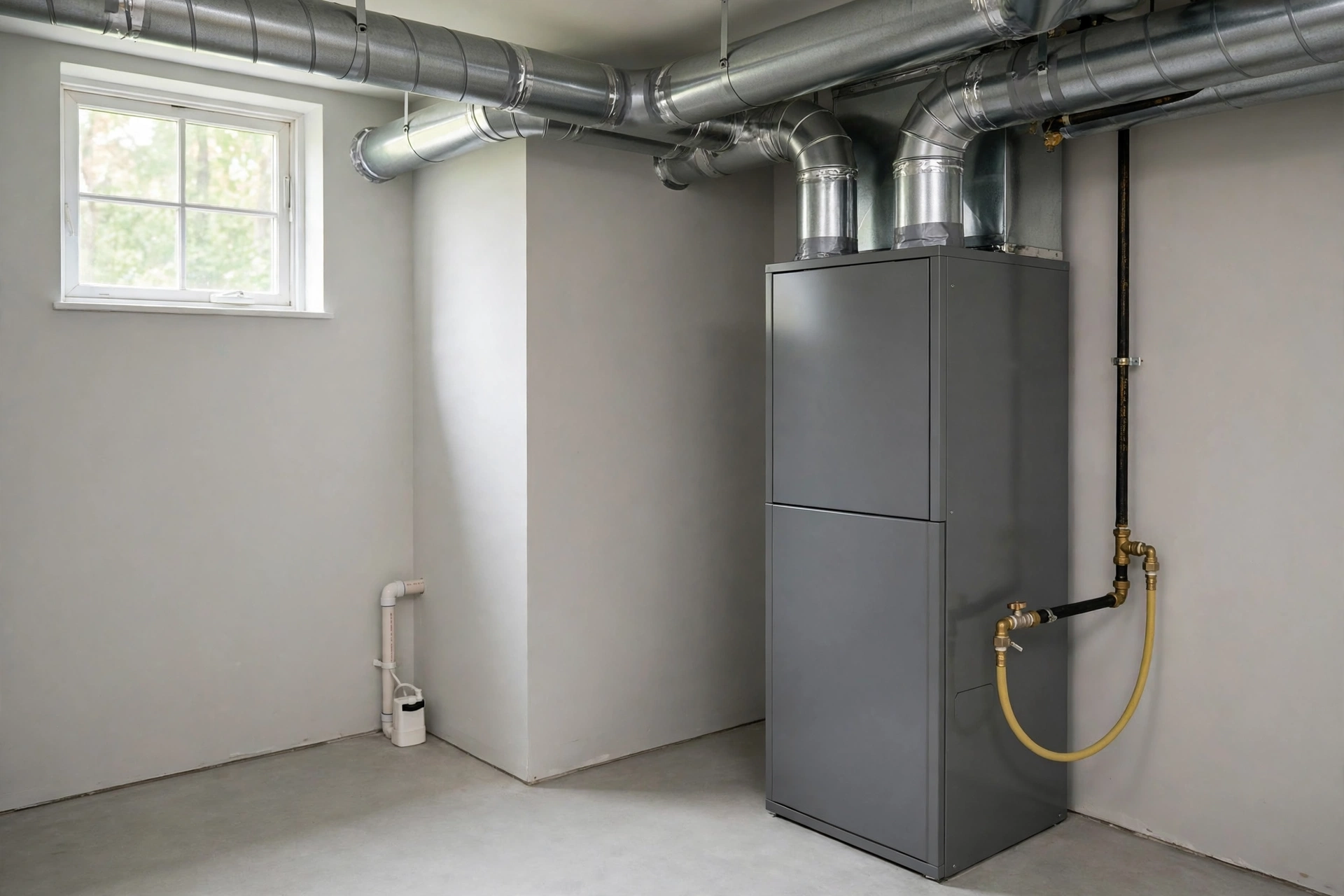
A newly installed gas furnace in a clean Minnesota home basement
Furnace Installation · St. Cloud, Minnesota

Furnace Installation & Replacement in St. Cloud

When an old furnace can no longer keep a St. Cloud home warm through a long winter, a well-planned replacement makes the difference. We size the new furnace to the home, fit it carefully, and test every part of the system before we call the job done.

Call (320) 389-8174Furnace Maintenance & Tune-Ups

When a Replacement Makes Sense

Most furnaces do not fail all at once. They give warning signs over a few winters: rooms that never quite warm up, burners that cycle on and off too often, strange rattles from the blower cabinet, or repair visits that keep coming back to the same parts. When the pattern keeps repeating, putting another repair into an ageing unit stops making sense, and a planned replacement beats a breakdown in the middle of a cold snap.

A replacement is also the right moment to fix problems the old furnace was hiding. Leaky duct joints, a return grille starved for air, or a thermostat in a draughty hallway can all make a good furnace look bad. We look at the whole heating setup — the furnace, the ductwork, the venting, and the controls — so the new unit is not asked to overcome faults that were never its own. If your current system is a gas furnace, we check the gas line, the vent route, and the combustion air supply as part of that same check.

St. Cloud winters are long, and the heating season runs roughly from October into April. That is a lot of hours for a furnace to run, so the choice matters more here than in a mild climate. According to St. Cloud State University climate normals for 1991–2020, the January mean temperature in St. Cloud is 11.8°F — a reminder that a replacement furnace must be sized for real cold, not for an average day. Our maintenance and safety inspection work after installation keeps that new system running the way it was designed to.

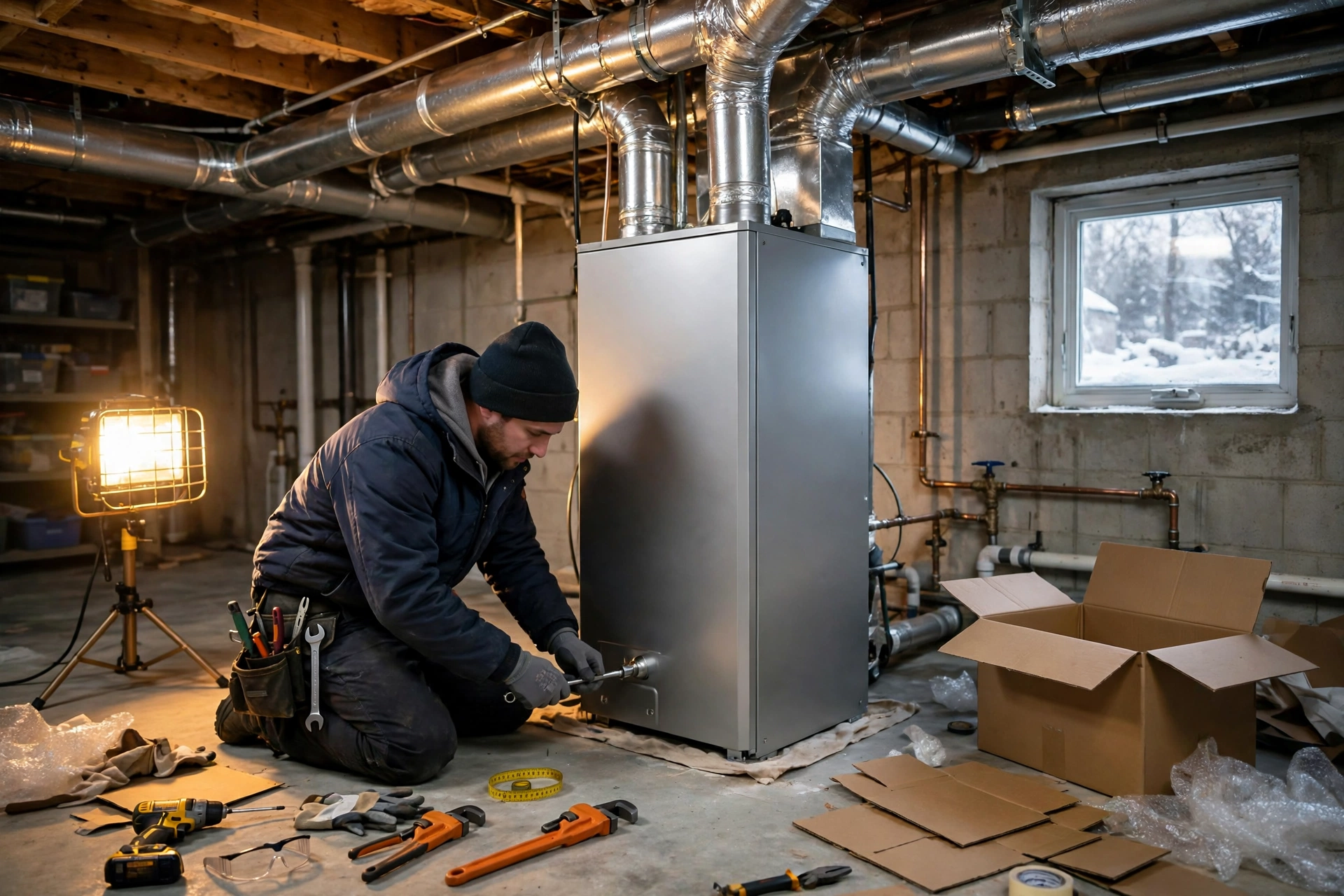
A technician measuring a new furnace cabinet against the existing ductwork

Sizing a Furnace for a Minnesota Winter

Sizing starts with the house, not with the old furnace's label. We measure rooms, look at insulation and window area, note ceiling heights, and consider how the home loses heat on a windy January night. That load calculation — the estimate of how much heat the home actually needs — decides the furnace size. A unit that is too large short-cycles, wearing parts and leaving rooms uneven; one that is too small runs constantly and still falls behind.

We also match the furnace to the ductwork it will breathe through. A powerful blower pushing into undersized ducts makes noise and strain, while generous ducts let a right-sized furnace move air quietly and evenly. Where the duct layout needs attention, our ductwork and airflow work covers the furnace side of that system, including supply and return balance and damper adjustment. The result is a furnace that fits the home it serves, rather than a box that merely fits the space in the basement.

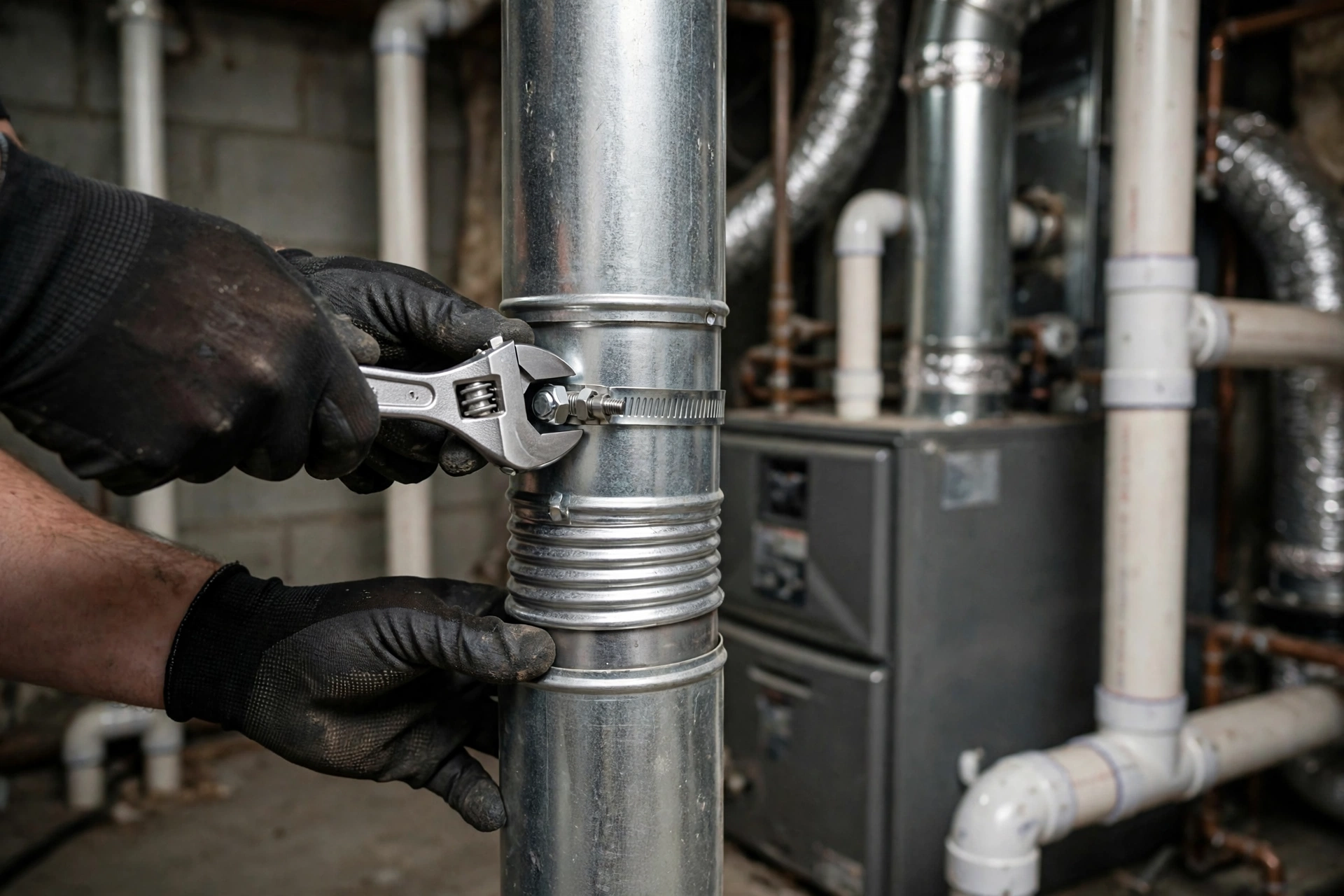
A technician connecting gas piping and venting on a newly fitted furnace

What Installation Day Looks Like

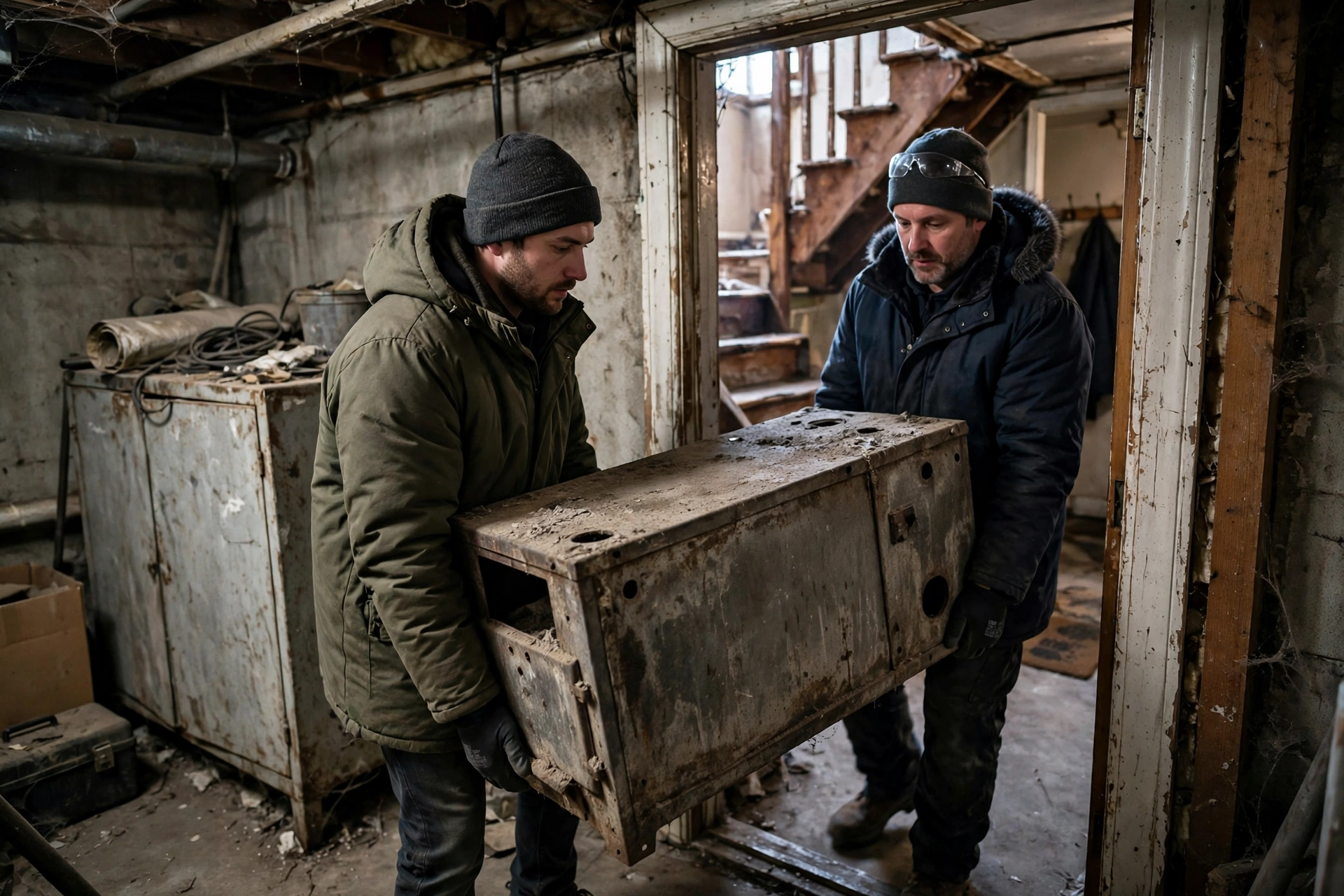
Installation begins with protecting the home: floor coverings where we walk, care around finished walls, and a clear work area around the old unit. We disconnect the old furnace, remove it, and set the new cabinet in place, checking that it sits level and that the duct connections line up squarely. Gas piping, electrical wiring, condensate drainage, and venting are each connected to the furnace manufacturer's instructions and to Minnesota mechanical code requirements for the job.

Furnace types differ in what that day involves. A electric furnace needs correct breaker and wire sizing for its heating elements, while a propane furnace needs a sound tank connection and careful pressure checks. Whichever fuel your home uses, the venting route gets the same attention: flue pipe pitched correctly, joints sealed, and clearances kept from anything combustible. We test the system with a manometer on gas pressure, a multimeter on electrical readings, and a thermometer on supply-air temperature before we finish.
How We Plan a New Furnace

Four steps, in order, before any fitting starts.

Measure the home

Room sizes, insulation, windows, and heat loss shape the load calculation that sizes the furnace.

Check ducts and vents

Supply and return runs, vent routes, and combustion air are inspected so nothing is left to chance.

Choose the furnace type

Single-stage, two-stage, and modulating models are weighed against the home and the ductwork.

Fit, test, and walk through

After fitting we test ignition, airflow, and safety controls, then show you the new controls.

A homeowner learning the new thermostat controls beside a new furnace

After the New Furnace Is In

Before we leave, we run the furnace through full heating cycles and check the safety controls that shut it down if something goes wrong: the limit switch, the flame sensor, and the pressure switch on vented models. We also set the thermostat with you, so you know how to change temperature, switch the fan, and read the filter reminder. A new furnace should feel simple to live with, and that short walk-through is part of the job.

The first winter is when small adjustments pay off. Filters need changing on schedule, registers should stay open and unblocked, and any room that stays cool is worth mentioning so airflow can be rebalanced. If the home later needs control work, our thermostat and zone heating page covers thermostats, sensors, and room-by-room control. And if a part ever needs attention, the blower motor and heat exchanger pages explain how those components are checked and repaired.

Repair Again, or Replace?

A repair fits some furnaces; others have reached the point where replacement is the honest conversation. The situation usually decides.

SituationWhat it usually points to
One failed part, furnace otherwise soundRepair — the rest of the system still has life in it
Repeated failures across one seasonReplacement is worth discussing — breakdowns are becoming a pattern
A cracked heat exchangerReplacement is usually the conversation — the exchanger is the furnace's core
The furnace no longer fits the homeReplacement, sized to the home as it is now
Parts are hard to findReplacement avoids a furnace kept alive on scarce parts

How a New Furnace Is Sized and Fitted

Sizing comes before fitting. A furnace matched to the home heats evenly and lasts longer.

Measure the homeRooms, insulation, and layout are measured, not guessed.
Heat-loss checkThe check sizes the furnace to a Minnesota winter.
Pick the furnaceA model that matches the home's load and the existing ducts.
Fit and ventThe unit is set, connected, and vented to the outside.
Combustion testBurner and exhaust readings confirm clean running.
Show the controlsThe household is shown the new thermostat and settings.

Questions Worth Asking Before Installation Day

People Also Ask

How do I know if my furnace needs replacing instead of repairing?

Replacement makes sense when repairs keep returning, parts are hard to find, the furnace short-cycles or leaves rooms uneven, or heating bills climb while comfort falls. A technician can weigh the age, condition, and repair history of your unit against a new installation and explain both options before you decide anything.

What size furnace does a St. Cloud home need?

There is no single answer, because size depends on the home's floor area, insulation, windows, ceiling height, and air leakage. A proper load calculation measures heat loss room by room, and that figure — not the old furnace's label or a rule of thumb — should set the size of the new unit.

How long does a furnace installation take?

A straightforward replacement in a home with sound ductwork and venting is usually completed within a day, though older homes, vent reroutes, or duct changes can extend the work. Your technician can give a clearer picture once the existing furnace, ducts, and vent route have been seen in person.

Need a Furnace Technician?

Call Quarry Furnace Co. about your furnace — repair, replacement, and tune-ups in St. Cloud and the towns around it.

(320) 389-8174

Furnace Installation Questions

Straight answers before you plan a replacement.

What happens during a furnace replacement visit?

We remove the old furnace, set the new cabinet level, connect gas or electric supply, ductwork, condensate drainage, and venting, then test ignition, airflow, gas pressure, and safety controls through full heating cycles before finishing.

Should I replace my furnace before it breaks down?

A planned replacement avoids a midwinter breakdown, lets you choose the furnace rather than accept whatever is available in a hurry, and gives time to correct duct or vent problems. If your furnace is ageing and repairs keep returning, planning ahead is usually the calmer option.

Do you replace furnaces in older St. Cloud homes?

Yes. Older homes often have unusual duct layouts, tight mechanical rooms, or vent routes that need care, and we check all of those before fitting. The load calculation also matters more in an older home, where insulation and air leakage vary a great deal from room to room.

Will a new furnace work with my existing ductwork?

In most cases, yes, with adjustments where needed. We inspect supply and return runs, joint sealing, and register balance before fitting, and we say plainly if a duct change is needed for the new furnace to heat evenly.

What furnace types can I choose from?

Gas, electric, and propane furnaces are all covered on this site, in single-stage, two-stage, and modulating designs. The right choice depends on your home's fuel supply, ductwork, and heat-loss calculation, and we talk through those trade-offs before you decide.

Do you install furnaces in homes outside St. Cloud?

Yes. We serve Sauk Rapids, Sartell, Waite Park, St. Joseph, St. Augusta, Rice, Foley, Cold Spring, Rockville, Avon, Albany, Clearwater, Collegeville, and St. Stephen, as well as St. Cloud itself. Call (320) 389-8174 to talk about your home and its furnace.

Planning a Furnace Replacement?

Talk through sizing, furnace types, and what installation day involves.

(320) 389-8174

Related Pages