
Blog · St. Cloud, Minnesota
The Furnace Blog
Plain-English explanations of the problems a St. Cloud winter throws at a furnace — and what to do about each one.
Plain-English explanations of the problems a St. Cloud winter throws at a furnace — and what to do about each one.
Every post on this blog starts from a question a homeowner actually asks, usually on a cold day. Why did the furnace quit during the cold snap and not a week earlier? Why does the vent pipe ice up when the furnace itself seems fine? What does a technician actually do on a tune-up, and is it worth doing before winter? The posts answer in plain language, with the part names explained as they come up — ignitor, flame sensor, limit switch, condensate line — so that by the end you can describe what your furnace is doing in words a technician can act on.
The heating season in central Minnesota runs roughly from October through April, and the current 1991–2020 climate normals put St. Cloud's January mean at 11.8 degrees Fahrenheit. That long, cold season is the thread through all thirteen posts. A furnace here does not get a gentle winter and a long rest; it runs hard for months, and the posts follow that strain through its stages. The January cold-snap post explains why breakdowns cluster in the coldest weeks, the winter-strain post explains what months of running do to motors and ignition parts, and the pre-first-freeze checklist explains what to check while the weather still allows a calm decision.
Nothing here is written to impress a search engine at the expense of a reader. Where a post touches a service, it links to that service page for the full detail, and where it touches a safety topic, it says plainly what you can check yourself and what belongs to a technician. Gas work, electrical work, and anything inside the burner compartment are in the second group, every time. The blog's job is to make the phone call shorter and smarter, not to turn a homeowner into a repair technician.

Autumn posts are for planning. The October tune-up walkthrough follows a technician through a real seasonal visit, part by part, so you know what is cleaned, what is tested, and which findings matter. The pre-first-freeze checklist pairs with it: thermostat, filter, registers, vent clearances, and the carbon monoxide alarm, checked in an order that takes an afternoon rather than a weekend. Read those two before the first hard frost, and the rest of winter gets easier.
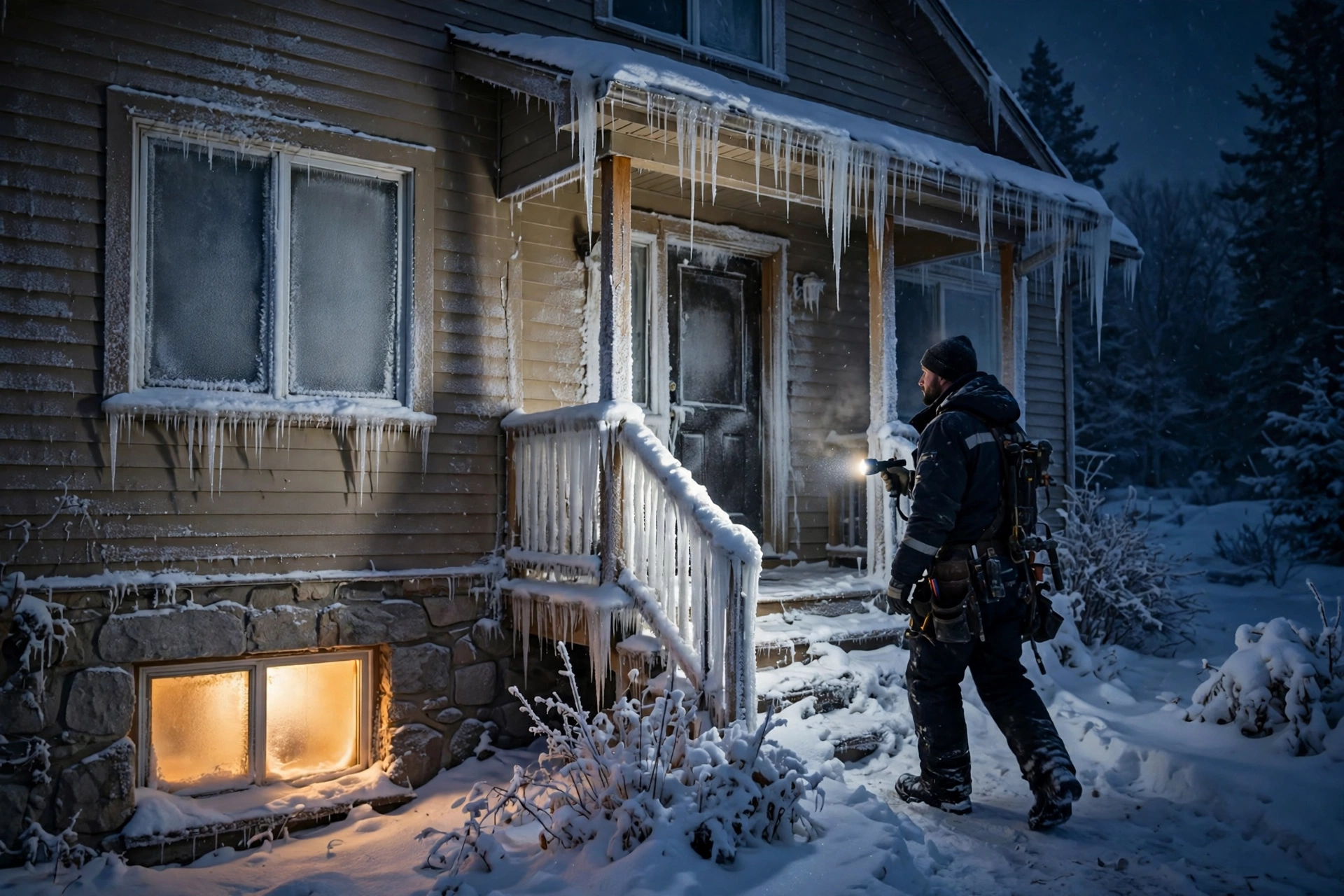
Deep-winter posts are for understanding trouble when it arrives. Vent freeze-ups explain how exhaust moisture ices a vent terminal and shuts a gas furnace down on its safety switch, the middle-of-the-night breakdown post covers what to protect in the house when heat stops and pipes are at risk, and the space-heater comparison explains why a portable heater is a stopgap for one room, not a substitute for a working furnace. Each post keeps the same shape: what is happening, why it happens in cold weather, what you can safely check, and when to call.
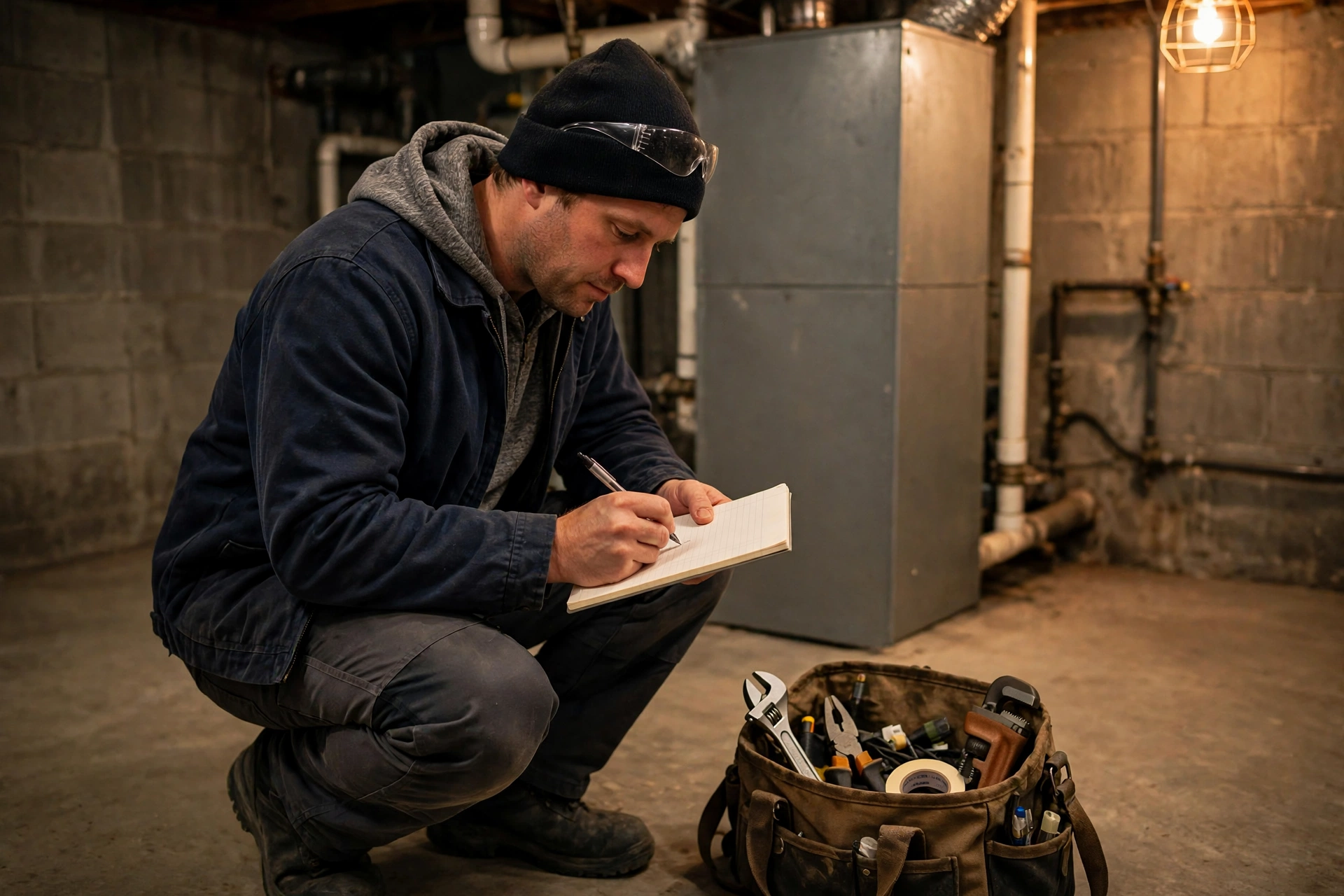
A second group of posts looks beyond the breakdown. Heating older St. Cloud homes deals with the houses that define much of the city: long duct runs, rooms added after the furnace was sized, and radiators of heat loss through old windows and thin walls. Furnace sizing follows from it, explaining why a replacement should be sized to the house as it stands today rather than copied from the old unit's label, and two-stage versus single-stage furnaces explains the comfort difference between a furnace that runs at one speed and one that can step down on milder days.
Safety runs through its own thread. Carbon monoxide safety in sealed homes explains why tighter, better-insulated houses need working alarms and clear venting more than draughty ones did, and why a cracked heat exchanger is treated as a safety matter rather than a repair choice. Rural propane and storm planning covers the other end of the map: tank levels, delivery timing in a storm, and what to do when a rural road is the reason help takes longer. And the whole-home humidifier post, a blog topic rather than a service, explains dry winter air and how humidity travels through furnace ductwork.
Each post is written to stand on its own, but none of them is the last word on its topic. A post that mentions a repair links to the service page that covers it in full, so a reader who wants the diagnostic detail does not have to hunt for it. A post about winter strain in older homes links to the town pages for the communities around St. Cloud, because a 1920s house in St. Cloud and a newer home in Sartell do not present the same problems. And every post that touches a stopped furnace ends in the same place: a conversation with a technician about the symptoms, which is still the fastest route from reading to a fixed furnace.
If you are new here, start with the post that matches your season or your symptom, and follow its links from there. If you are choosing a furnace, read sizing and two-stage first. If you are keeping an old one going, read the older-homes post and the tune-up walkthrough. And if the furnace has already stopped, skip the reading for now — check the thermostat and the filter, note anything the unit is showing, and call. The posts will still be here when the house is warm again.
Cold snaps, checklists, older homes, safety, and sizing.
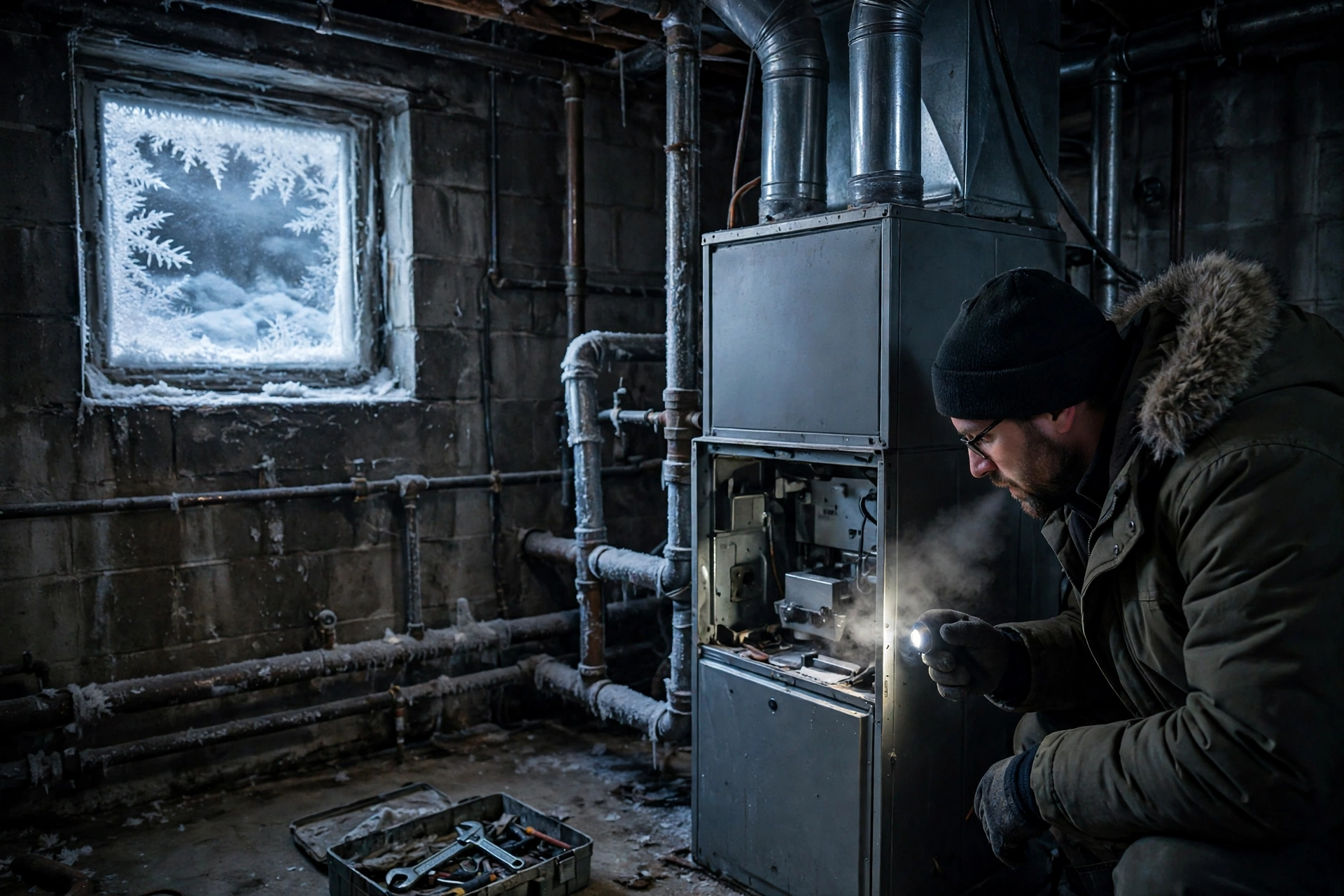
Why furnaces quit in the coldest weeks, and what fails first.
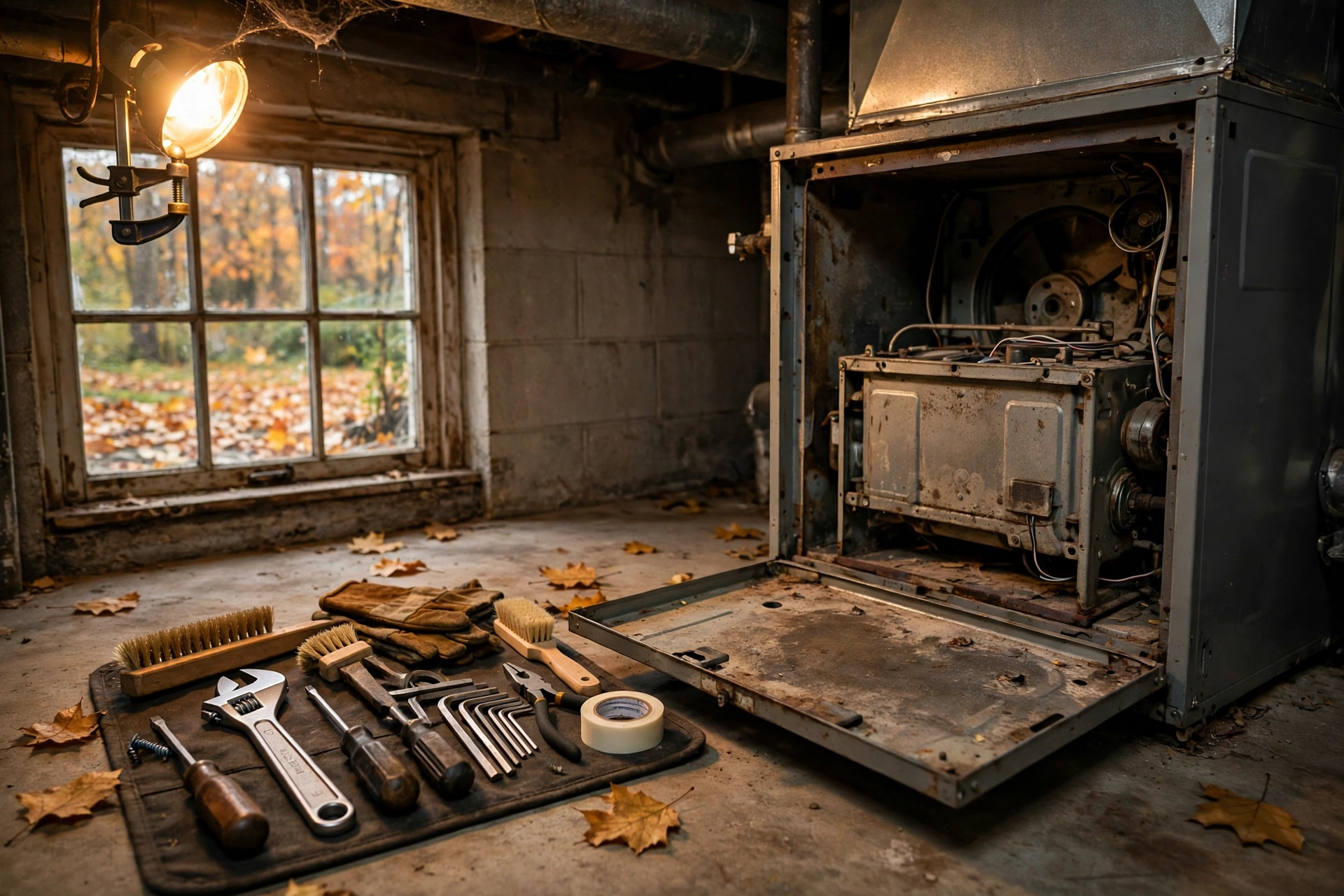
What to check before the first hard frost arrives.
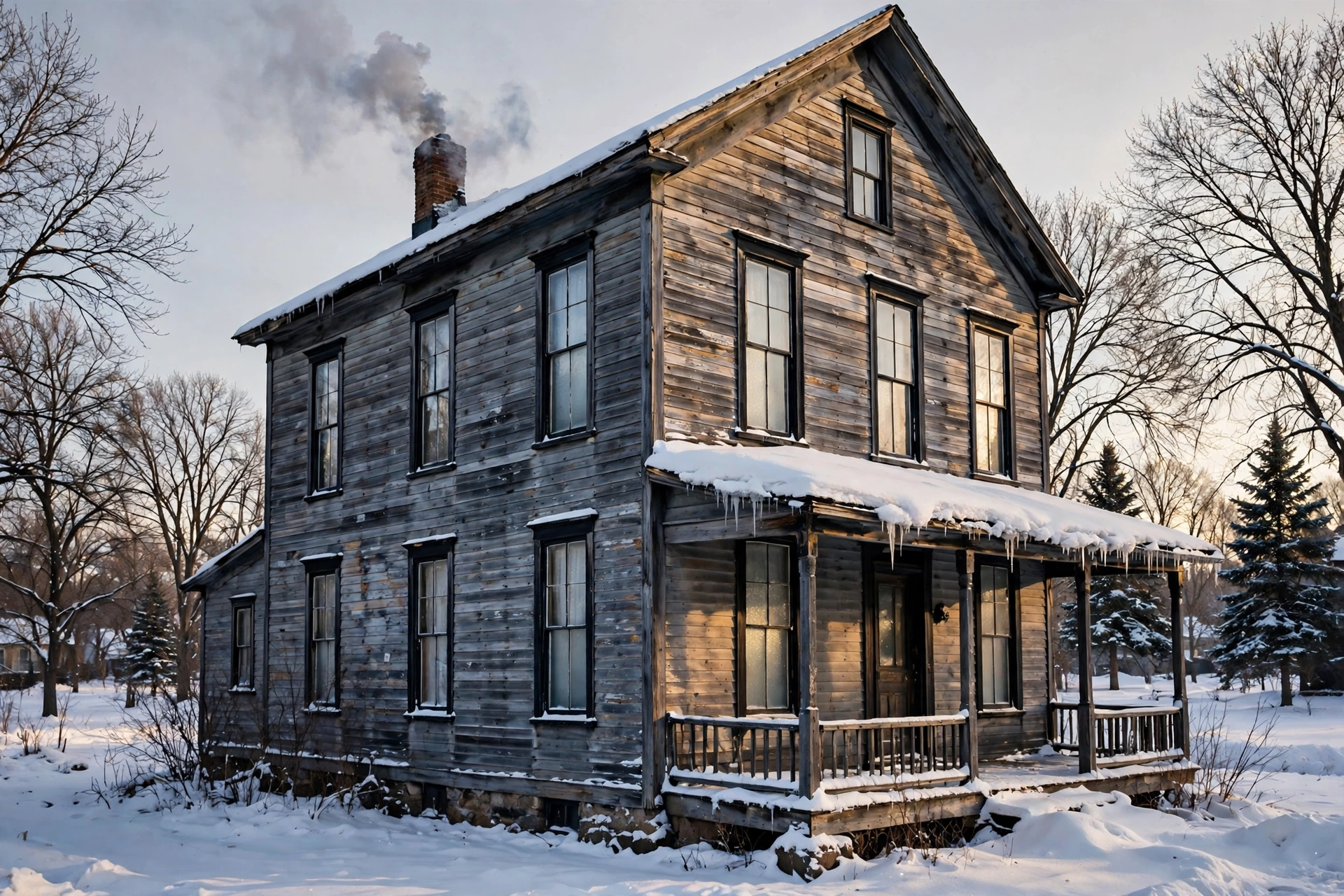
Long ducts, added rooms, and heat loss in older houses.
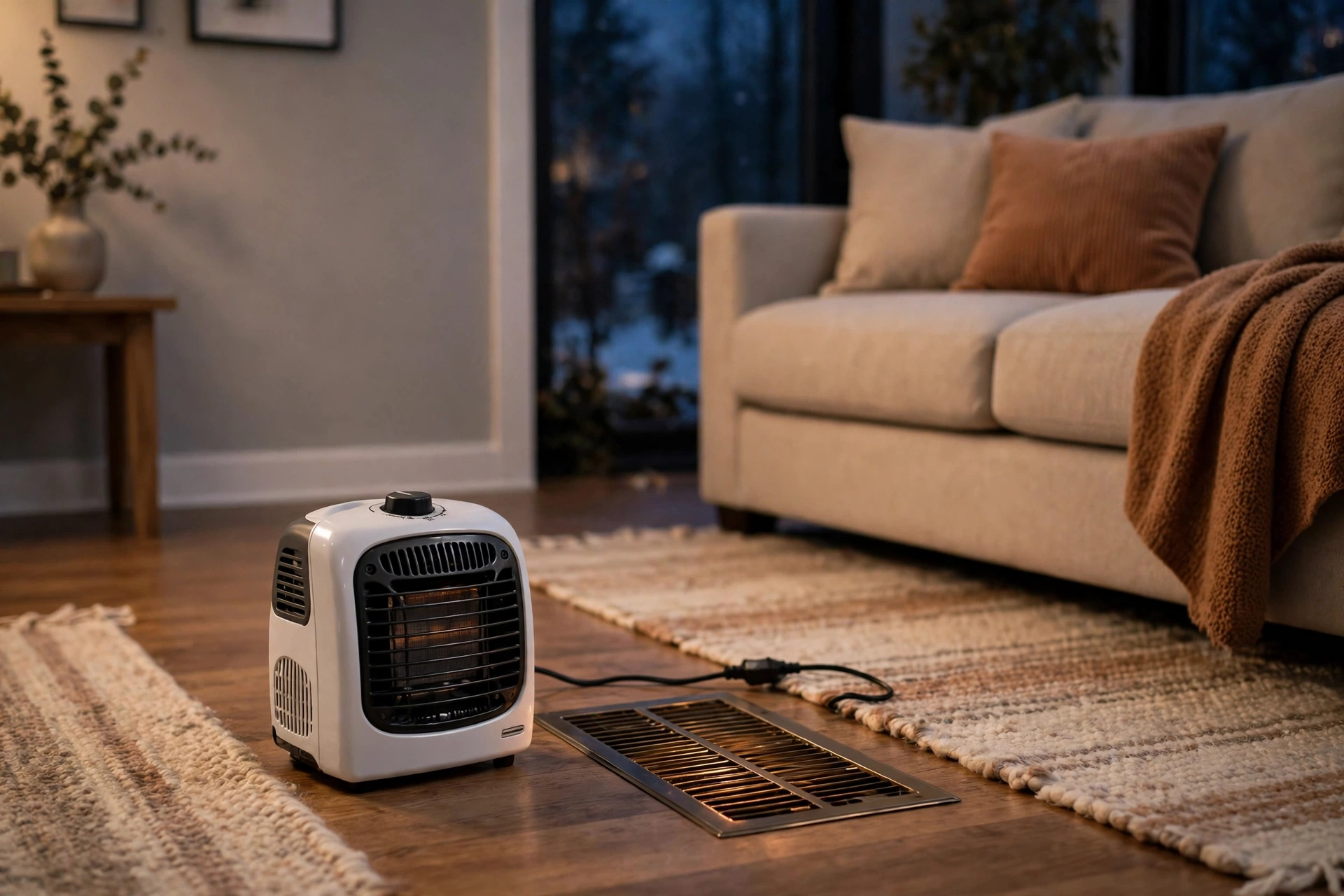
Why a portable heater is a stopgap, not a substitute.
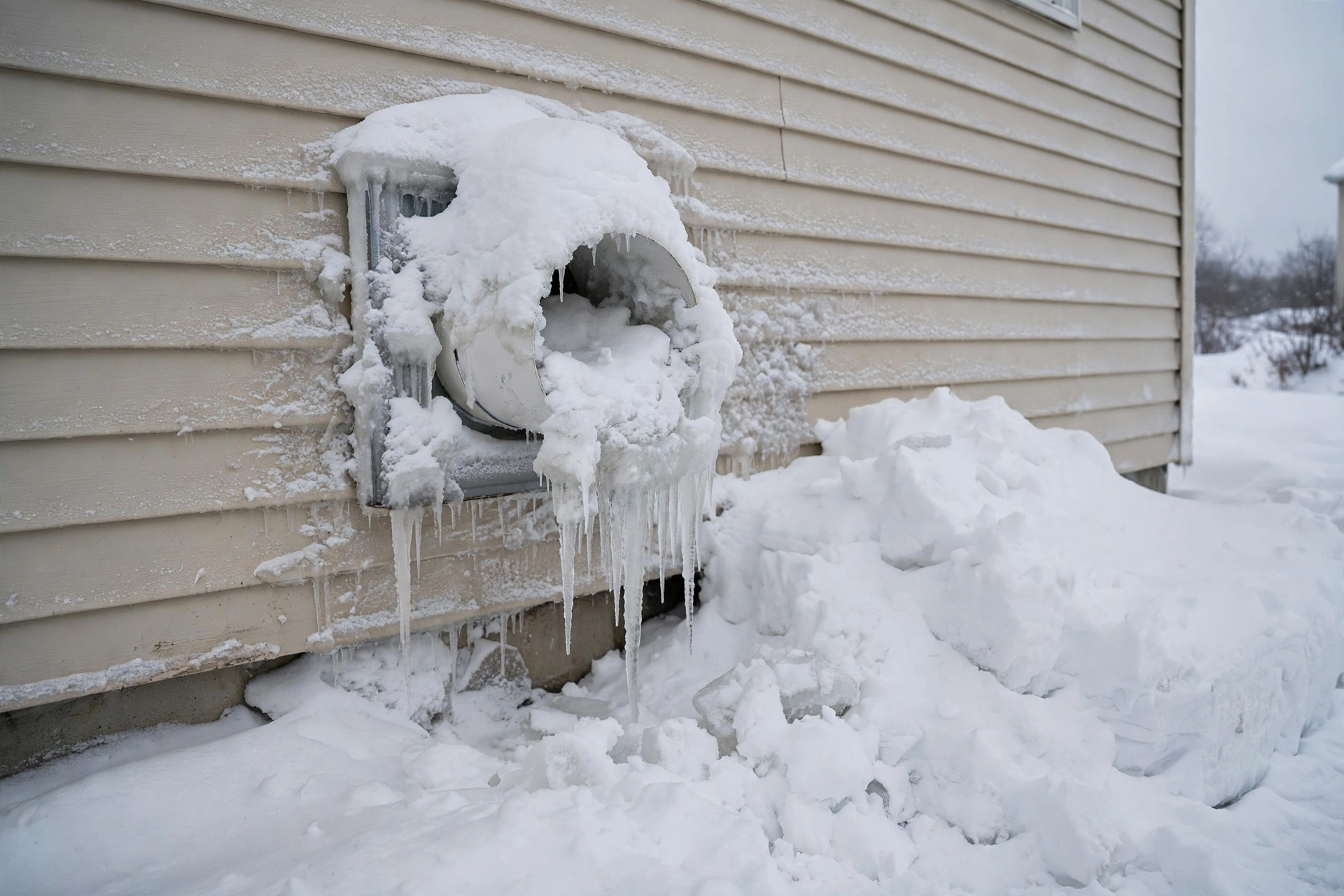
How exhaust moisture ices a vent and shuts a furnace down.
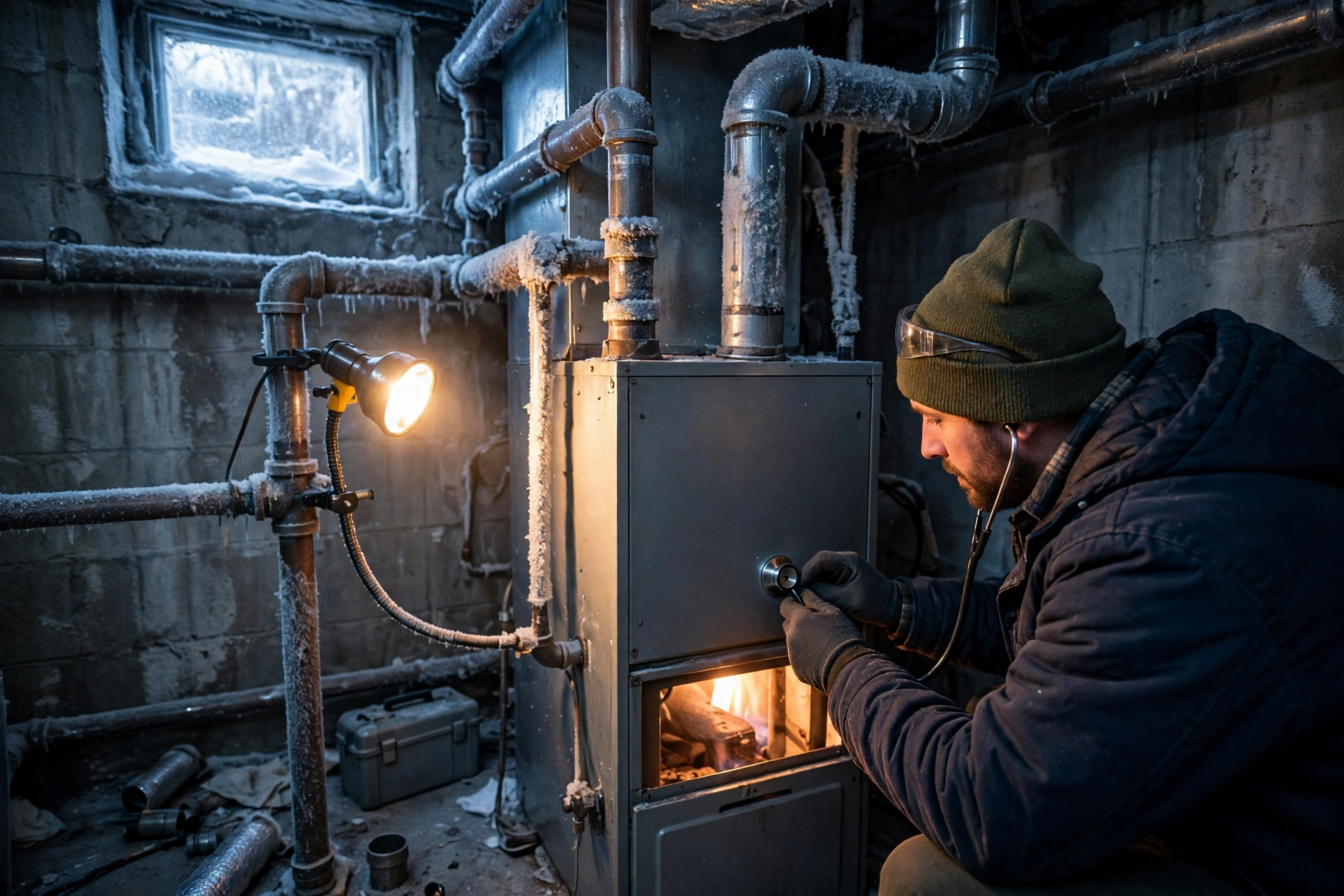
What months of steady running do to a heating system.
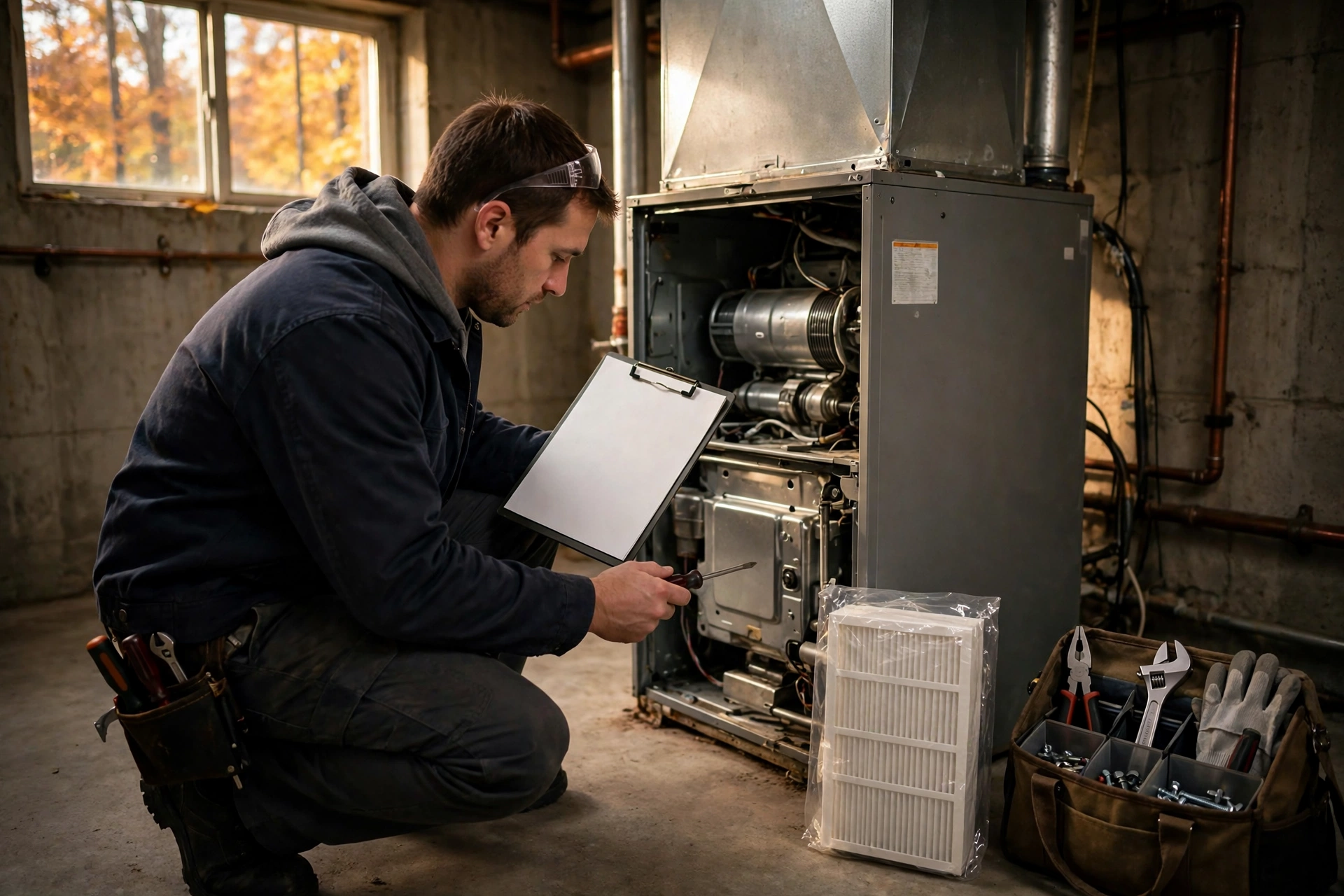
Part by part through a real seasonal tune-up visit.
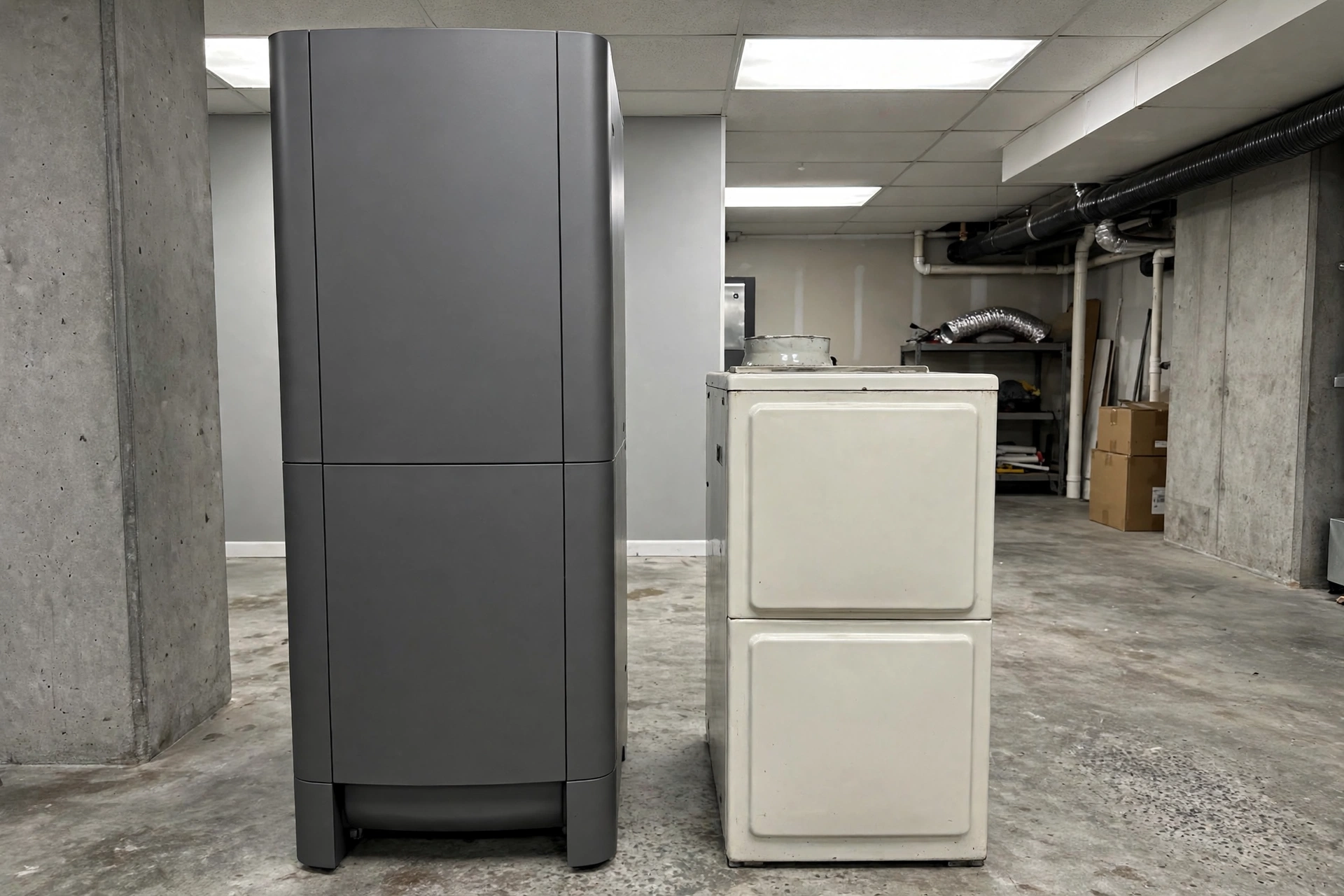
One speed or two, and what that means for comfort.
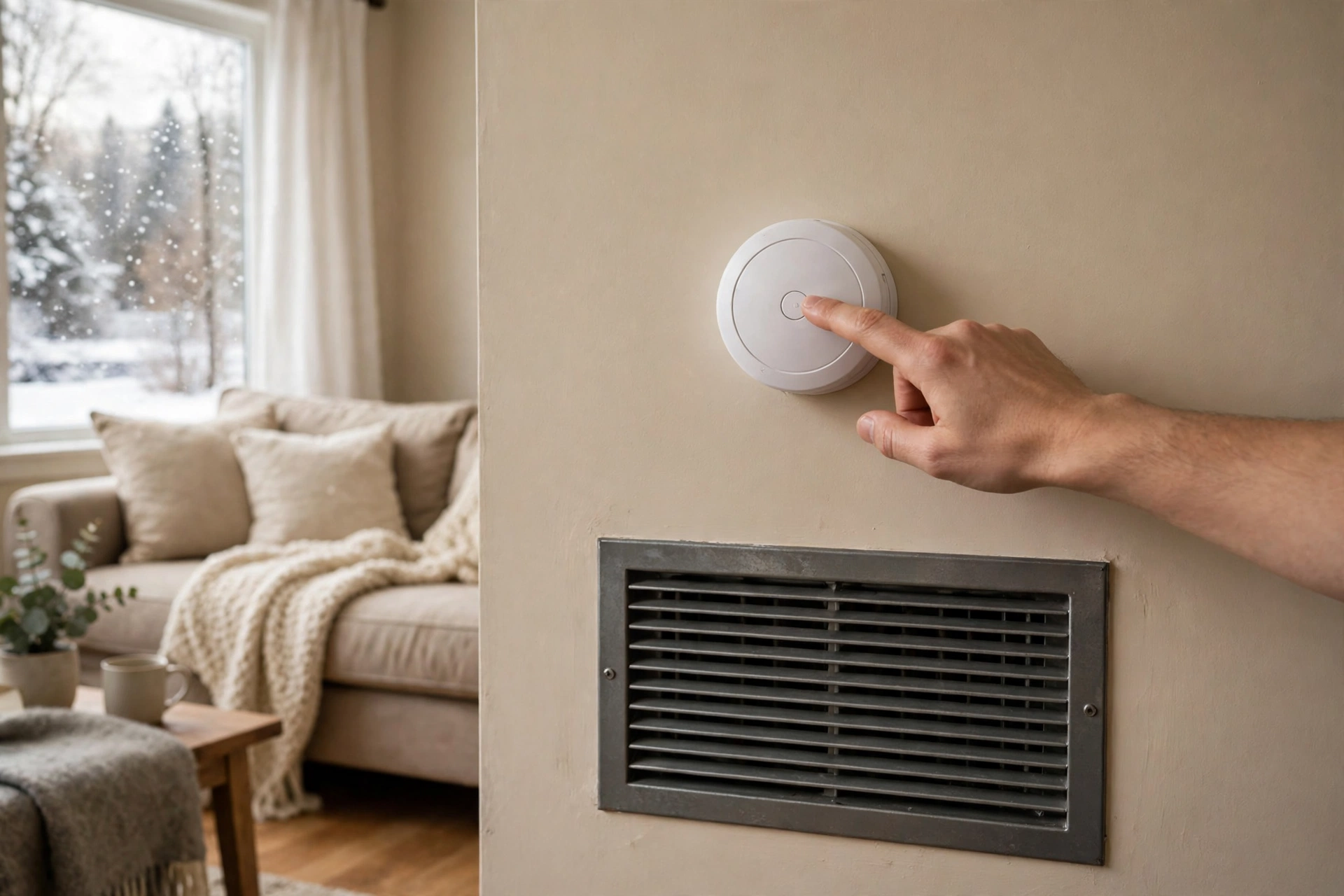
Why tight homes need working alarms and clear venting.
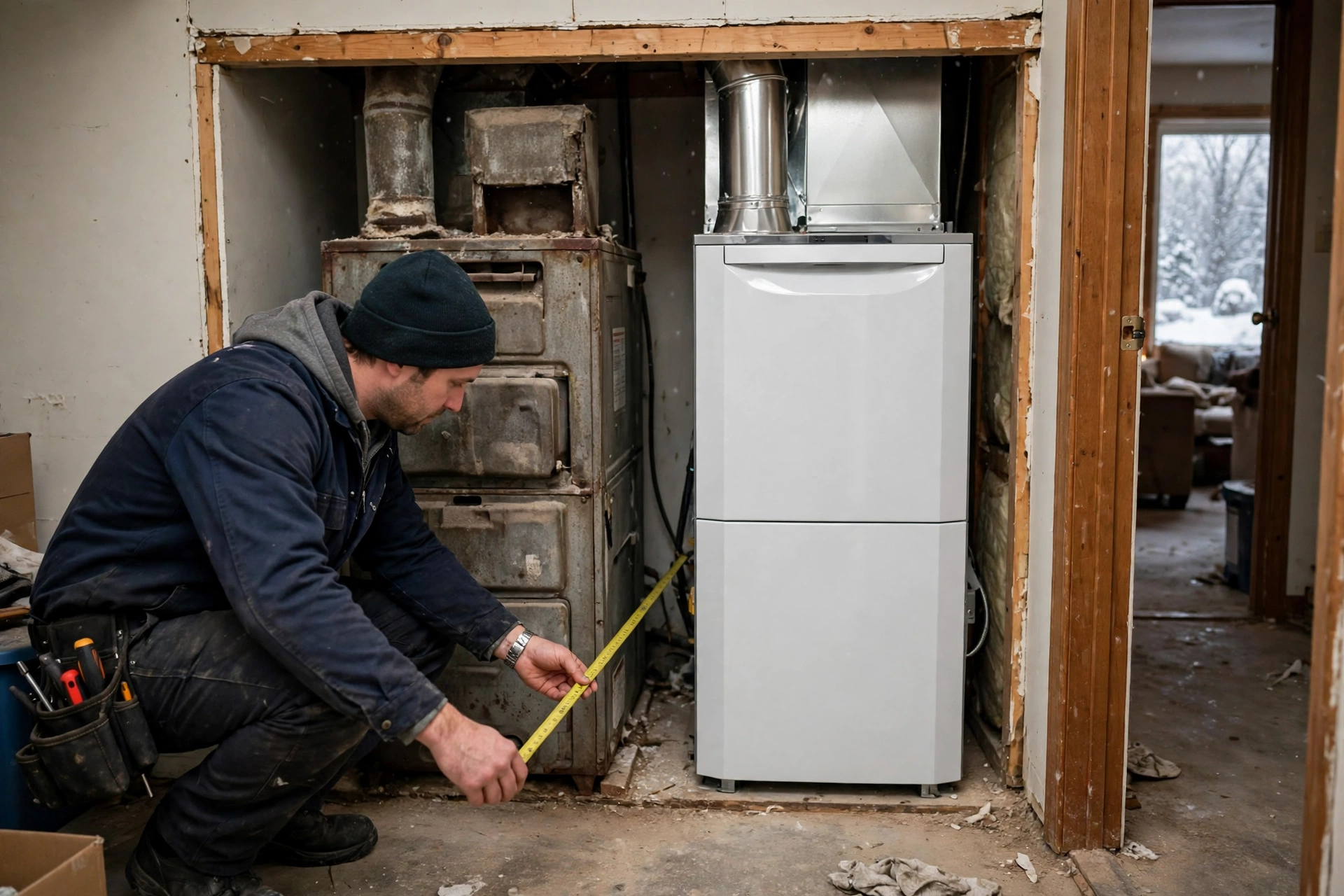
Sizing a replacement to the house as it stands today.
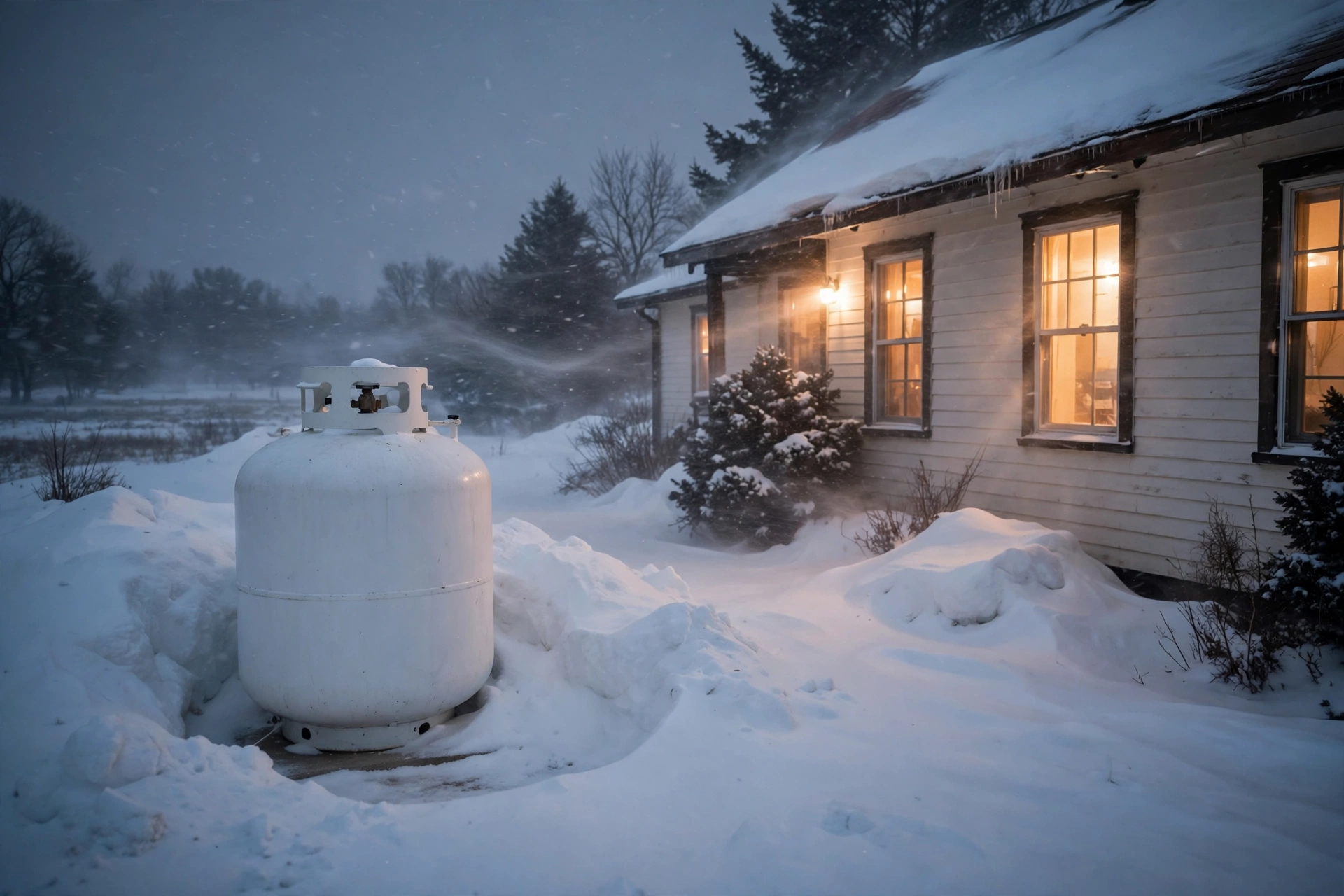
Tank levels, delivery timing, and storm readiness.
What to protect in the house when heat stops at night.
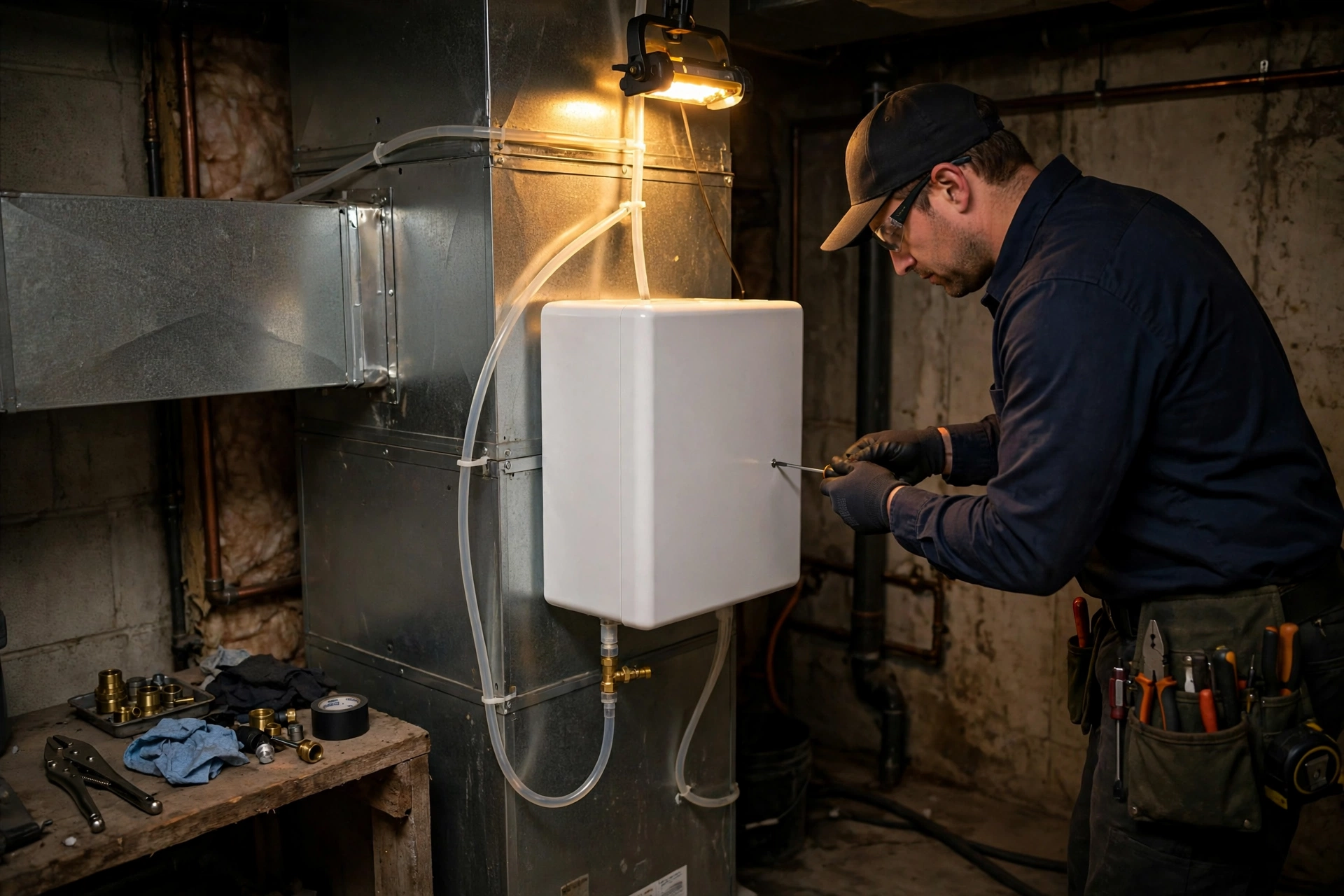
Dry winter air, and how humidity travels through ductwork.
Thirteen posts, grouped by the problem that sends a homeowner looking.
Breakdowns, cold snaps, and frozen pipes — what to check first.
January Cold Snaps and Furnace Failures: What to Check First
A Furnace Breakdown at 2 a.m. — and How to Protect Your Pipes
Gas Furnace Vent Freeze-Ups: Why They Happen and What to Do
Why a Minnesota Winter Puts Extra Strain on Your Furnace
Checklists, tune-ups, and sizing — getting more heat from the furnace you have.
Your Pre-First-Freeze Furnace Checklist for St. Cloud
An October Furnace Tune-Up, Step by Step
Two-Stage or Single-Stage Furnace: Which Fits Your Home?
Furnace Sizing: Why Old and New Homes Need Different Answers
Whole-Home Humidifiers and Dry Winter Air: A Homeowner Guide
Carbon monoxide, space heaters, storms, and older homes.
Carbon Monoxide Safety in a Sealed-Up Winter Home
Furnace or Space Heater in a Cold Snap? What Actually Heats a Home
Rural Propane Furnace Planning Before a Winter Storm
Heating an Older St. Cloud Home Without Cold Rooms
Call Quarry Furnace Co. about your furnace — repair, replacement, and tune-ups in St. Cloud and the towns around it.
(320) 389-8174Straight answers about reading and using the blog.
The blog explains furnace problems in plain language before they become emergencies: why a furnace fails in a cold snap, what a tune-up actually checks, and how sizing, venting, and controls affect the heat in your home. Each post ends by pointing at the service page that covers the topic in full.
Start with the post that matches your situation. If the furnace has stopped, read the middle-of-the-night breakdown post. If winter is coming, read the pre-first-freeze checklist. If the house feels uneven, the furnace-strain and sizing posts explain why a system that coped in autumn struggles in January.
No. The posts help you describe symptoms clearly, check the safe basics like the thermostat and the filter, and understand what a technician will look at. They do not replace diagnosis, and anything involving gas, electrical parts, or the burner compartment should be left to a technician.
Because winter air in a heated Minnesota home gets very dry, and a whole-home humidifier works through the furnace ductwork. The post is a blog topic only, not a service page: it explains how humidity, static, dry skin, and woodwork relate to heating, and what to ask about before adding one.
The posts cover gas, electric, and propane furnaces across the thirteen topics, with some posts leaning toward one fuel where the problem belongs to it — vent freeze-ups for gas, storm planning for rural propane, and sizing questions that apply to any new furnace. The service pages carry the fuel-specific detail.
Once before the heating season is enough for most homes: read the October tune-up walkthrough and the pre-first-freeze checklist in autumn, then come back when a problem appears. The cold-snap, vent, and carbon monoxide posts are the ones worth knowing about before January, not during it.