St. Cloud, Minnesota(320) 389-8174info@furnacerepairsaintcloudmn.com823 1st St S, St Cloud, MN 56301, USA
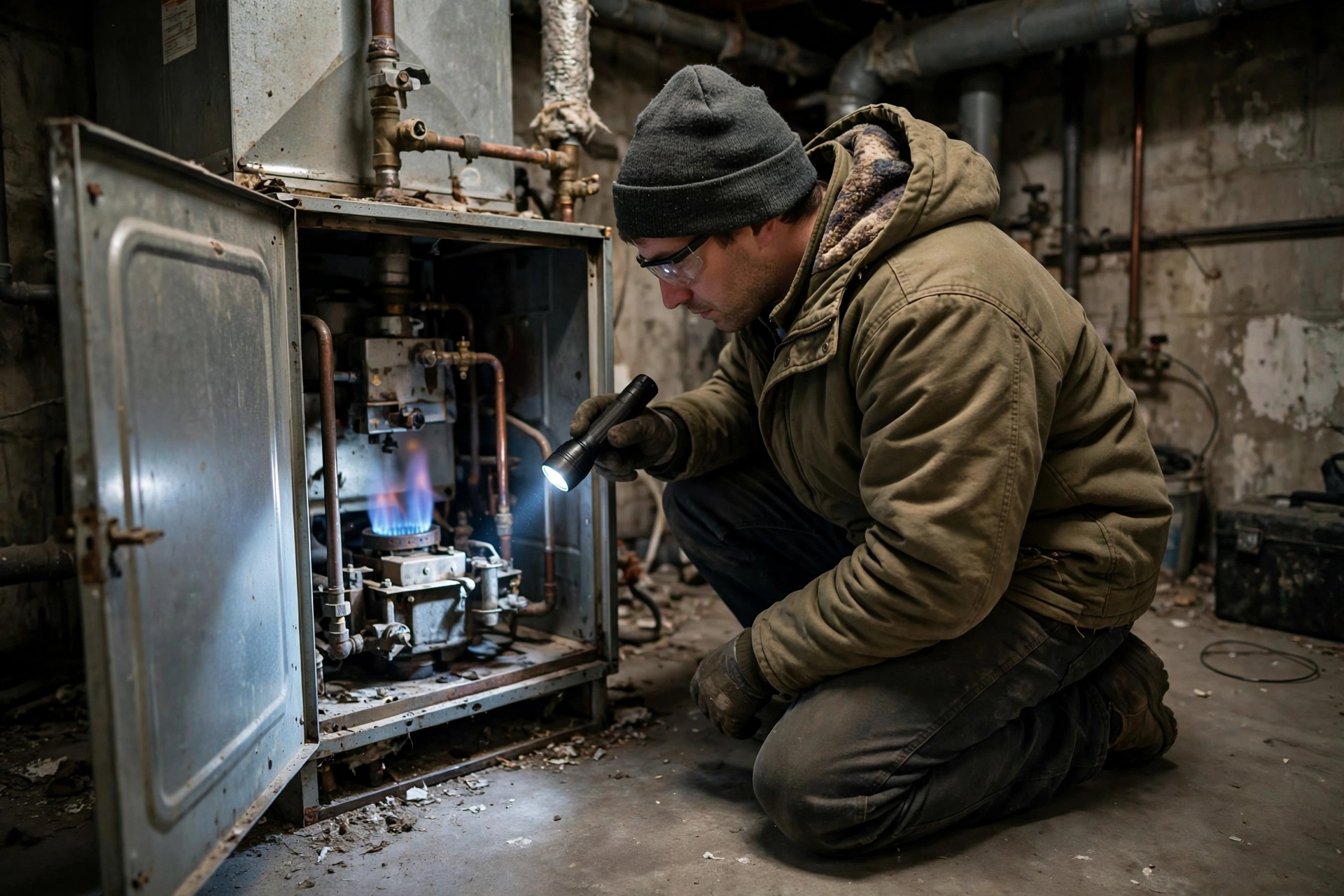
A technician inspecting the burner compartment of a gas furnace
Gas Furnace Services · St. Cloud, Minnesota

Gas Furnace Services in St. Cloud

Most St. Cloud homes heat with natural gas, and a gas furnace rewards steady attention: clean burners, a sure ignition, and a vent path that carries exhaust safely outside. We service gas furnaces from the gas valve to the flue, with combustion and safety testing on every visit.

Call (320) 389-8174Book a Tune-Up & Safety Check

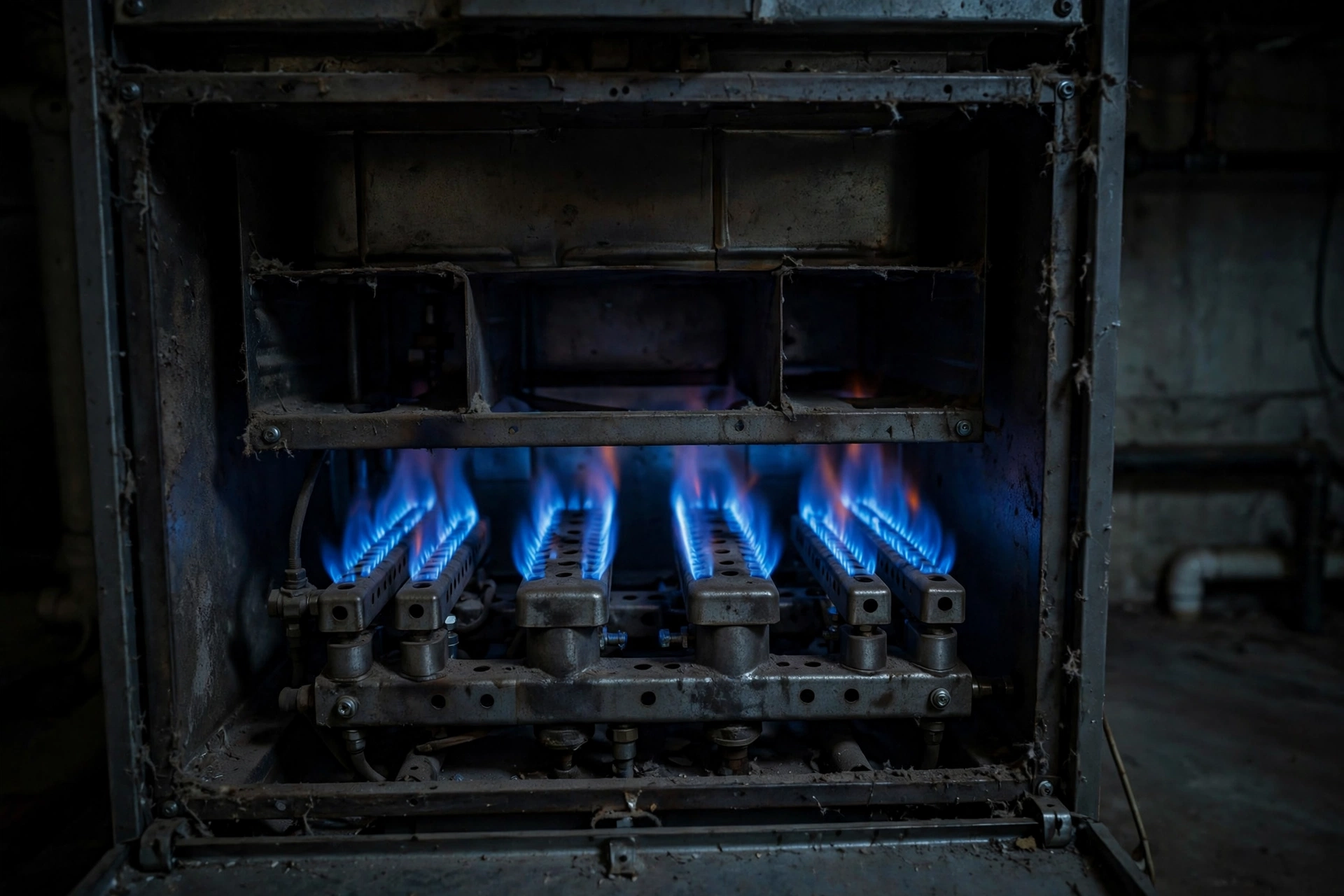
A technician checking gas burner flames through a furnace inspection window

Burners, Ignition, and Flame Sensing

A gas furnace lights in a strict sequence: the inducer fan starts, the pressure switch proves the vent path is clear, the ignitor glows or sparks, the gas valve opens, and the flame sensor confirms a flame is present. If any step fails, the furnace locks out rather than filling the cabinet with unburned gas. That sequence protects the home, but it also means one tired part — a weak ignitor, a sooty flame sensor, a sticking gas valve — can leave you without heat on a cold night.

We clean burners so the flame burns blue and steady rather than yellow and lifting, test the ignitor's draw with a multimeter, and clean or replace flame sensors that have grown coated with oxide. Gas pressure is checked with a manometer against the manufacturer's specification, because pressure that runs high wastes fuel and pressure that runs low starves the flame. For a home considering a change of system altogether, our installation and replacement page covers how a new gas furnace is sized and fitted.

Venting and Combustion Air

Burned gas has to leave the home completely, and that depends on the vent. Older furnaces often vent through a metal flue into a chimney, while newer high-efficiency models use plastic PVC venting through a side wall, with a separate pipe bringing in outdoor combustion air. Both routes can fail: a flue can rust or separate at a joint, a side-wall vent can ice over in a January freeze, and a furnace room starved of combustion air can spill exhaust back into the home.

We inspect the full vent route for corrosion, sagging, disconnected joints, and blocked terminations, and we check that the furnace room has the combustion air its specification requires. A combustion analyser reading tells us whether the burner is running cleanly or producing excess carbon monoxide, and that reading guides adjustment rather than guesswork. If the vent problem turns out to be a cracked heat exchanger rather than a vent joint, our heat exchanger services explain how that part is inspected and what the findings mean.

Minnesota winters add one more vent hazard: frost. A high-efficiency furnace's outdoor vent termination can ice shut during long cold spells, tripping the pressure switch and shutting the furnace down. Keeping that termination clear of snow and ice is a simple homeowner habit worth building into winter routines, and it is one of the checks on our tune-up and safety inspection visits.

A technician testing a gas furnace with a handheld combustion analyser

Carbon Monoxide Safety

Carbon monoxide is colourless and odourless, and a gas furnace with a cracked heat exchanger, a blocked vent, or a badly adjusted burner can produce it. That is why combustion testing matters: an analyser measures carbon monoxide in the flue gas and in the air around the furnace, and readings outside the normal range are a reason to stop and investigate, not to carry on.

Every gas furnace visit includes a look at the heat exchanger, the vent, and the burner flame, plus a conversation about carbon monoxide alarms in the home — where they sit, whether they are in date, and whether bedrooms and the furnace room are covered. If an alarm has sounded, the furnace should not simply be reset and forgotten; it should be checked before it runs again. Homes with propane furnaces face the same carbon monoxide risks, and the same testing discipline applies there too.
Gas Furnace Warning Signs

Call sooner rather than later if you notice any of these.

Yellow or wavering flames

A healthy gas flame burns blue and steady. Yellow, lifting, or lazy flames point to burner or air problems.

Repeated lockouts

A furnace that tries, fails, and locks out is usually signalling an ignition, sensor, or vent fault.

Soot or scorch marks

Dark marks around the cabinet or vent joints suggest exhaust is not leaving as it should.

A strange smell near the furnace

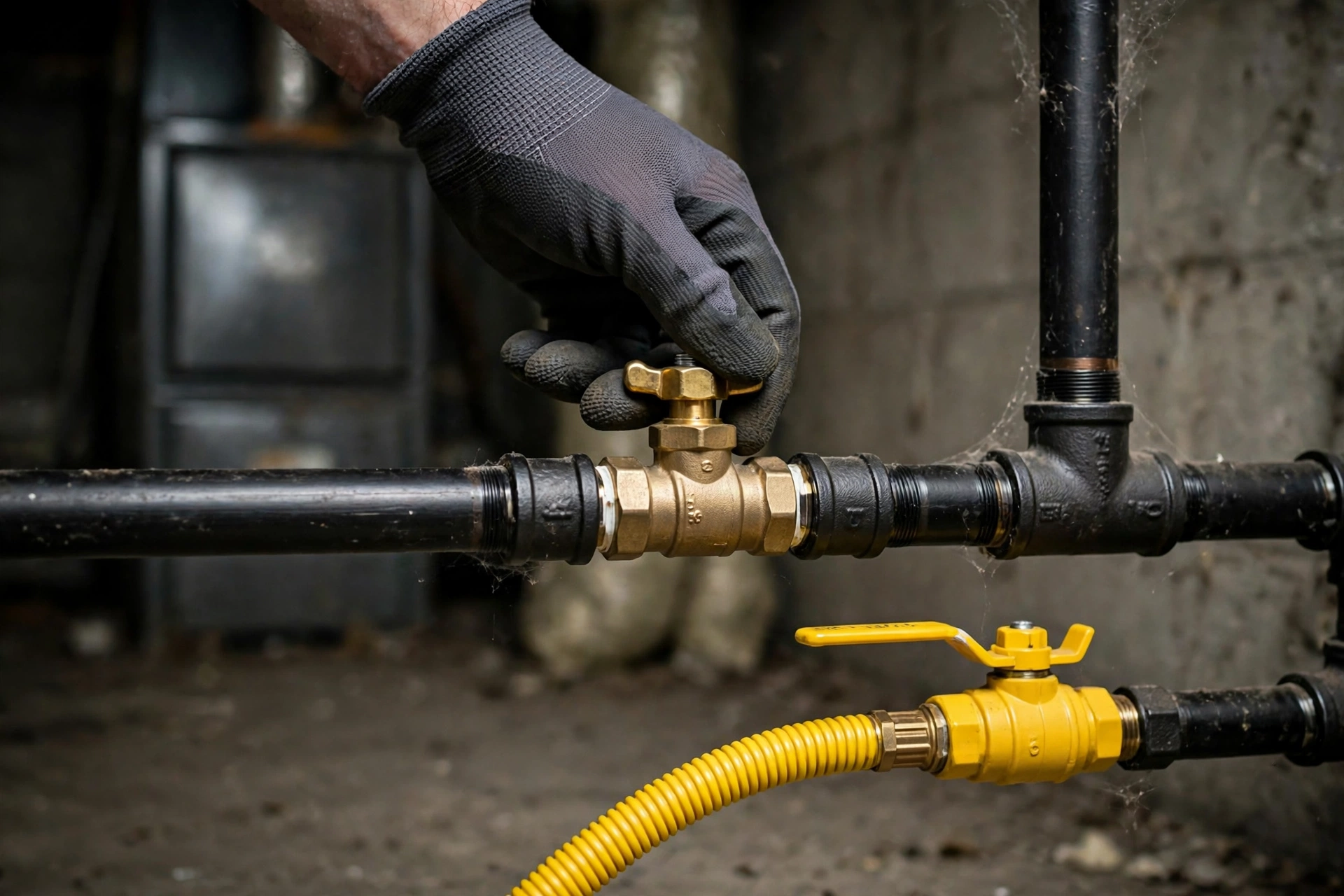
Any smell of gas means leaving the area and calling for help — never relighting a furnace yourself.

A technician replacing a hot surface ignitor inside a gas furnace

Ignitors, Valves, and Controls

The hot surface ignitor is the part most gas furnaces wear out first: a silicon carbide or silicon nitride element that glows white-hot to light the burners, then cools, hundreds of times each winter. A cracked or weakened ignitor may glow without lighting, or light only sometimes, which looks from the outside like a furnace with a mind of its own. We test ignitors rather than guessing, and we carry the common types so a failed one does not mean days without heat.

Beyond ignition, the gas valve, the control board, and the limit switch all have jobs in the sequence. The control board times each step and watches the safety switches; the limit switch shuts the burners down if the cabinet overheats, which is often a symptom of restricted airflow rather than a faulty switch itself. When airflow is the real culprit, our ductwork and airflow work and our blower motor repair page cover the fan side of the system. Controls that misbehave at the wall rather than the furnace are covered under thermostat and zone heating.

Three Ways a Gas Furnace Lights

Ignition has changed over the years. The style in your furnace decides which parts wear and what a visit checks.

Ignition styleHow it lightsWhat wears first
Standing pilotA small flame burns all season and lights the burners when heat is called forThe pilot assembly and thermocouple age with constant use
Hot-surface ignitorAn element glows white-hot to light the burners, then cools between cyclesThe ignitor element itself, which cracks or weakens over many cycles
Spark ignitionA spark jumps across electrodes to light the burners on each call for heatElectrodes and the ignition control that times the spark

The Ignition Sequence in Order

A gas furnace lights in a strict sequence, and each step guards the next.

Inducer fan startsThe fan proves the vent path before anything lights.
Pressure switch checksIt confirms the vent is clear before gas flows.
Ignitor glowsThe element heats until it can light the gas.
Gas valve opensGas reaches the burners in a timed sequence.
Flame sensor confirmsIt proves a flame is present, or the furnace locks out.

If any step fails, the furnace locks out rather than filling the cabinet with unburned gas.

What to Note Before You Call

People Also Ask

Why does my gas furnace keep shutting off after a few minutes?

Short cycling usually traces to overheating from restricted airflow, a dirty filter, closed registers, or a failing limit switch, though flame-sensor and vent faults can cause the same pattern. A technician checks airflow, filter condition, flame sensing, and safety switches in turn, since the fix depends on which of those is actually tripping the shutdown.

Should I worry about carbon monoxide from my gas furnace?

A well-maintained gas furnace with a sound heat exchanger and a clear vent produces very little risk, but cracks, blockages, and poor burner adjustment can change that. Annual combustion testing, a visual heat-exchanger check, and working carbon monoxide alarms in the home are the sensible layers of protection.

What does a yellow burner flame mean on a gas furnace?

A yellow flame usually means the burner is not getting the right mix of gas and air, often because of dirt, a misadjusted air shutter, or low gas pressure. It deserves attention promptly, because incomplete combustion wastes fuel and can raise carbon monoxide levels in the exhaust.

Need a Furnace Technician?

Call Quarry Furnace Co. about your furnace — repair, replacement, and tune-ups in St. Cloud and the towns around it.

(320) 389-8174

Gas Furnace Questions

Answers about burners, ignition, venting, and safety.

How often should a gas furnace be serviced?

Once a year, before the heating season, is the usual rhythm. That visit covers burners, ignition, flame sensing, venting, heat-exchanger inspection, and combustion testing, so small faults are found while the weather is still mild.

Why does my gas furnace blow cold air sometimes?

Cold air at the start of a cycle is normal while the heat exchanger warms up, but cold air throughout a cycle points to an ignition failure, a tripped limit, or a blower running without heat. If the pattern repeats, the furnace should be checked rather than reset again and again.

Is a cracked heat exchanger dangerous?

It can be, because exhaust gases — including carbon monoxide — can escape into the home's air supply. A suspected crack means the furnace should be switched off and inspected promptly, and the findings explained before any decision about repair or replacement.

What causes a gas furnace to lock out?

Lockout follows a failed ignition sequence: no flame proved, a vent path that the pressure switch will not confirm, or a safety switch that has tripped. The lockout itself is a protective behaviour, and the underlying cause should be found before the furnace is reset repeatedly.

Can a gas furnace be converted to propane?

Some gas furnaces can be converted with the manufacturer's conversion kit and a careful re-adjustment of gas pressure and burner orifices, but not every model allows it. The furnace data plate and the manufacturer's instructions decide, and the conversion should be done by a technician, not improvised.

Do you service gas furnaces in Sartell and Sauk Rapids?

Yes. Gas furnace work covers St. Cloud and the surrounding towns, including Sartell, Sauk Rapids, Waite Park, St. Joseph, and the other towns listed on our locations pages. Call (320) 389-8174 and describe what the furnace is doing.

Gas Furnace Acting Up?

Burner, ignition, and vent checks with combustion testing included.

(320) 389-8174

Related Pages