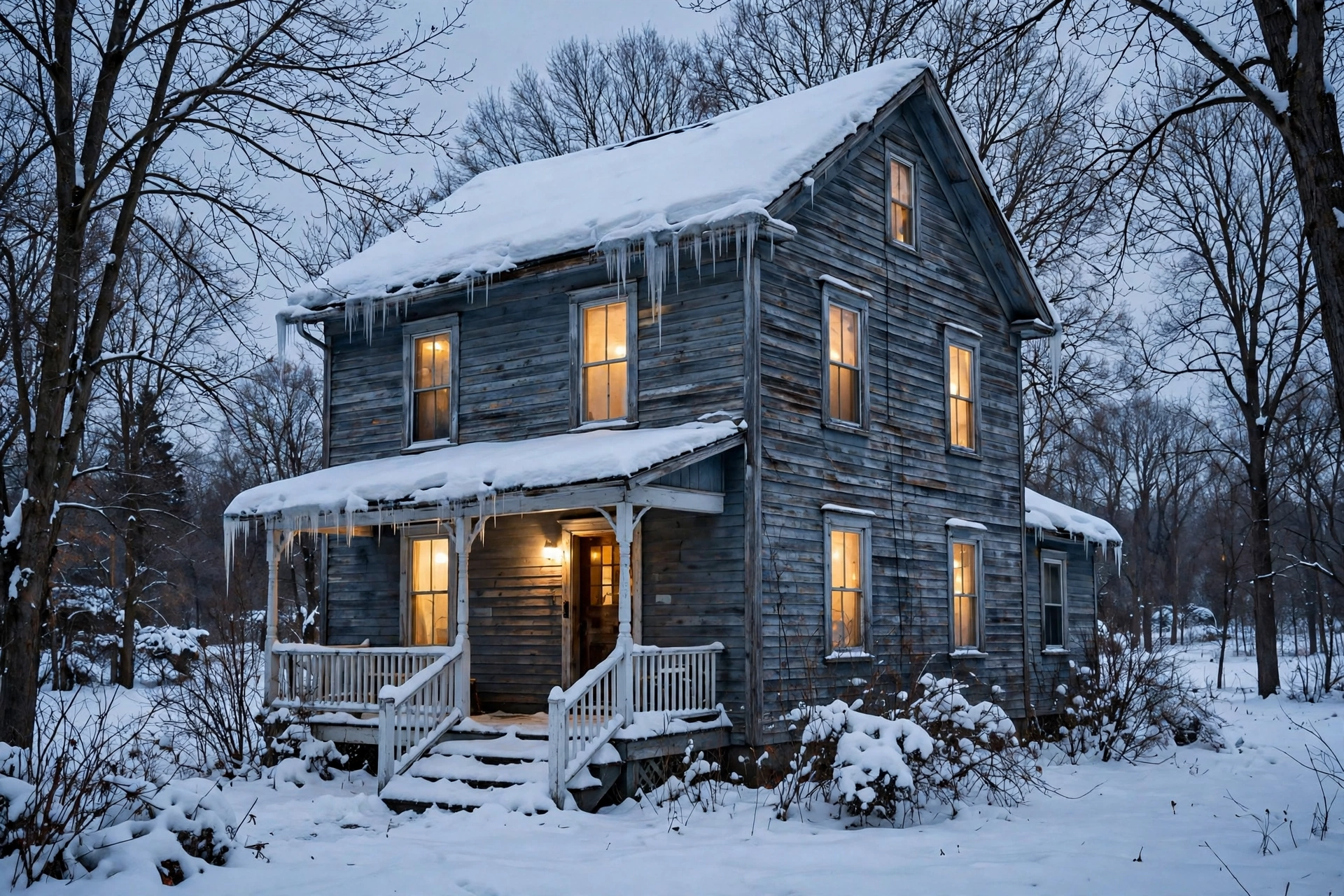
Blog · St. Cloud, Minnesota
Heating an Older St. Cloud Home Without Cold Rooms
Older St. Cloud homes have their own heating puzzles: old ductwork, additions, drafty rooms, and furnaces sized for a different house. Here is how to think through them.
Older St. Cloud homes have their own heating puzzles: old ductwork, additions, drafty rooms, and furnaces sized for a different house. Here is how to think through them.
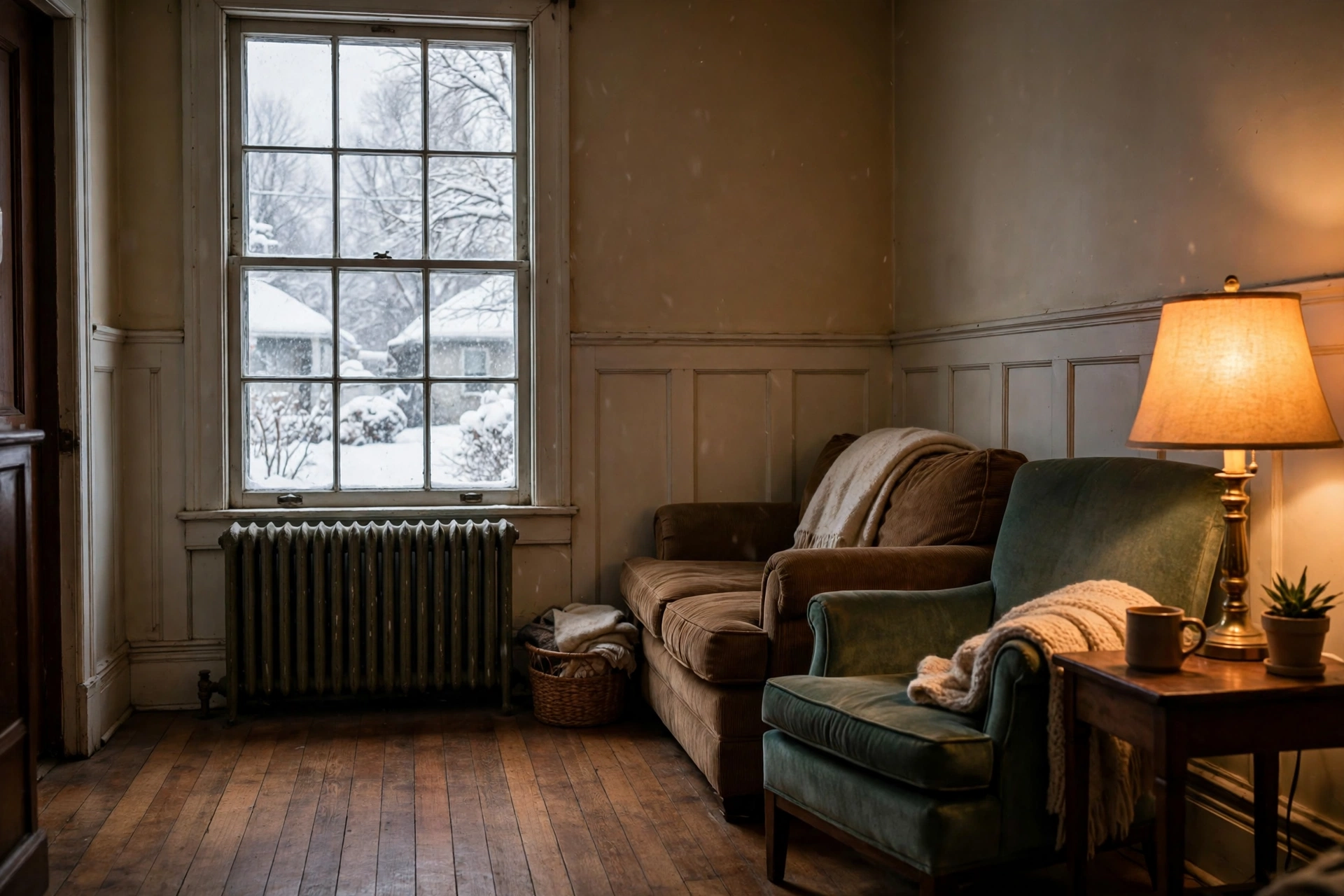
A home built decades ago rarely heats like the house it is today. Rooms were added, walls were moved, a porch became a bedroom, and the ductwork was extended — or not — to match. The furnace, meanwhile, may date from an earlier version of the house, sized for fewer rooms and different insulation. When heat does not reach a room, the cause is often that history, not a single broken part.
St. Cloud's older neighbourhoods, including the Southside Historic District, hold many homes like this: solid structures with layers of change inside them. The heating question for such a home is never just “does the furnace work?” It is “does the whole system — furnace, ducts, controls — still fit the house as it stands now?” Answering that takes a room-by-room look, and our ductwork and airflow services start from exactly that question.
Start by mapping the problem. Which rooms are cold, at what time of day, and does the room warm up if the furnace runs for a long time? A room that never warms up points one way; a room that warms up slowly and then cools fast points another. A far bedroom fed by a long duct run through an unheated attic loses heat along the way. A room over an unheated garage loses heat through its floor. A room with large old windows loses heat faster than the furnace can replace it.
Drafts deserve a careful look, because they feel like a heating failure when they are really an air-leak problem. Check window and door seals on a windy day with a hand held near the frame, and look at attic hatches and basement rim areas where cold air slips in. Sealing the worst leaks can change a room more than turning the thermostat up, and it lowers the load on the furnace at the same time. If the furnace itself is short cycling or struggling, our blower motor repair page explains one of the common mechanical causes, and a tune-up and safety inspection can separate a furnace problem from a house problem.
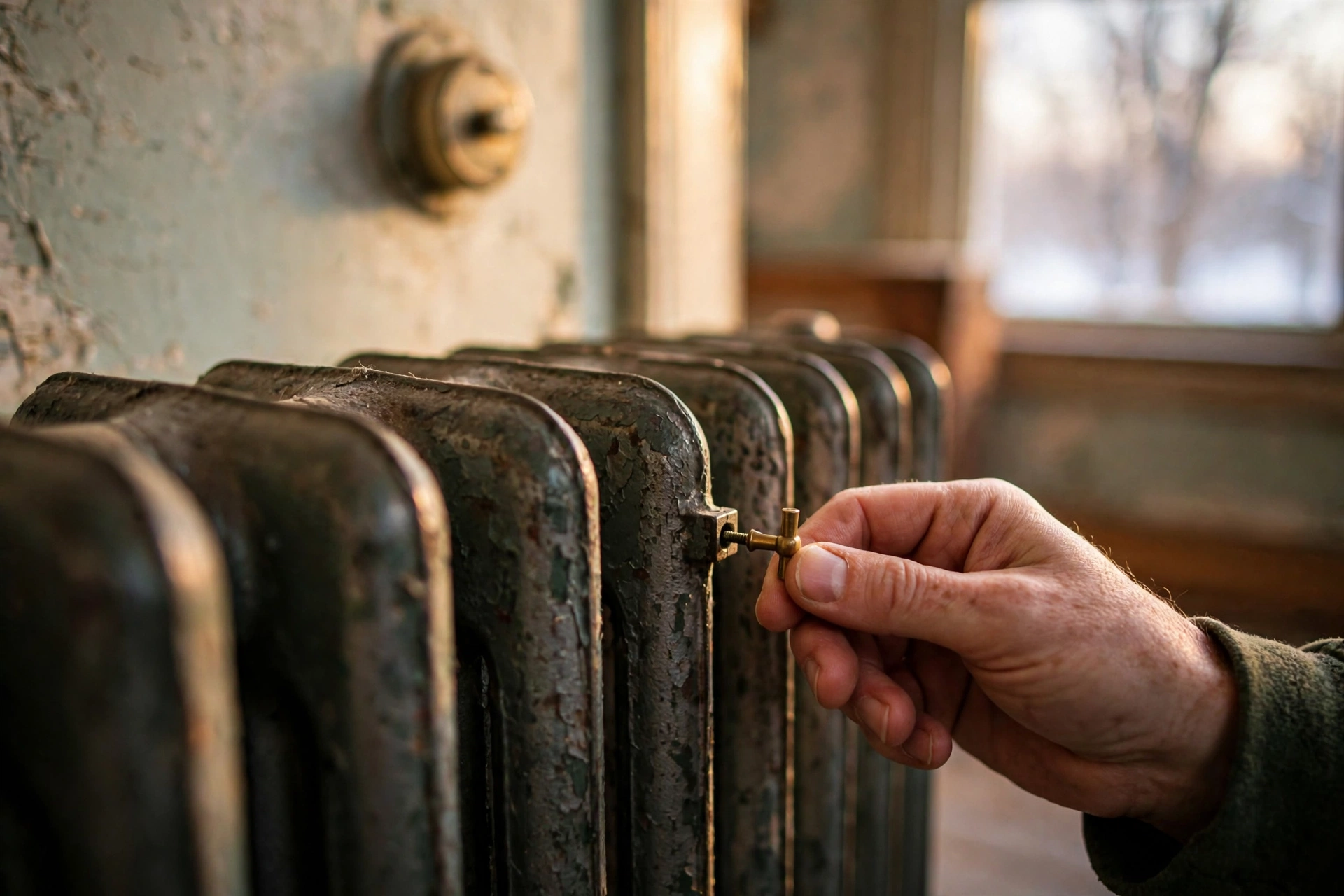
Old ductwork hides its faults. Joints sealed decades ago with tape dry out and leak warm air into basements and attics. Flexible duct added during a remodel can sag or kink. A duct run that once served one room may now serve two after a wall came down, splitting airflow that was already thin. None of this shows from the thermostat, and all of it shows up as rooms that never quite warm up.
A duct inspection looks at the runs, the joints, the dampers, and the return-air path — because a room with a supply register but no way for air to return to the furnace will pressurize and resist new warm air. Balancing dampers can then shift more air to the rooms that need it. For homes where one thermostat cannot satisfy two very different parts of the house, our thermostat, controls, and zone heating page explains zoning, which lets different areas call for heat on their own schedules.
Sometimes the honest answer is that the furnace no longer matches the home. A furnace installed when the house was smaller, before an addition or a finished basement, may run long cycles and still leave new rooms cold. The opposite happens too: a furnace replaced at oversized capacity heats quickly, shuts off, and leaves cold spots because the blower never runs long enough to circulate air evenly — the short-cycling pattern we explain in our post on furnace sizing for old and new homes.
Before replacing anything, get the system measured against the house as it is now: room sizes, duct runs, insulation levels, and window areas all feed into that judgement. A replacement chosen from the old furnace's size label alone repeats the old mistake. Our furnace installation and replacement page describes how that sizing conversation works, and homes in St. Joseph and the surrounding towns face the same older-home pattern as St. Cloud itself. You can start that conversation from our contact page.
Older homes reward patience. Seal the worst drafts first, then fix the duct leaks a technician finds, then look at controls and zoning, and only then judge whether the furnace itself needs replacing. Each step lowers the load on the next one, and the house gets more comfortable at every stage instead of waiting for a single large project to solve everything at once.
Keep a simple winter log for one season: which rooms are cold, when, and what the thermostat reads. That log turns a vague complaint — “the house is cold” — into a pattern a technician can work with, and it shows whether each improvement actually moved the needle. Comfort in an older home is rarely about one part; it is about the furnace, the ducts, and the house itself working together.
Warm air rises, but it also escapes through an older roof and attic faster than through insulated walls, and long duct runs to upper rooms lose heat along the way. The result is often a warm lower floor and cold bedrooms upstairs. Duct balancing, attic air sealing, and zoning each address a different part of that pattern.
Fix the ductwork and air leaks first if the furnace itself runs reliably, because a new furnace pushing air through leaky ducts repeats the old problem. If the furnace is failing, short cycling, or clearly the wrong size for the house today, sizing and replacement move to the front of the line.
Not a different kind, but often a better-placed one. A thermostat in a drafty hallway or beside a heat source reads the wrong temperature and heats the whole house to suit one bad spot. Moving it, or adding zoning, can matter more in an older home than in a newer one with even temperatures.
Call Quarry Furnace Co. about your furnace — repair, replacement, and tune-ups in St. Cloud and the towns around it.
(320) 389-8174Answers about this topic, in plain language.
Older homes usually combine several eras of change: additions, moved walls, extended ductwork, and a furnace sized for an earlier version of the house. Heating them well means looking at the furnace, the ducts, and the house envelope together, not replacing one part and hoping the rest follows.
Additions often sit at the end of the longest duct run, over an unheated space, or with less insulation than the original house. Any one of those starves the room of heat. A duct and airflow check finds which cause applies, and zoning can give the addition its own control.
Yes, because every draft is heat the furnace has already paid to produce escaping the house. Sealing window and door leaks, attic hatches, and basement rim areas lowers the heating load, so the furnace cycles less and the rooms it serves stay warmer for longer.
Signs include rooms that never warm up, dust streaks near duct joints, a furnace that runs long cycles, and warm air felt in the basement or attic where no register exists. A technician can inspect the runs and joints directly and measure airflow room by room.
Usually not. An oversized furnace heats fast, shuts off quickly, and leaves cold spots because air never circulates long enough. The right answer starts with measuring the house as it is now, fixing duct and envelope problems, and then sizing the furnace to that real load.
Tell them which rooms are cold and when, what additions or remodels the house has had, how old the furnace is if you know, and whether last winter brought short cycling or uneven heat. That history points the diagnosis at the system as a whole instead of one isolated part.