St. Cloud, Minnesota(320) 389-8174info@furnacerepairsaintcloudmn.com823 1st St S, St Cloud, MN 56301, USA
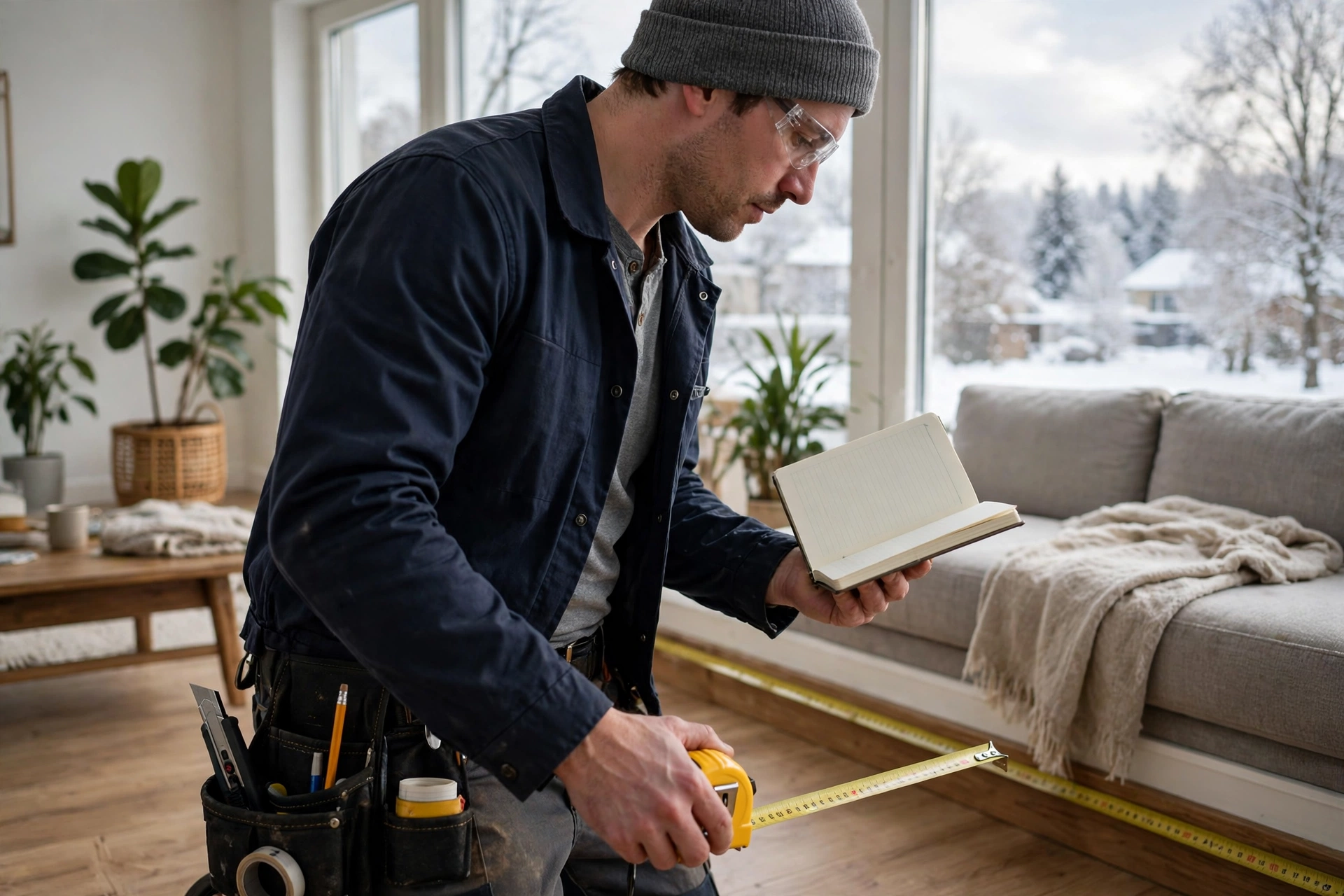
Technician measuring a room and checking furnace size calculations
Blog · St. Cloud, Minnesota

Furnace Sizing: Why Old and New Homes Need Different Answers

A furnace sized for a 1970s house is not automatically right for that house today, and a new home needs a different calculation entirely. Here is how sizing actually works.

Call (320) 389-8174Our Services

Sizing is a heat-loss calculation, not a guess from the old label

The right furnace size comes from how much heat the house loses on a cold day, room by room: floor area, ceiling height, insulation levels, window sizes and types, air leakage, and the local climate. A technician or designer works through those numbers, often with a formal load calculation, and arrives at a heating output the house actually needs. The old furnace's size label is not that calculation; it is a record of what someone chose years ago, for a house that may have changed since.

That distinction matters most in older homes. Insulation may have been added, windows replaced, an addition built, or a basement finished — each change moves the heat loss, usually downward, which means the old size may now be too large. In a new home, the calculation starts clean: tight construction, known insulation, and ductwork designed alongside the furnace. The two houses need different answers because they lose heat differently, and our furnace installation and replacement page describes how that sizing conversation is handled in practice.

Furnace data plate showing model and capacity information

Too big is a real problem, not a safety margin

Homeowners often assume a larger furnace is a safe choice — more heat, faster warming, a margin for the coldest nights. In practice, an oversized furnace heats the house too quickly, satisfies the thermostat, and shuts off before air has circulated to far rooms. Then the house cools, the furnace fires again, and the cycle repeats all day. That short cycling wears ignition parts and the blower motor, leaves cold spots, and can overheat the heat exchanger because airflow never settles into a steady pattern.

An oversized furnace also costs more to buy and, because it runs in bursts rather than steady cycles, does not deliver the comfort its size promises. The classic symptom is a house that feels warm near the thermostat and cold in the far bedrooms, with a furnace that seems to be working hard all day. If that pattern sounds familiar, our post on furnace strain in a Minnesota winter explains the wear side, and a tune-up and safety inspection can confirm whether short cycling or airflow is the cause in your home.
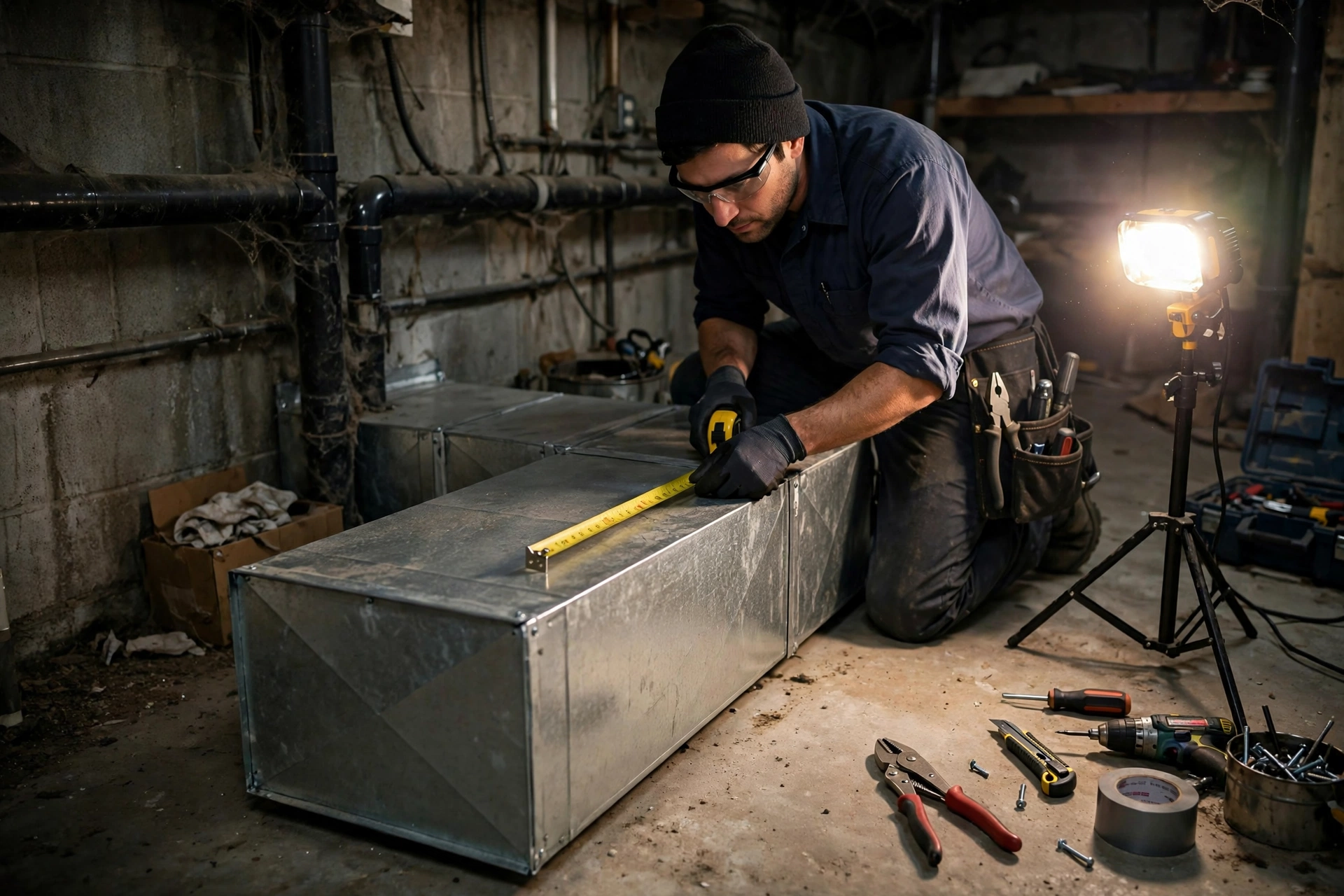
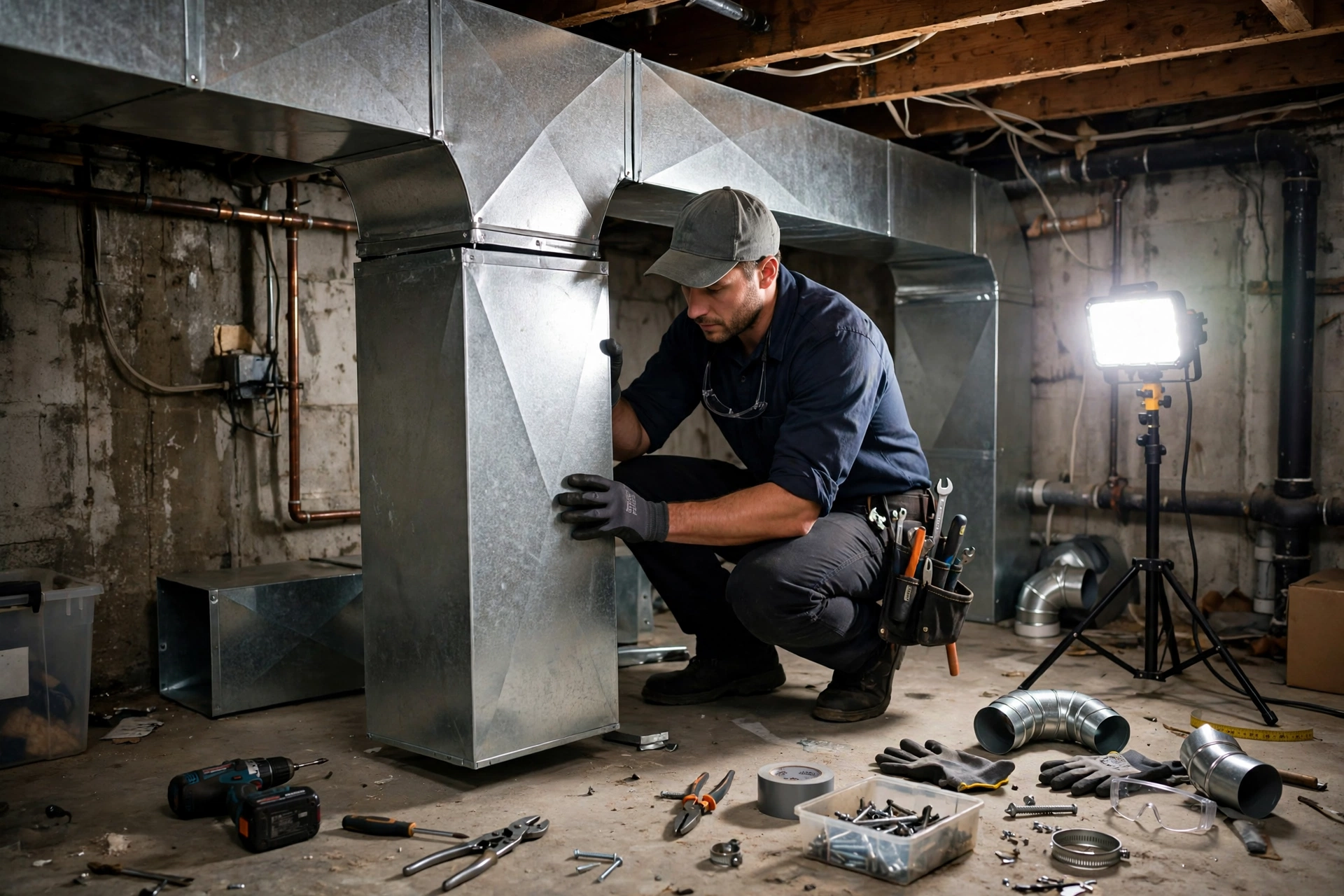
Ductwork and furnace together in a basement mechanical room

Too small fails differently, and more obviously

An undersized furnace runs almost continuously in cold weather and still cannot hold temperature. The house drifts colder as the night deepens, the furnace never rests, and the coldest rooms fall furthest behind. Unlike oversizing, undersizing is hard to mistake for anything else: the furnace is plainly running its hardest and losing. It usually traces to a house that grew — an addition, a finished basement, a converted garage — without the heating system growing with it.

The fix for undersizing is not simply a larger furnace either, because the ducts must carry the extra air. A larger furnace pushing air through ducts sized for a smaller one raises pressure, noise, and heat-exchanger temperatures. Sizing and ductwork are one decision: the furnace output, the blower capacity, and the duct sizes must match each other and the house. Our ductwork and airflow services page explains the duct half, and our post on heating older St. Cloud homes looks at houses that changed after their furnaces were chosen.

What a proper sizing conversation covers

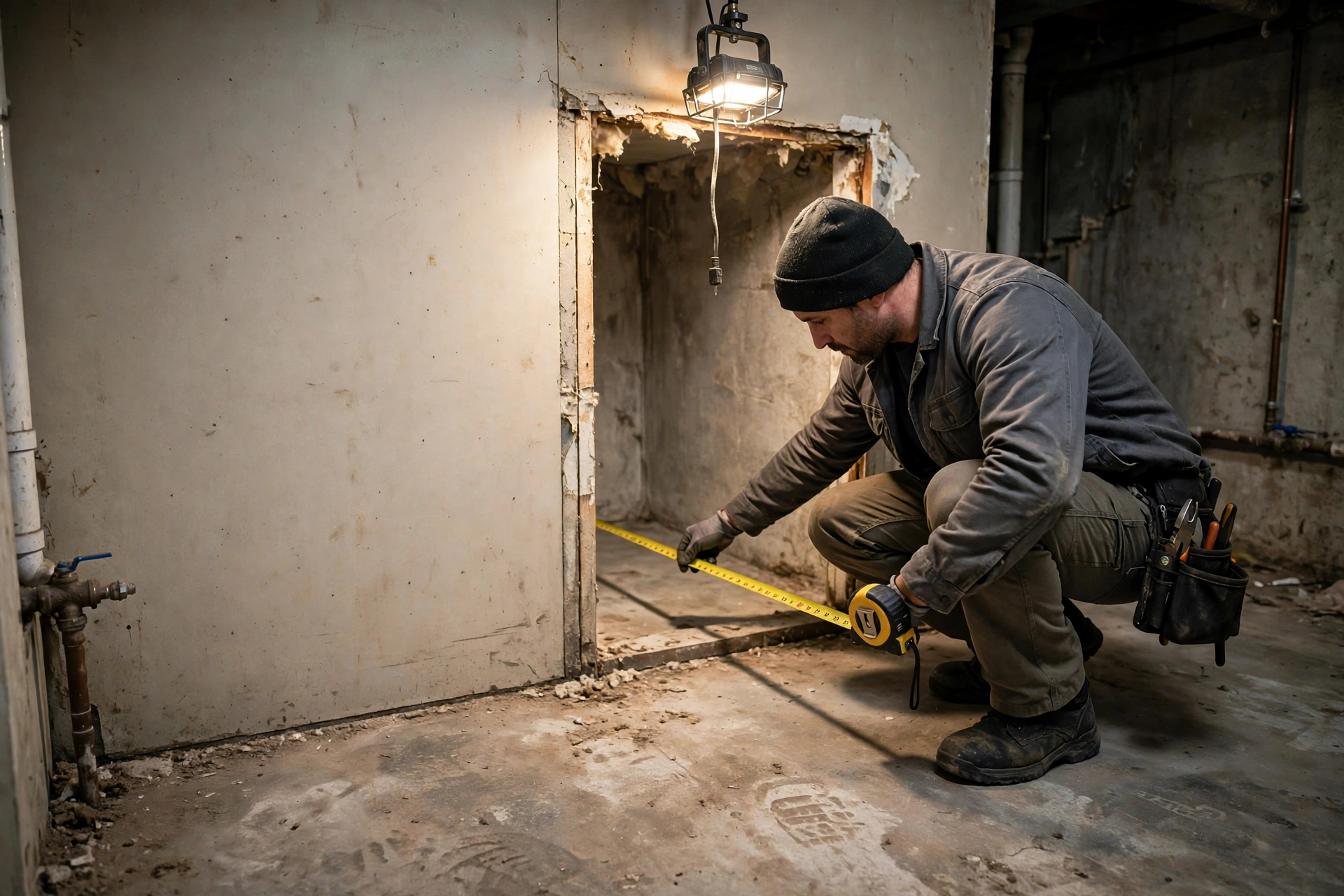
A proper conversation starts with the house as it is now, not as it was built. Expect questions about additions, remodels, window replacements, and insulation work, and expect measurements of rooms and duct runs rather than a glance at the old furnace label. Expect the ductwork to be part of the discussion, because a correctly sized furnace on undersized ducts performs like a wrongly sized one. And expect staging to come up: a two-stage furnace can soften a sizing compromise, running in low stage most of the season, but it cannot rescue a furnace far too large for the house.

For a new home, the same conversation is simpler but no less important: the load calculation follows the plans, the ducts are designed to match, and the furnace is chosen for the finished house rather than for a rule of thumb. Rules of thumb based on floor area alone ignore insulation, windows, and air leakage, and they are how oversized furnaces happen. If a quote gives you a size without measurements or a load calculation, ask what the calculation was based on — the answer tells you a great deal about the quote.

Homeowner and technician discussing furnace options in a home

Signs your current furnace may be the wrong size

Look for the patterns rather than a single event. Short cycling with cold far rooms points toward oversizing. Continuous running that cannot hold temperature points toward undersizing. A house that heats unevenly despite a clean filter and open registers may have either problem, or a duct problem masquerading as one. Note the pattern over a week of cold weather, including which rooms are affected and how long each heating cycle lasts.

Bring that pattern to the conversation, along with the house's change history: additions, finished spaces, window work, and insulation work. A technician can then measure rather than guess, and the replacement — if one is needed — will be sized for the house you live in now. You can start from our contact page, and homeowners in Waite Park and Sartell face the same sizing question whenever a house outgrows its furnace.

People Also Ask

How do I know what size furnace my house needs?

The size comes from a heat-loss calculation covering room sizes, insulation, windows, air leakage, and climate, not from floor area alone or from the old furnace label. A technician measures the house as it is now, including additions and insulation changes, and matches the furnace output and ductwork to that calculated load.

Is it better to buy a slightly bigger furnace just in case?

No. A furnace that is too large short cycles, wears its parts faster, leaves far rooms cold, and costs more to buy, all while delivering less comfort than a correctly sized one. The safety margin for the coldest nights is already built into a proper load calculation, so oversizing adds problems without adding protection.

Can a furnace be too small even if it runs all day?

Yes. An undersized furnace runs continuously in cold weather and still cannot hold temperature, because the house loses heat faster than the furnace can replace it. That pattern usually follows a house growing — an addition or finished basement — without the heating system growing with it.

Need a Furnace Technician?

Call Quarry Furnace Co. about your furnace — repair, replacement, and tune-ups in St. Cloud and the towns around it.

(320) 389-8174

Frequently Asked Questions

Answers about this topic, in plain language.

How is furnace size measured?

Furnace size is its heating output, the amount of heat it can produce, matched against the house's heat loss on a cold day. The load calculation works room by room from insulation, windows, air leakage, and climate, and the furnace is chosen to meet that load with its ductwork.

Why was my old furnace a different size from my new one?

Because the house changed, or because the original sizing was a guess. Insulation, new windows, additions, and finished spaces all change heat loss, so a replacement sized from a fresh calculation often differs from the furnace it replaces, and that difference is usually a correction.

Does a bigger furnace heat a house faster?

It heats the air near the thermostat faster, then shuts off before warm air reaches far rooms, so the house as a whole does not feel warmer. A correctly sized furnace heats steadily and circulates air long enough for every room to catch up, which feels more comfortable than a fast burst.

Can ductwork make a correctly sized furnace perform badly?

Yes. Undersized, leaky, or poorly routed ducts cannot carry the furnace's air to the rooms that need it, raising pressure and leaving rooms cold. Sizing and ductwork are one decision, and both must be checked when a furnace is replaced.

Does a two-stage furnace solve a sizing mistake?

It softens a small mismatch, because low stage runs more gently than full output, but it cannot fix a furnace far too large for the house, which will short cycle even in low stage. Staging is a comfort feature on top of correct sizing, not a substitute for it.

Should a new home and an old home use the same sizing method?

The method is the same — a room-by-room heat-loss calculation — but the inputs differ. A new home's calculation follows its plans and tight construction, while an older home's must account for its changes: additions, insulation work, window replacements, and ductwork that grew in stages.

Call About Your Furnace

St. Cloud and the towns around it.

(320) 389-8174

Related Pages