St. Cloud, Minnesota(320) 389-8174info@furnacerepairsaintcloudmn.com823 1st St S, St Cloud, MN 56301, USA
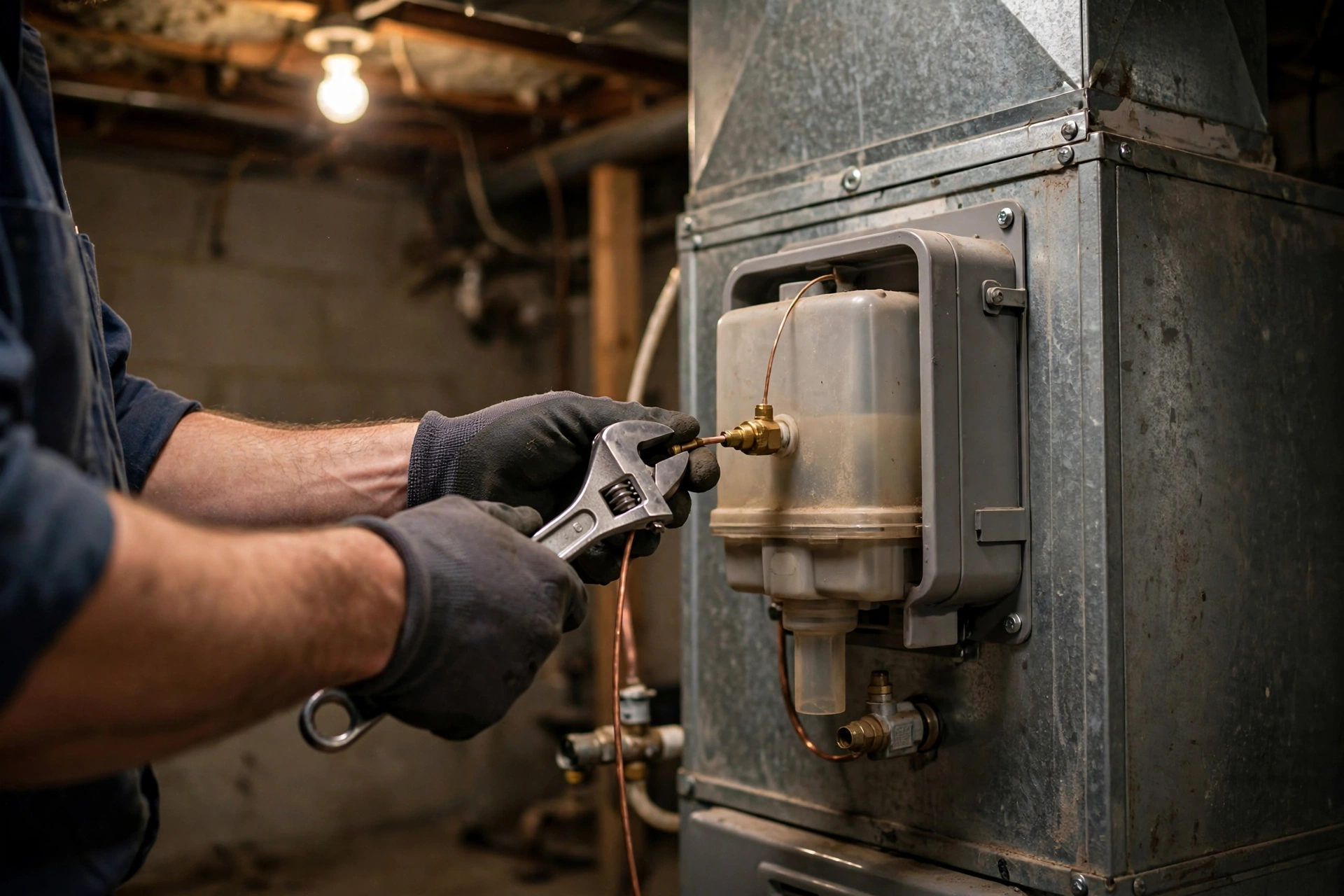
Humidifier unit mounted beside a furnace in a basement
Blog · St. Cloud, Minnesota

Whole-Home Humidifiers and Dry Winter Air: A Homeowner Guide

Minnesota winter air is dry, and heated indoor air is drier still. This guide explains what whole-home humidifiers do, how they differ, and what to watch for — as general homeowner information.

Call (320) 389-8174All Blog Posts

Why heated winter air feels so dry

Cold outside air holds very little moisture, even when it feels damp as snow. When that air comes inside and is heated, its capacity to hold moisture grows, but its actual moisture does not — so the relative humidity, the measure that matters for comfort, falls sharply. A Minnesota home in January can sit far drier indoors than the same home in June, even with no change in habits, because the heating system is warming cold, dry air all day, every day.

That dryness shows up in familiar ways: dry skin and lips, a scratchy throat in the morning, static shocks from door handles and sweaters, and wood that shrinks — gaps in hardwood floors, a piano drifting out of tune, wooden furniture joints loosening over a season. None of those, alone, proves the house needs a humidifier, but together they describe the dry-air pattern of a heated winter home. This guide explains the equipment that addresses it, so a homeowner can judge the options with clear information.

Humidifier unit mounted on ductwork beside a furnace

What a whole-home humidifier actually does

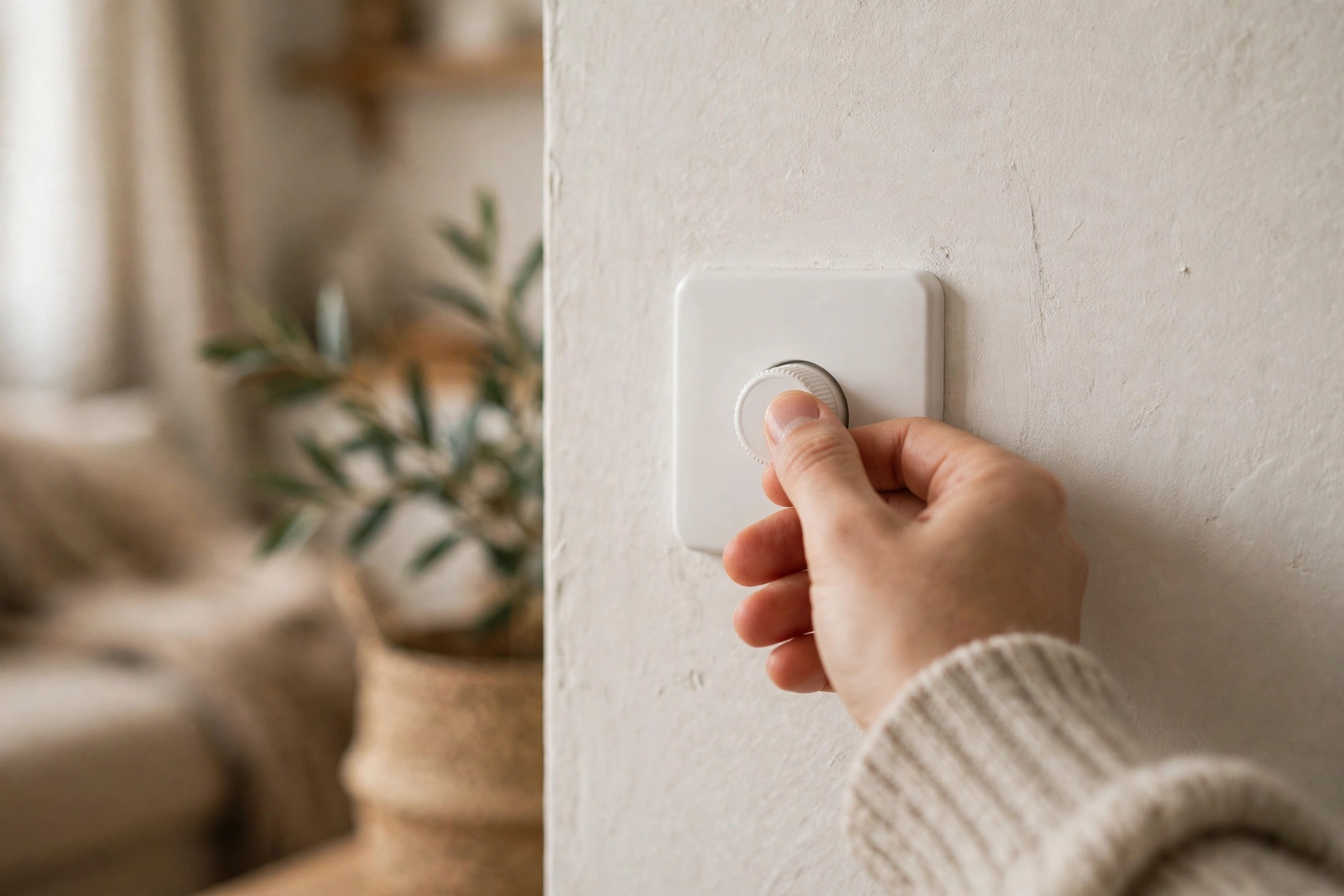
A whole-home humidifier adds moisture to the air as it moves through the home's ductwork, so humidity rises throughout the house rather than in one room. The unit typically mounts beside the furnace or on the ductwork, and it works with the heating system's airflow: when the blower runs, air passes over or through a wet medium, picks up moisture, and carries it to the rooms through the registers. A humidistat — a control similar in idea to a thermostat, but for humidity — sets the target level and tells the unit when to add moisture.

That duct-based approach is the key difference from a portable humidifier, which treats one room and needs its tank refilled regularly. A whole-home unit serves the whole house from one place, with water supplied by a plumbing connection rather than a tank you carry. The trade-off is that it depends on the duct system and the blower: a home without ductwork, or with a heating system that rarely runs its blower, gains less from one. Our ductwork and airflow services page explains the air-distribution side that any duct-based device relies on.

Bypass humidifier pad and ductwork in a basement

The main types, and how they differ

Bypass humidifiers are the simplest type: a portion of warm air from the supply duct is routed through a wet pad and back into the return duct, using the furnace blower's airflow. They need no separate fan, which keeps them simple, but they work best when the furnace runs often, because they depend on its airflow. Fan-powered humidifiers add their own fan, so they can move air through the pad even when the furnace blower runs less, which suits homes where the blower cycles less often.

Steam humidifiers work differently: they boil water to create steam and inject it directly into the ductwork, independent of the furnace's heating cycle. That independence makes them the most responsive type, and also the most involved to install and maintain, with electrical and water requirements beyond the simpler types. The right type depends on the house's ductwork, its blower pattern, and how much humidity control the household wants — not on a single “best” label. A furnace tune-up and safety inspection is a natural time to ask how a given home's airflow and blower pattern would suit each type.
How much humidity is right — and why more is not better

Indoor humidity in winter is a balance, not a race upward. Too dry, and skin, throats, and wood suffer. Too humid, and moisture condenses on cold windows, inside walls, and around window frames, where it can feed mould growth and damage paint and plaster over a season. The right level also shifts with the weather: a level that is comfortable on a mild winter day can condense on windows during a bitter cold snap, when glass and wall surfaces are far colder.

That is why humidistats often need seasonal adjustment rather than a single set-and-forget number, and why a household that adds humidity should watch its windows in cold weather. Condensation that appears regularly on windows, or damp patches near window frames, is a signal to turn the level down, not to ignore it. The goal is comfortable air that does not leave moisture where it can do harm — a range to manage through the season, not a fixed target to chase.

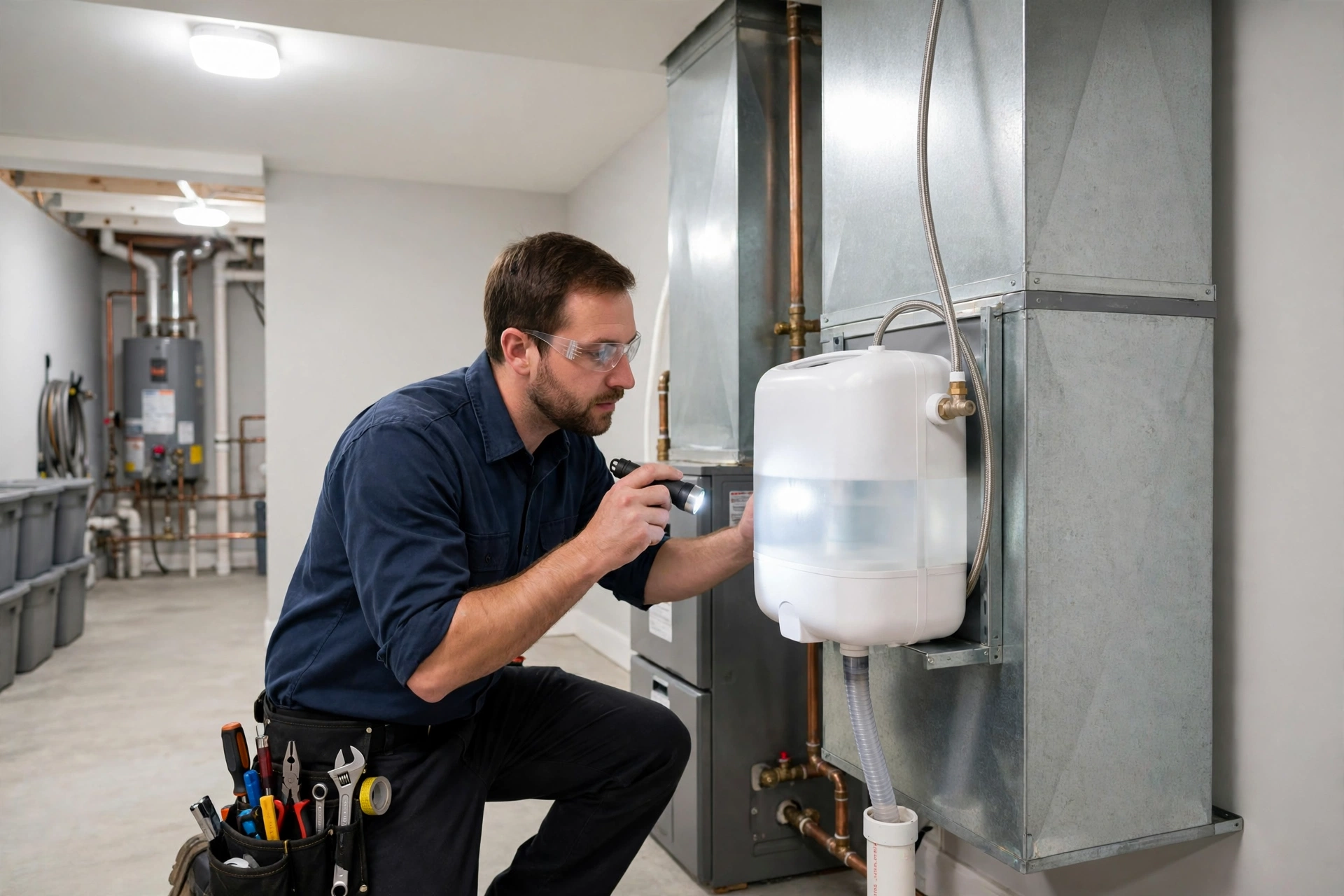
Technician replacing a humidifier evaporator pad

Maintenance: the part that decides whether it helps or harms

A humidifier that is not maintained can become a problem of its own. The wet pad, panel, or steam chamber is a damp environment, and without regular cleaning and replacement of its consumable parts, it can harbour mineral scale from hard water and microbial growth that then enters the circulating air. Maintenance usually means replacing the evaporator pad or panel on a schedule set by the maker, cleaning the unit's water path, and checking the drain and the humidistat's accuracy.

Water quality matters here. Hard water leaves mineral scale faster, which is why some homes need more frequent pad changes or a water treatment step, depending on the type of unit. Before adding any humidifier, ask what its maintenance schedule looks like in real terms — parts, frequency, and who does the work — and judge whether the household will actually keep it up. A well-maintained humidifier improves a dry home; a neglected one trades one indoor-air problem for another. Our thermostat and controls page covers the control side of home comfort systems generally, including humidistats.

Portable humidifiers, and when they make more sense

A portable humidifier suits a different need: one room, one person, or a short-term problem. A bedroom humidifier can ease a dry throat overnight, and a nursery humidifier can help a small room without changing the whole house's humidity. Portables are cheaper to buy, need no ductwork, and can be moved where they are needed — but they need daily attention: filling, cleaning, and watching for over-humidifying a single room, which can condense on that room's windows.

The choice between portable and whole-home comes down to scope. One dry bedroom points toward portable. A whole house with shrinking wood floors, static everywhere, and dry air in every room points toward whole-home, judged alongside the ductwork and blower pattern. Either way, the humidity question sits beside the heating question, not instead of it: a furnace that heats unevenly, short cycles, or leaves rooms cold needs attention first, because humidified air delivered through faulty ducts still arrives unevenly. Start with the heating system — through our contact page if your furnace itself needs a look — and judge humidity as part of a comfortable, well-running home. For the furnace side of winter comfort, see our furnace strain in a Minnesota winter post.

Questions to ask before choosing anything

Before deciding, a homeowner benefits from four questions. First, is the dryness house-wide or room-specific? Second, does the home have ductwork and a blower pattern that suit a duct-mounted unit? Third, what does maintenance look like in practice, and will the household keep it up? Fourth, what humidity level will the home actually hold without window condensation in the coldest weather? Answers to those four, gathered from the house itself rather than from a product page, point to the right type — or to no humidifier at all, with portable units covering the rooms that need them.

Dry winter air is a real comfort problem in a Minnesota home, and whole-home humidifiers are a real answer to it, but they are one part of a larger indoor-air picture that includes the furnace, the ducts, the controls, and the house envelope. Judged that way — as part of the home, not as a standalone purchase — the choice becomes clearer, and the result is likelier to help through the whole heating season.

People Also Ask

What humidity level should a house have in winter?

There is no correct number, because the right level shifts with the weather: a level that feels comfortable on a mild day can condense on cold windows during a bitter cold snap. Watch the windows as a guide, turning the level down if condensation appears regularly, and treat humidity as a seasonal range to manage rather than a fixed target.

Is a whole-home humidifier better than a portable one?

For a whole house with dry air in every room, yes, because it humidifies through the ductwork from one unit with a plumbed water supply. For one dry bedroom, a portable unit is simpler and cheaper. The better choice depends on whether the problem is house-wide or room-specific.

Does a humidifier need regular maintenance?

Yes, and that maintenance decides whether it helps or harms. Evaporator pads or panels need replacing on the maker's schedule, the water path needs cleaning, and the drain and humidistat need checking. A neglected humidifier can harbour scale and microbial growth that then enters the circulating air.

Need a Furnace Technician?

Call Quarry Furnace Co. about your furnace — repair, replacement, and tune-ups in St. Cloud and the towns around it.

(320) 389-8174

Frequently Asked Questions

Answers about this topic, in plain language.

How does a whole-home humidifier work?

It mounts beside the furnace or on the ductwork and adds moisture to the air as the blower moves it through the ducts, so humidity rises throughout the house. A humidistat sets the target level and controls when the unit adds moisture, in the same way a thermostat controls temperature.

What is the difference between a bypass and a steam humidifier?

A bypass humidifier routes warm supply air through a wet pad using the furnace blower's airflow, so it works best when the furnace runs often. A steam humidifier boils water and injects steam directly into the ducts, independent of the heating cycle, which makes it more responsive and more involved to install and maintain.

Can too much humidity damage a home?

Yes. Excess humidity condenses on cold windows, inside walls, and around window frames, where it can feed mould growth and damage paint and plaster over a season. That is why the level should be turned down when condensation appears regularly, especially during cold snaps.

Will a humidifier help with static shocks in winter?

Usually, yes, because static builds more readily in dry air. Raising indoor humidity into a comfortable range reduces static on clothing, carpets, and door handles, alongside easing dry skin and throats. It does not fix static caused by a particular fabric or flooring on its own.

Does hard water affect a humidifier?

Yes. Hard water leaves mineral scale on evaporator pads and in steam chambers faster, which means more frequent pad changes or a water treatment step, depending on the unit type. Ask about the maintenance schedule for your water type before choosing a unit.

Do I need ductwork for a whole-home humidifier?

Yes, because a whole-home unit works by adding moisture to air moving through ducts. A home without ductwork, or with a heating system whose blower rarely runs, gains less from one, and a portable humidifier for the rooms that need it is usually the better fit.

Call About Your Furnace

St. Cloud and the towns around it.

(320) 389-8174

Related Pages