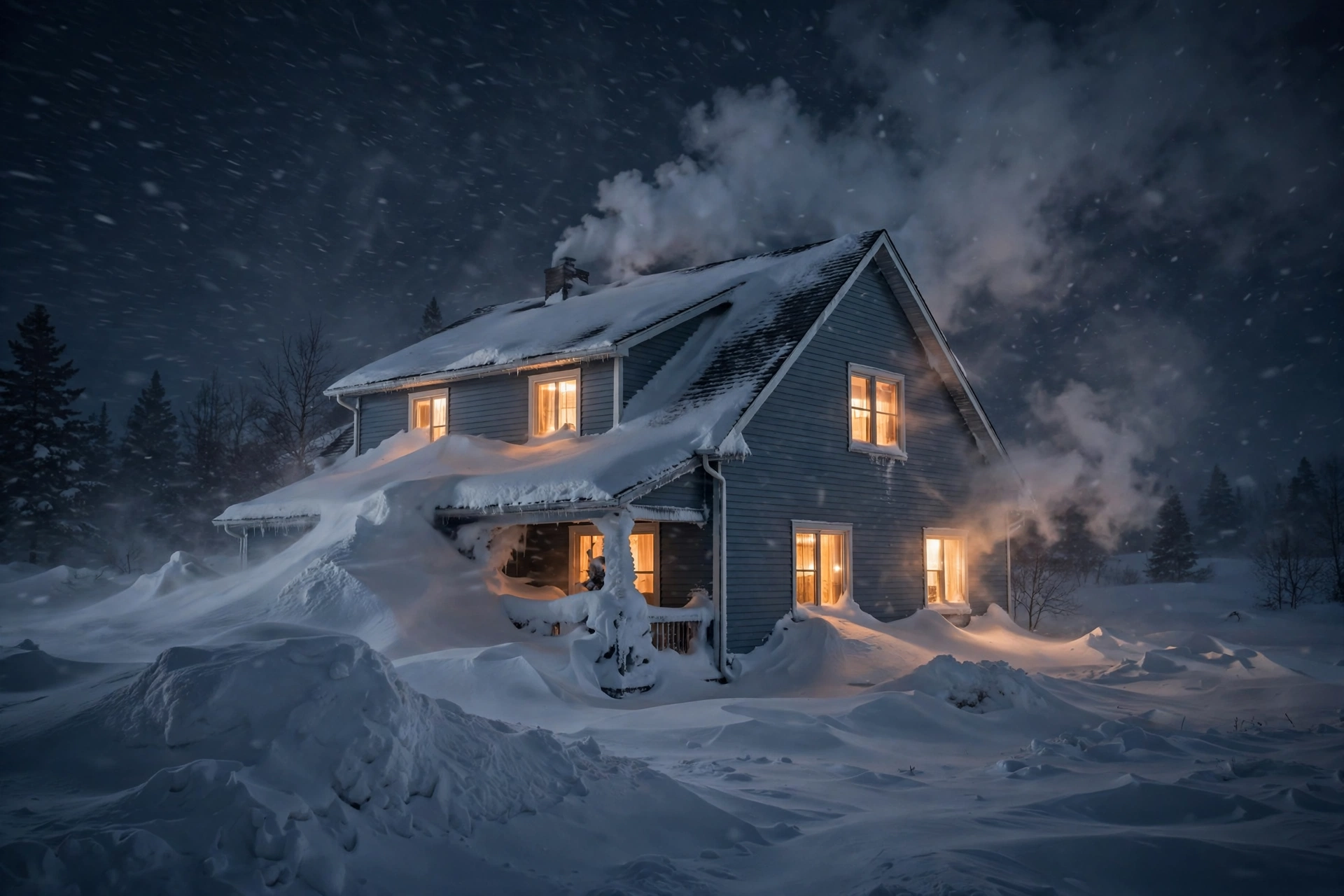
Blog · St. Cloud, Minnesota
Why a Minnesota Winter Puts Extra Strain on Your Furnace
Long heating seasons, deep cold, and houses that never really warm up between cycles all wear on a furnace. Here is where that strain lands, and how to ease it.
Long heating seasons, deep cold, and houses that never really warm up between cycles all wear on a furnace. Here is where that strain lands, and how to ease it.
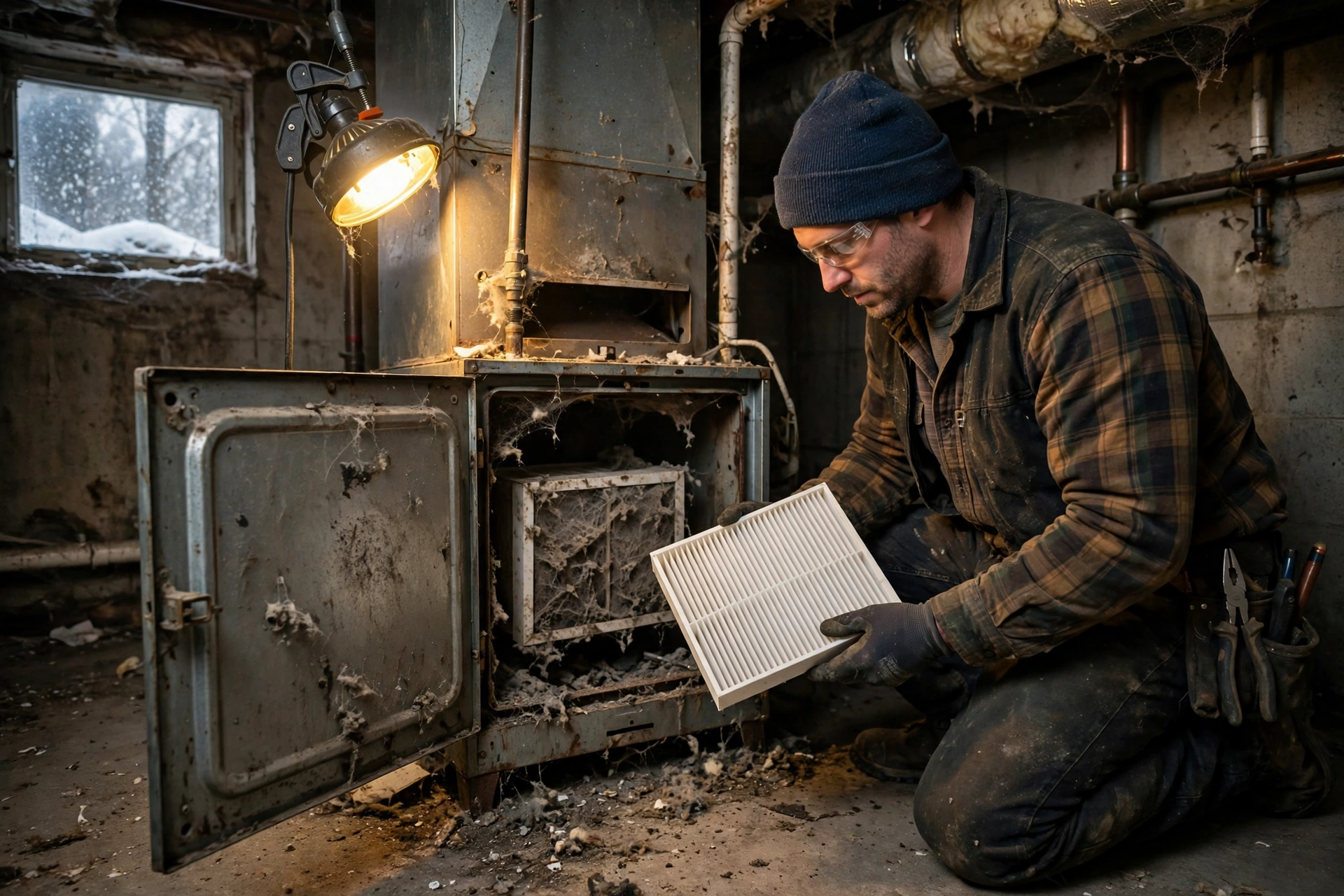
In much of the country, a furnace works hard for a few weeks and rests. In central Minnesota, the heating season runs roughly October through April, and the furnace is the house's main life-support system for most of that time. It cycles thousands of times, its blower moves air for hours every day, and its heat exchanger expands and contracts with every heating cycle. That sheer amount of use is the first source of strain, and it is why maintenance intervals that suit a mild climate feel thin here.
January sharpens the load further: the 1991–2020 normals from St. Cloud State University put the January mean at 11.8°F, which means the house loses heat fast and the furnace runs long cycles to keep up. Long cycles are not themselves a fault — in severe cold they are normal — but they leave no slack for a dirty filter, a weak igniter, or a tired blower motor. Our January cold-snap post explains how those small weaknesses turn into shutdowns when the cold is deepest.
Ignition parts wear from repetition. An igniter that lights the burner several times an hour, day after day, for months, eventually cracks or weakens, and the furnace begins failing to light on the first try. A flame sensor coated with combustion residue stops proving the flame, and the furnace shuts the burner down as a safety measure. Both are small parts with large consequences, and both are routine checks on a tune-up and safety inspection.
The blower motor wears from hours, not cycles. It pushes air through ducts all winter, and a dirty filter makes it push against higher resistance for the same airflow, which heats the motor and shortens its life. The heat exchanger wears from temperature swings: heating up, cooling down, heating up again, thousands of times a season, with the metal expanding and contracting each time. None of this is a design flaw; it is simply what a long, cold heating season asks of a machine. The strain becomes a problem only when maintenance lets small wear go unnoticed until it becomes a failure.

A furnace does not heat in isolation; it heats against the house's losses. Drafty windows, thin attic insulation, and air leaks force longer cycles, because heat escapes almost as fast as the furnace produces it. A home with a large glass area facing the winter wind, or with ductwork running through an unheated attic, asks the furnace to work harder for the same indoor temperature than a tighter, better-insulated home of the same size.
That is why two identical furnaces can have very different lives in two different houses. Sealing the worst drafts and keeping ducts inside heated space where possible lowers the load more reliably than any single furnace part. For the duct side of that equation, our ductwork and airflow services page explains how leaky or poorly routed ducts waste heat, and our post on heating older St. Cloud homes looks at the house-side causes in detail. Lower load means shorter cycles, less wear, and a furnace that lasts longer.
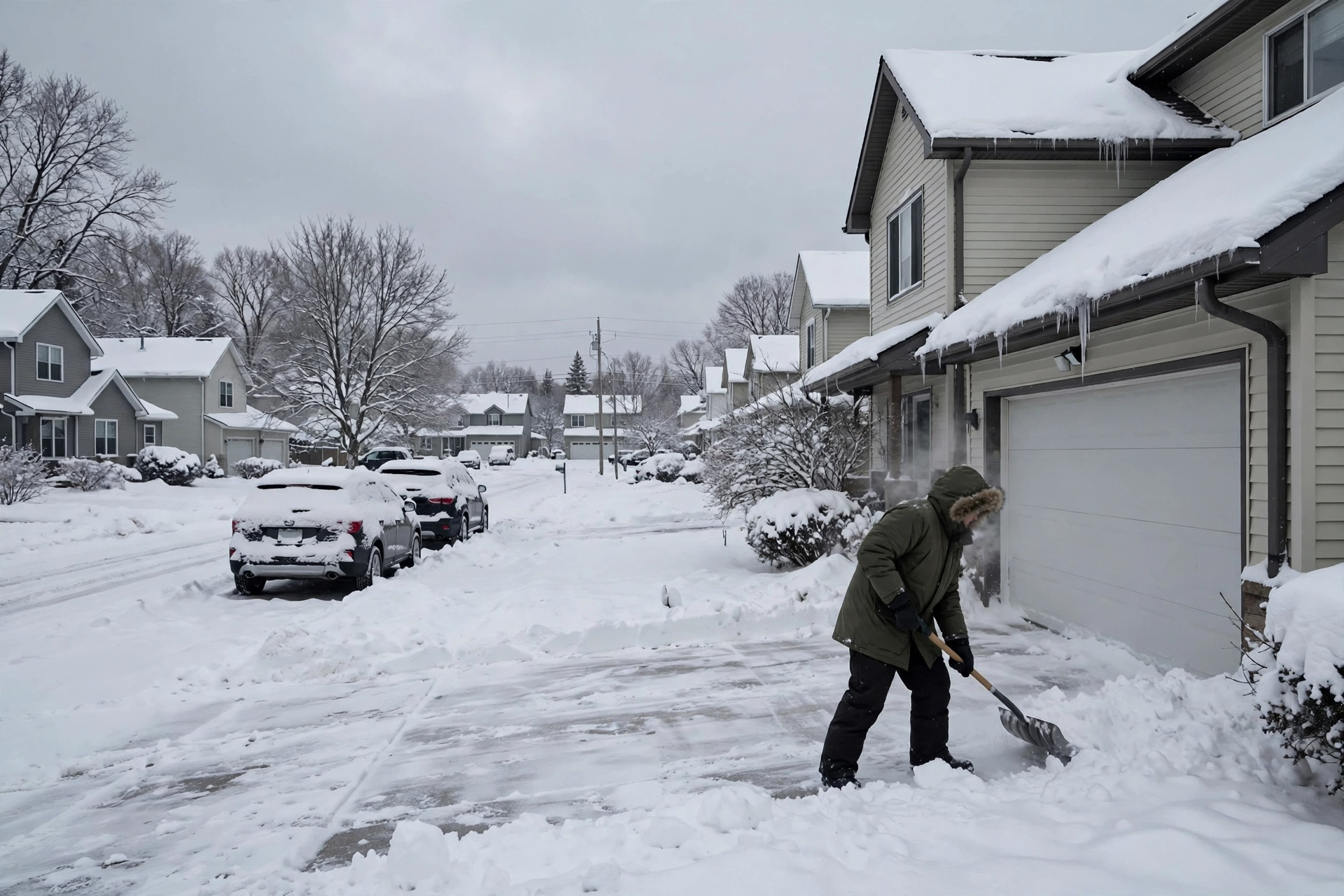
Short cycling — the furnace firing, running briefly, and shutting off before the house reaches temperature — is the most audible form of strain. Each start is the hardest moment for ignition parts and the blower motor, so a furnace that starts ten times an hour wears far faster than one that starts twice and runs steadily. Causes include a clogged filter, an oversized furnace, a thermostat placed where it reads the wrong temperature, or a heat exchanger overheating from restricted airflow.
If your furnace short cycles, note the pattern: how long each run lasts, whether it happens all day or only in mild weather, and whether some rooms stay cold. That pattern separates an oversizing problem from an airflow problem, and it helps a technician decide whether the fix is a filter, a control change, a blower motor repair, or a sizing conversation. Our post on furnace sizing explains the oversizing side in full.
The most effective strain relief is unglamorous: change the filter on schedule, keep registers open and unblocked, keep the area around the furnace clear, and book a tune-up before the season leans on the system hardest. Each of those keeps airflow up and cycle counts down, which is exactly what ignition parts, the blower, and the heat exchanger need. A pre-first-freeze checklist run in autumn covers the homeowner half of that routine in one pass.
Watch for the early warnings rather than waiting for a breakdown: longer run times than last winter, new noises from the blower, rooms that used to warm up and now do not, or a furnace that needs resetting. Those are the sounds and patterns of a system asking for attention while it can still give it. If you notice them, describe them when you call — through our contact page — because a pattern described well is half a diagnosis already.
Some strain cannot be undone with a filter change. A cracked heat exchanger, a blower motor with worn bearings, or an igniter that fails repeatedly are replacement jobs, and continuing to run the furnace around them risks further damage or a safety shutdown. The judgement call is whether the furnace as a whole is still sound enough to justify the part, or whether its age and condition make replacement the wiser spend.
That judgement needs the furnace in front of a technician: its condition, its size relative to the house, and its repair history all feed into it. Our furnace installation and replacement page describes how that conversation works, and homes in Sauk Rapids and the other towns around St. Cloud face the same long-season arithmetic. A furnace that has carried a Minnesota winter well for years deserves that honest assessment, not a guess.
Cold weather does not damage a furnace directly, but it forces longer run times and more heating cycles, which wear ignition parts, blower motors, and heat exchangers faster. The damage comes from the workload the cold creates, especially when a dirty filter or restricted airflow adds resistance on top of it.
Listen and watch for longer run times than last winter, short on-off cycling, new blower noises, rooms that no longer warm up, or a furnace that needs resetting. Those patterns show a system working harder than it should, and they are worth raising before they become a shutdown.
A furnace in a long, cold heating season simply works more hours per year than one in a mild climate, so its parts accumulate wear faster. Regular filter changes, clear airflow, and yearly tune-ups slow that wear, but the heating season itself is the main reason Minnesota furnaces earn their maintenance.
Call Quarry Furnace Co. about your furnace — repair, replacement, and tune-ups in St. Cloud and the towns around it.
(320) 389-8174Answers about this topic, in plain language.
January cold pulls heat out of the house far faster, so the furnace must run longer cycles to replace it. That is normal in severe cold. The concern is not long runs themselves, but short cycling, cold air from vents, or a furnace that cannot hold temperature at all.
Ignition parts and flame sensors often wear first, because they act on every heating cycle, and there are thousands of cycles in a Minnesota season. Blower motors wear from total running hours, and heat exchangers wear from repeated heating and cooling. All three are standard tune-up checks.
Yes. A clogged filter forces the blower to work against higher resistance and lets the heat exchanger overheat, which trips safety controls and stresses both parts. Regular filter changes are one of the simplest ways to protect the whole system.
Yes. Every start is the hardest moment for ignition parts and the blower motor, so a furnace that starts many times an hour wears far faster than one that runs steadily. Short cycling also leaves rooms unevenly heated, because air never circulates long enough to reach them.
Indirectly, yes. A drafty or poorly insulated house forces longer cycles and more wear, because heat escapes as fast as the furnace makes it. Sealing drafts and insulating the attic lower the load, which means fewer cycles and less strain on every furnace part.
When the heat exchanger is cracked, when major parts keep failing, or when the furnace is clearly the wrong size for the house, repair stops making sense. A technician who can see the furnace's condition, size, and repair history can make that call with you, rather than by guesswork.