St. Cloud, Minnesota(320) 389-8174info@furnacerepairsaintcloudmn.com823 1st St S, St Cloud, MN 56301, USA
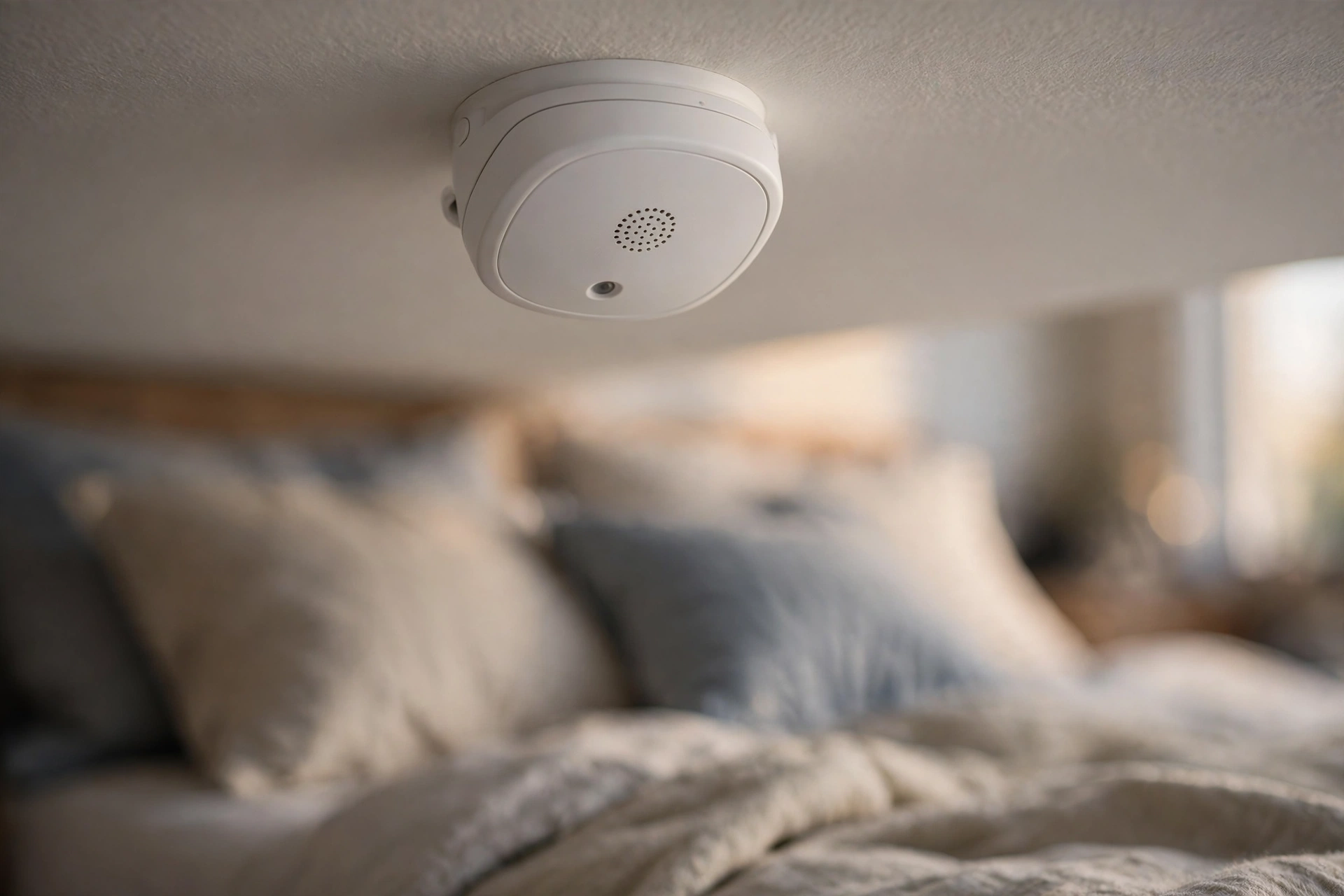
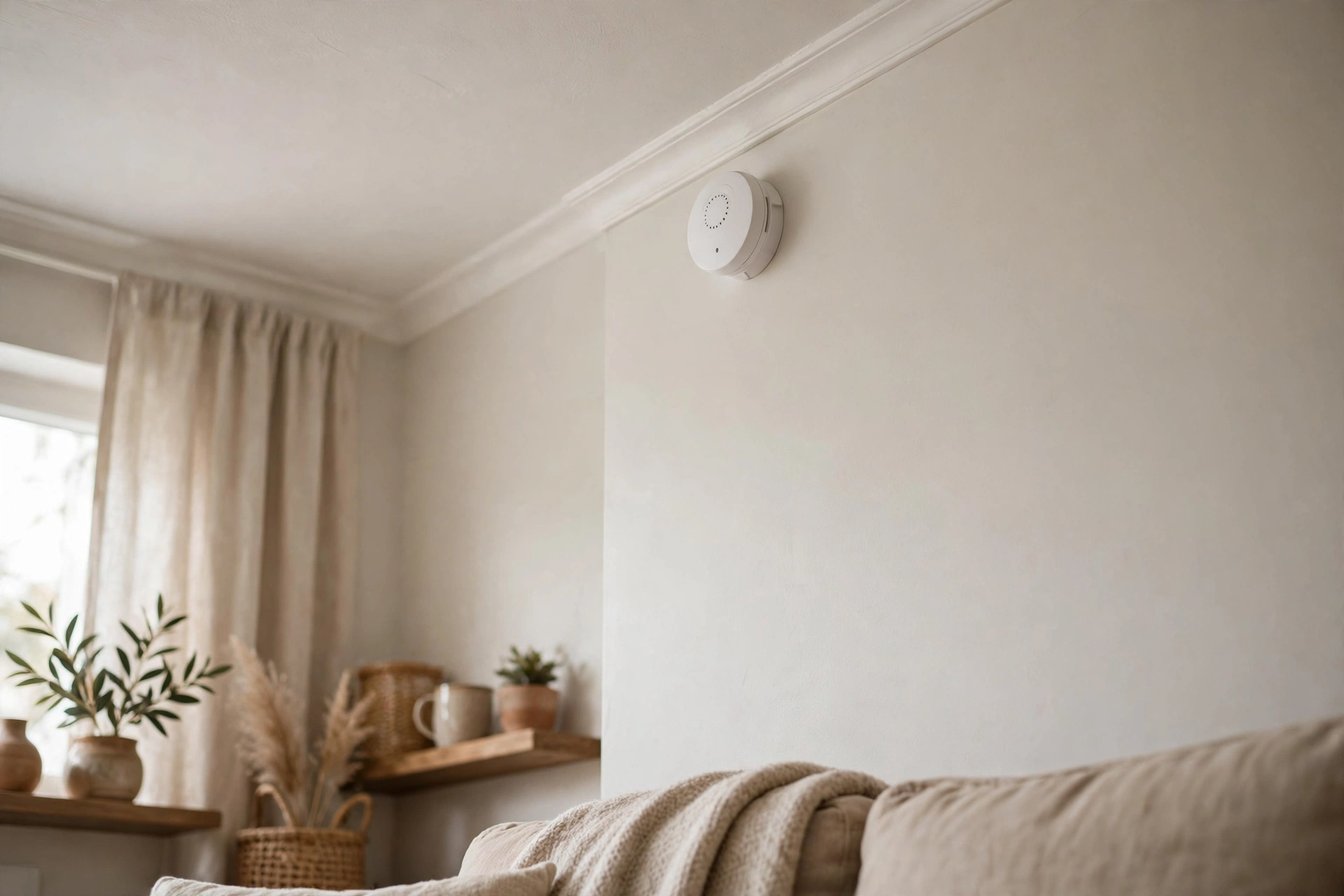
Carbon monoxide alarm mounted on a hallway wall in a home
Blog · St. Cloud, Minnesota

Carbon Monoxide Safety in a Sealed-Up Winter Home

Winter homes are sealed tight against the cold, and that makes carbon monoxide safety more important, not less. Alarms, venting, and the warning signs every household should know.

Call (320) 389-8174Our Services

Carbon monoxide alarm with a digital display on a wall

Why winter raises the stakes

Carbon monoxide is a colourless, odourless gas produced when fuel burns incompletely. You cannot see it, smell it, or taste it, which is why it is dangerous in a way a gas leak, with its added smell, is not. In winter, the risk rises for a simple reason: the house is sealed. Windows stay shut, doors stay closed, and the furnace, water heater, and any other fuel-burning appliance run for months inside that sealed box.

A healthy, well-vented furnace should not spill carbon monoxide into the home. The danger comes when something goes wrong: a cracked heat exchanger, a blocked vent, a furnace starved of combustion air, or a vent pipe disconnected in the basement. Any of those can let exhaust, including carbon monoxide, into the circulating air. That is why a sealed winter home needs working alarms and a furnace whose venting and heat exchanger are checked, not just a furnace that produces heat. Our heat exchanger services and gas furnace services pages cover the two furnace parts most involved.
Alarms: where they go, and how to keep them working

Place carbon monoxide alarms on every level of the home, outside sleeping areas, and near — but not directly beside — fuel-burning appliances, following the alarm maker's instructions for placement and distance. A single alarm in the basement beside the furnace is not enough for a two-level home, because the people who need warning are asleep upstairs. Test alarms monthly with the test button, replace batteries when the alarm chirps for them, and replace the alarm itself when it reaches the end of the life printed on it — most alarms last a set number of years, and an expired alarm may look fine while sensing nothing.

Do not ignore an alarm, and do not assume it is faulty because you cannot smell anything. Carbon monoxide has no smell, so “I can't smell anything” proves nothing. If an alarm sounds, get everyone out of the house, call for help from outside, and do not go back inside to open windows or check the furnace until the house has been checked. That response feels dramatic for a silent alarm; it is exactly the response the alarm exists to produce. If your furnace vents through a side wall, our post on gas furnace vent freeze-ups explains how a blocked vent can create the same hazard in a cold snap.

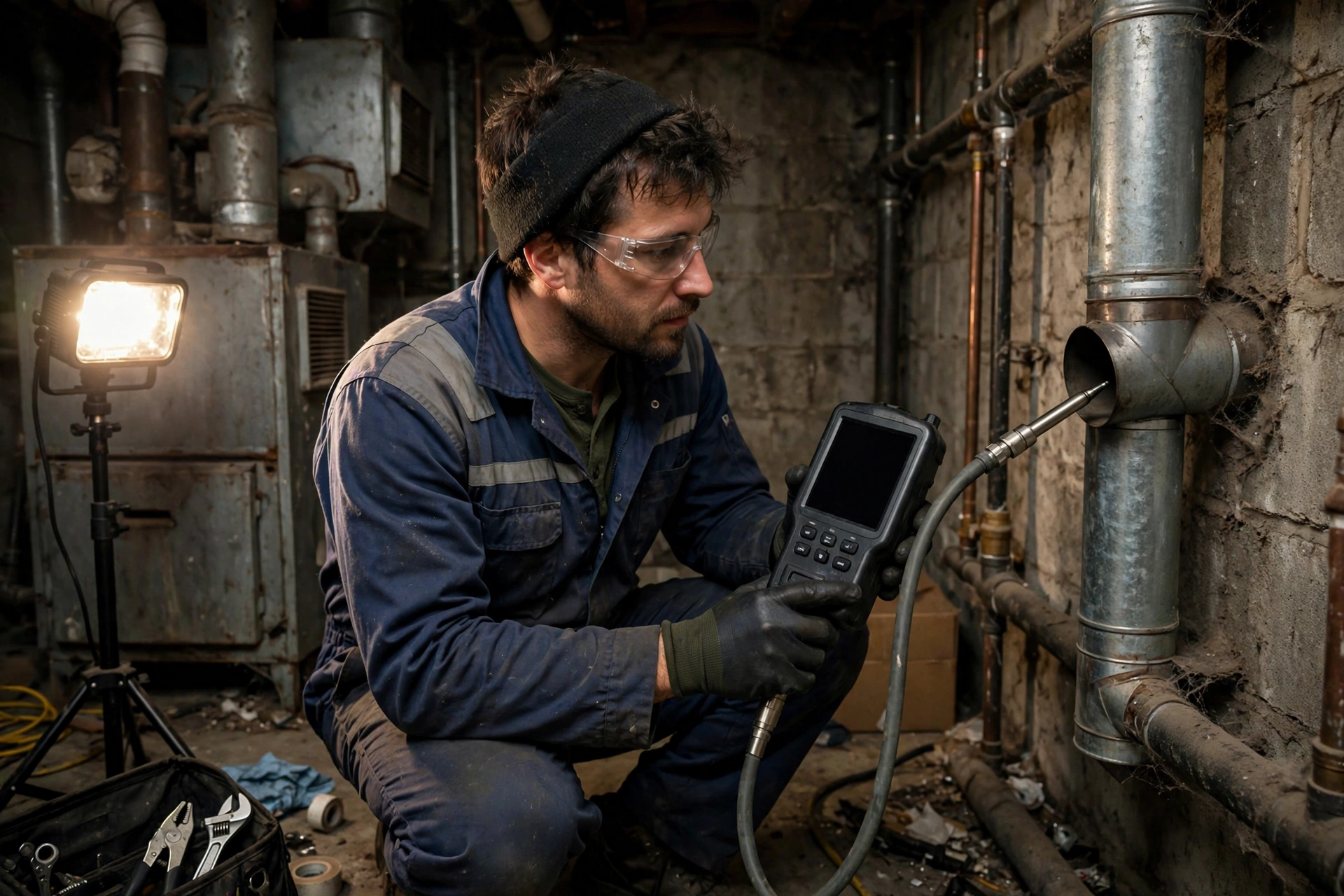
Technician inspecting a heat exchanger inside a furnace

The furnace checks that matter most

Two furnace checks carry most of the carbon monoxide risk. The first is the heat exchanger: the metal wall between the combustion gases and the air that circulates through your rooms. A crack in that wall can let exhaust into the circulating air, and it is checked during a tune-up and safety inspection by visual inspection and test instruments. The second is venting: the pipes or chimney that carry exhaust outside must be connected, unblocked, and correctly routed, with nothing — snow, ice, nests, or a disconnected joint — in the way.

Combustion air matters too. A gas furnace needs air to burn fuel cleanly, and a furnace closet sealed tight, or a basement with every vent blocked for winter, can starve it. Keep the area around the furnace clear and do not block combustion-air openings. If a remodel enclosed the furnace in a tight closet, raise it at the next tune-up: the furnace maker's instructions and local building rules set the air requirements, and a technician can check whether the enclosure still meets them.

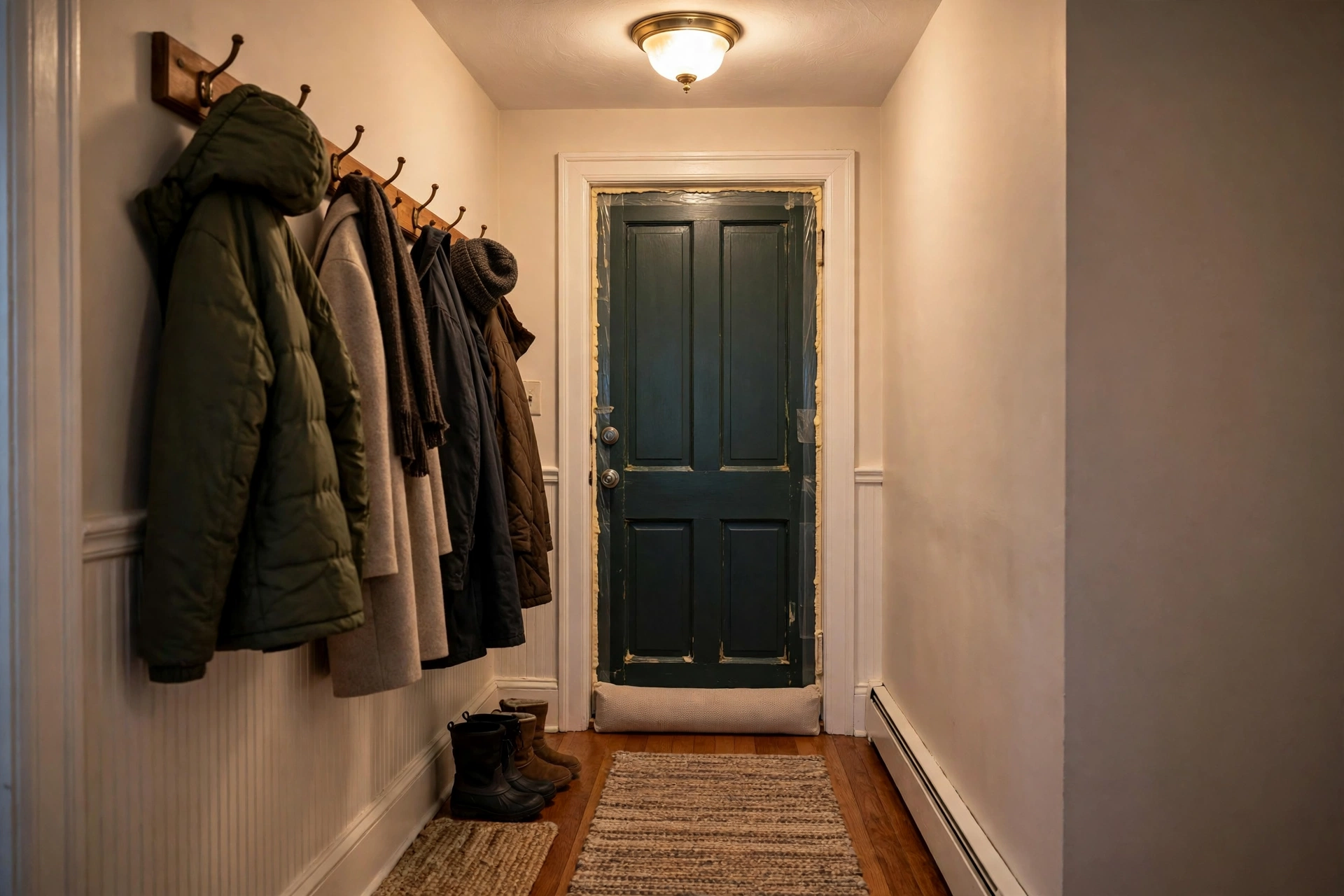
Attached garage door closed beside a home in winter

Other winter sources people forget

The furnace is not the only winter source. A car left running in an attached garage, even with the garage door partly open, can push carbon monoxide into the house through connecting doors and ductwork. A generator run in a garage, a basement, or too close to the house does the same, faster. A gas range used as a room heater, a grill brought indoors, or a portable fuel-burning heater without proper venting all add risk to a sealed home.

The rule for all of them is the same: fuel-burning equipment belongs outside or properly vented, never improvised indoors. Keep the door between an attached garage and the house closed and sealed, never warm up a car inside a closed garage, and place a generator well away from the house with its exhaust pointing away from windows and doors. These are habits, not purchases, and they protect the house as surely as an alarm does. For the portable-heater side of winter safety, see our post on furnaces versus space heaters in a cold snap.

Warning signs, and what to do about them

Because carbon monoxide itself gives no warning, the warnings to watch are the ones around it: a furnace with a yellow, lazy, or flickering burner flame instead of a steady blue one, soot or staining around the furnace or vent pipes, a pilot light that keeps going out, or household members developing headaches, dizziness, nausea, or tiredness that ease when they leave the house. Any of those, alone or together, is a reason to get out, call for help from outside, and have the furnace and venting checked before running the system again.

Do not try to diagnose a suspected carbon monoxide problem yourself by running the furnace and watching it. Leave, call, and let the check happen with the house empty and the equipment tested properly. If the all-clear is given and a furnace fault is found, it can be repaired or, where the heat exchanger is involved, the replacement conversation in our furnace installation and replacement page becomes the next step. You can reach us from our contact page, and the same alarm and venting advice applies in Sartell, Sauk Rapids, and every town around St. Cloud.

A short household routine for the heating season

Make carbon monoxide safety a routine, not a reaction. Test alarms on the first of each month during heating season. Change alarm batteries on a schedule you will remember, such as the start of the heating season. Keep furnace vents clear of snow all winter. Book the autumn tune-up that checks the heat exchanger and venting. And make sure everyone in the household — including children old enough to understand — knows what the alarm sounds like and that sounding means leaving the house and calling from outside.

That routine costs little and covers the main paths by which carbon monoxide reaches a sealed home: a faulty furnace part, a blocked vent, or a fuel-burning device used where it should not be. A furnace that is checked, vented, and alarmed is a furnace a household can sleep beside with confidence through a Minnesota winter.

People Also Ask

Where should I put carbon monoxide alarms in my house?

Put an alarm on every level, outside sleeping areas, and near fuel-burning appliances while following the alarm maker's placement instructions. One alarm beside the furnace is not enough for a two-level home, because the people who need the warning are usually asleep upstairs when a problem develops overnight.

What should I do if my carbon monoxide alarm goes off?

Get everyone out of the house immediately, call for help from outside, and do not go back inside to open windows or check the furnace. Carbon monoxide has no smell, so a silent alarm is still an emergency, and the house should be checked before anyone re-enters or restarts the furnace.

Can a furnace produce carbon monoxide even when it seems to work fine?

A healthy, well-vented furnace should not spill carbon monoxide into the home, but a cracked heat exchanger, a blocked vent, or a furnace starved of combustion air can. Those faults do not always stop the furnace from producing heat, which is why alarms and yearly heat-exchanger and venting checks matter.

Need a Furnace Technician?

Call Quarry Furnace Co. about your furnace — repair, replacement, and tune-ups in St. Cloud and the towns around it.

(320) 389-8174

Frequently Asked Questions

Answers about this topic, in plain language.

What is carbon monoxide and why is it dangerous?

Carbon monoxide is a colourless, odourless gas made when fuel burns incompletely. It is dangerous because you cannot see or smell it, and because it interferes with how blood carries oxygen. That is why alarms, rather than human senses, are the warning system for it.

How often should I test my carbon monoxide alarms?

Test them monthly with the test button during heating season, replace batteries when the alarm signals low battery, and replace the alarm itself at the end of the life printed on it. An expired alarm can look normal while no longer sensing gas, so the printed life matters.

Does a gas furnace need a carbon monoxide alarm nearby?

Yes. Any home with a gas furnace, or any other fuel-burning appliance, should have carbon monoxide alarms on every level and outside sleeping areas. Electric-only homes still benefit from alarms if they have an attached garage or a fuel-burning fireplace or stove.

What furnace problems cause carbon monoxide in a home?

The main ones are a cracked heat exchanger, blocked or disconnected venting, and a furnace starved of combustion air. All three let exhaust reach the circulating air, and all three are checked during a yearly tune-up and safety inspection.

Can snow blocking my furnace vent cause carbon monoxide?

Yes. If a side-wall vent is blocked by snow or ice, exhaust cannot leave the house, and the furnace pressure switch should shut it down. If venting is damaged or tampered with, exhaust can spill indoors instead, which is why vents must be kept clear and never covered.

What are the symptoms of carbon monoxide exposure?

Early symptoms include headache, dizziness, nausea, tiredness, and confusion, and they often ease when the person leaves the house. Because those symptoms resemble flu or tiredness, any pattern that improves outdoors, or that affects several people at once, should be treated as a reason to leave and call for help.

Call About Your Furnace

St. Cloud and the towns around it.

(320) 389-8174

Related Pages