St. Cloud, Minnesota(320) 389-8174info@furnacerepairsaintcloudmn.com823 1st St S, St Cloud, MN 56301, USA
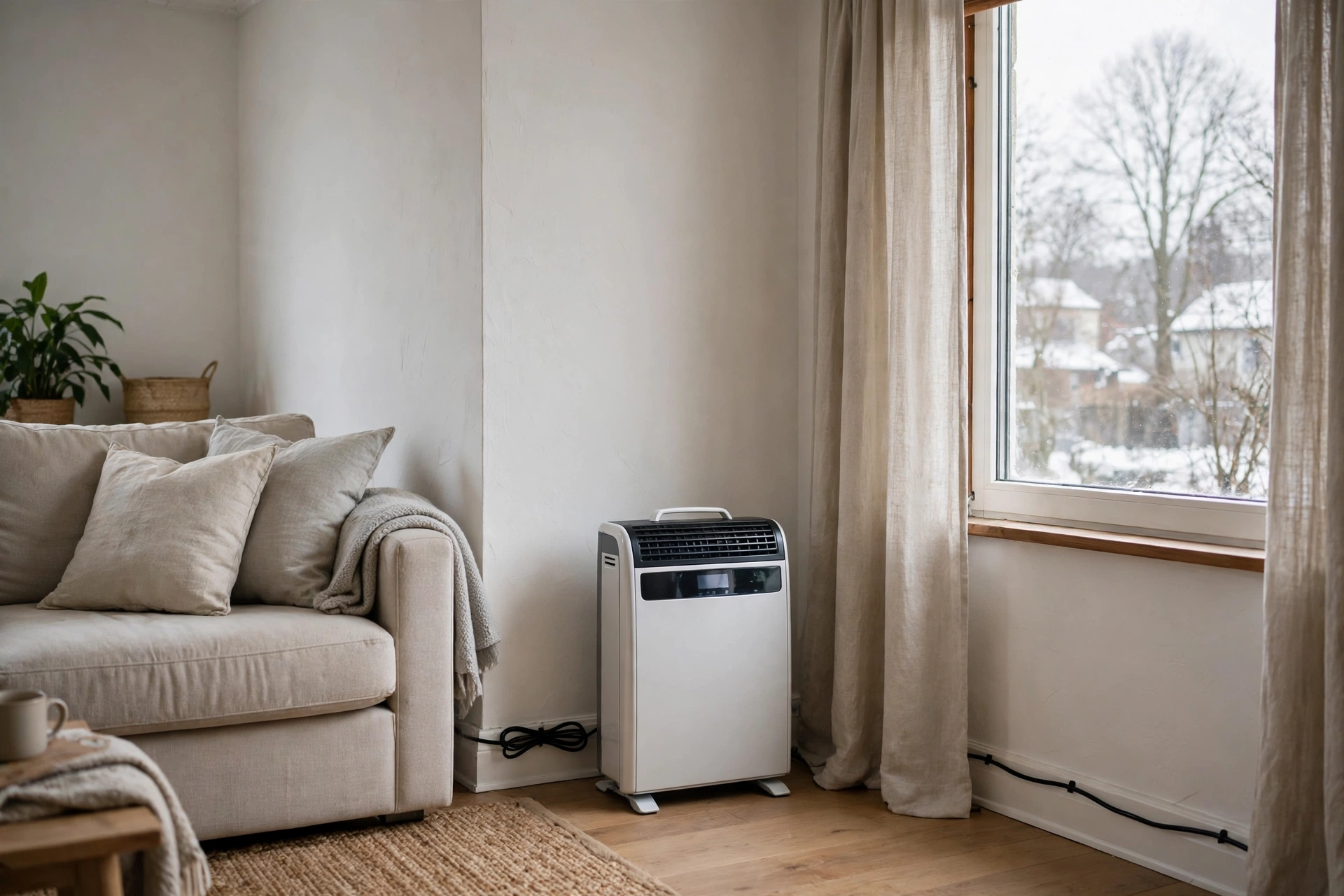
Portable space heater warming a small living room on a cold evening
Blog · St. Cloud, Minnesota

Furnace or Space Heater in a Cold Snap? What Actually Heats a Home

A space heater warms one room. A furnace heats a house and protects its pipes. Here is how the two compare in a real cold snap, and how to use a portable heater safely.

Call (320) 389-8174Our Services

Space heater glowing beside an armchair in a living room

One warm room is not a warm house

A space heater feels effective because it sits close to you. Its heat reaches your chair, your feet, and the air around you within minutes, while a furnace warms the whole house slowly through ducts and registers. That closeness is misleading in a cold snap: the rest of the house keeps cooling, pipes in far rooms and exterior walls keep dropping toward freezing, and the moment you leave the heated room, the cold is waiting.

A furnace does a job a portable heater cannot: it circulates warm air through every room, keeps the structure itself above freezing, and holds the whole house at a steady temperature overnight. When a furnace fails during a cold snap, a space heater is a bridge — useful for a few hours in the room you are sitting in — not a substitute. Our middle-of-night breakdown guide explains how to protect pipes while the furnace is down, and our January cold-snap post covers the first checks when a furnace stops.

The safety gap matters more than the comfort gap

Portable heaters cause trouble in ways furnaces, with their enclosed cabinets, venting, and safety switches, generally do not. A heater tipped over onto bedding, pushed against curtains, or left running beside a drying rack can start a fire. Heaters plugged into overloaded extension cords or power strips can overheat the cord itself. And any fuel-burning portable heater used indoors without proper venting adds carbon monoxide risk to a house that is already sealed up against the cold.

If you must use a portable electric heater, keep it on a flat, stable surface with clear space on every side, plug it directly into a wall outlet, never leave it running unattended or while you sleep, and keep children and pets from knocking it over. Turn it off when you leave the room. Those rules sound strict because the margin for error is small: a furnace is designed to run unattended for months, and a portable heater is not. For the carbon monoxide side of a sealed winter home, read our post on carbon monoxide safety in sealed homes.

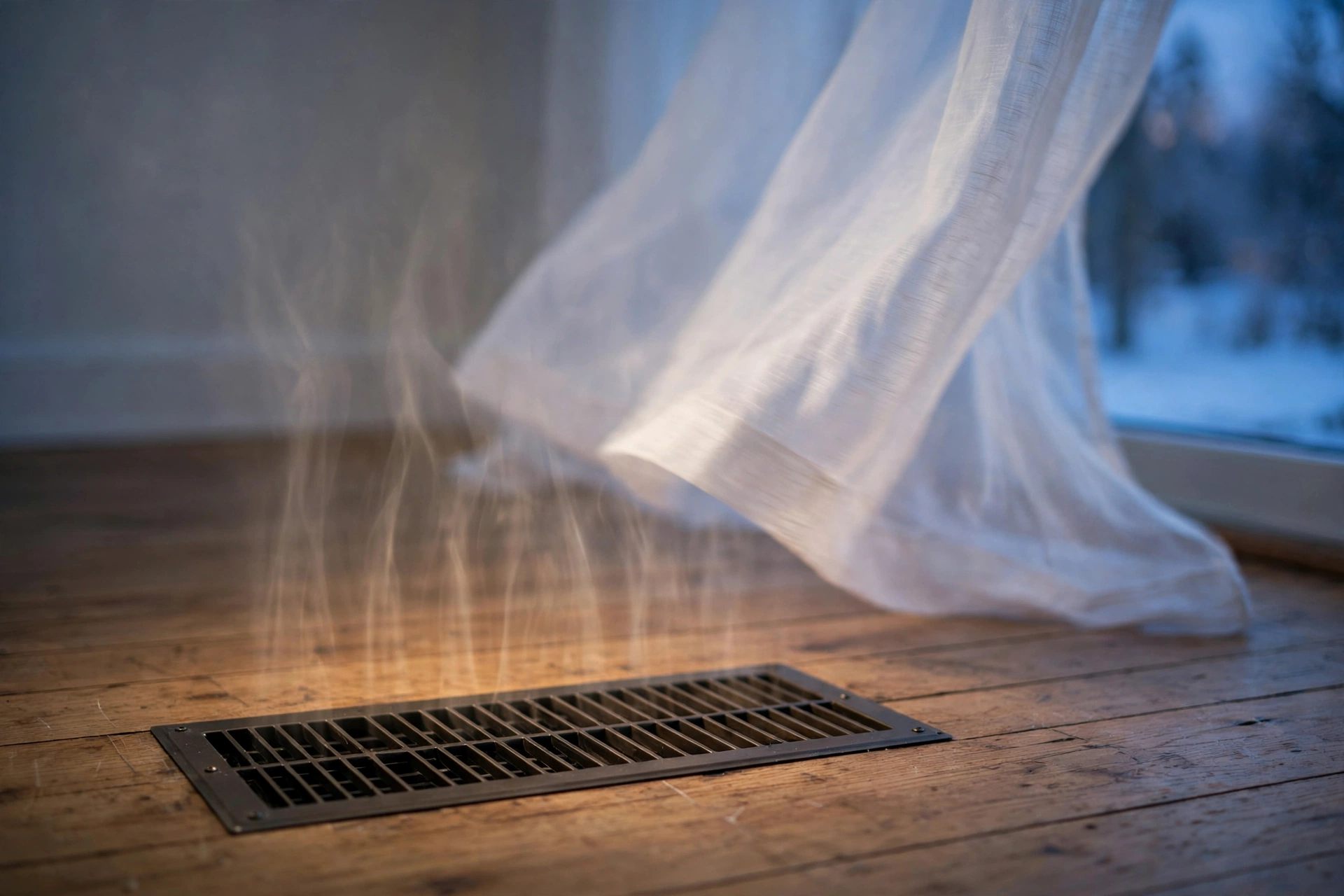
Warm air rising from a floor register in a family room

Why the furnace can feel slower — and why that is normal

A furnace heats by moving large volumes of air through ducts, which takes time, especially when the house has cooled down or when outside temperatures are far below zero. A space heater, heating a small volume of air right beside you, feels instant by comparison. Judging the furnace by the space heater's standard makes a healthy system look broken: long run times in severe cold are often the furnace doing exactly what it should, matching the heat the house is losing.

The warning signs are different from slow warming. Cold air from the registers, a furnace that starts and stops every few minutes, or rooms that never warm at all point to airflow, ignition, or duct problems worth a technician's look. Our ductwork and airflow services cover the circulation side, and blower motor repair covers the part that moves the air. If the furnace runs steadily and the house slowly warms, it is working — it is simply heating a whole building, not one chair.
Using both, briefly and sensibly, while the furnace is repaired

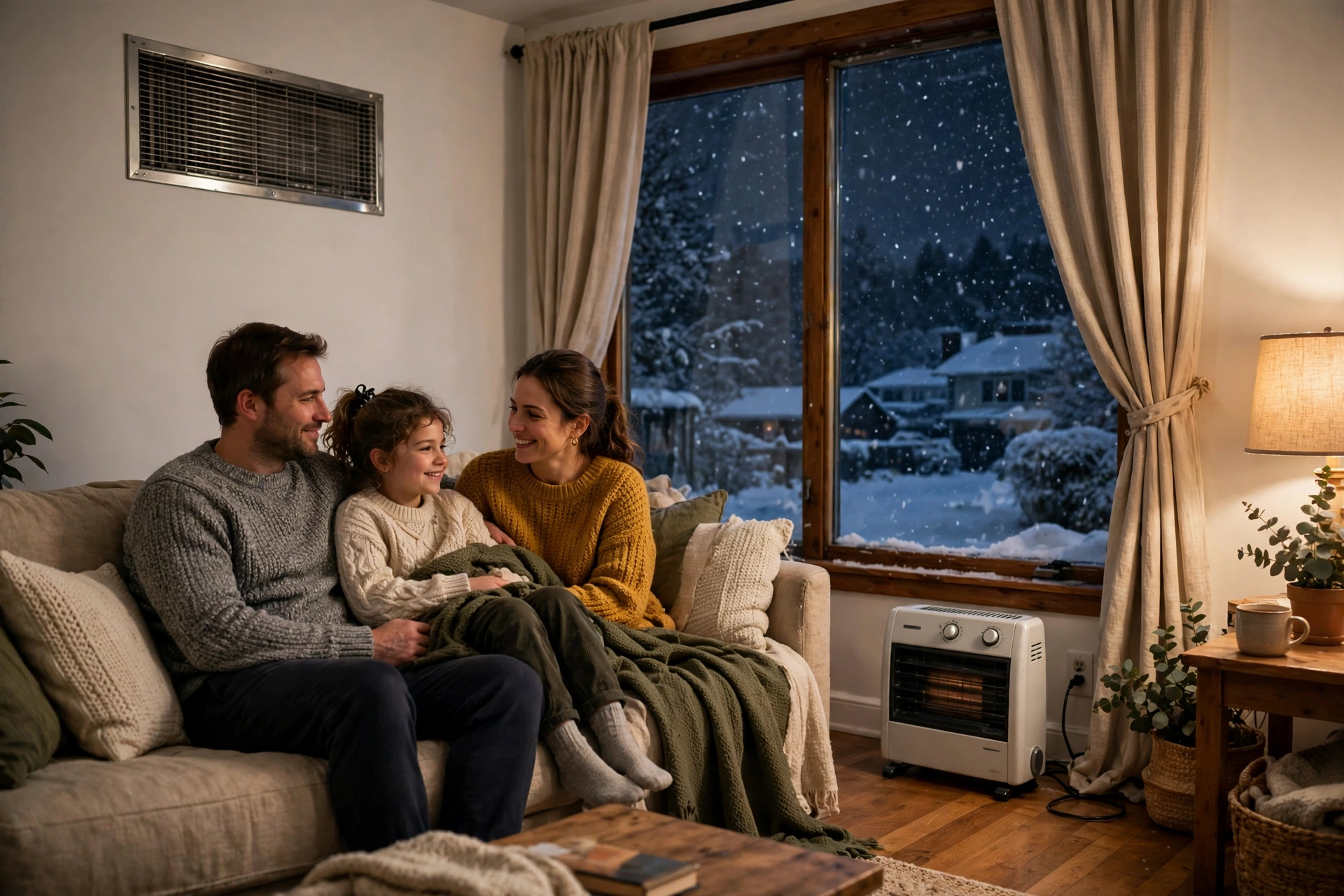
There are times when both have a role. While a technician is on the way, or while a part is being fitted, a portable heater in the room where people are sitting makes the wait bearable. The sensible pattern is: keep the furnace as the house's main heat source, use the portable heater only in the occupied room, keep it attended and clear of anything that can burn, and turn it off when the room empties or everyone sleeps.

Do not try to heat the whole house with portable heaters, and do not close off the furnace entirely while relying on them — the unheated rooms, and the pipes inside their walls, are exactly what the furnace protects. If the furnace will not run at all, the priority is getting it diagnosed, not assembling more heaters. You can reach us from our contact page, and homes in Sauk Rapids and Sartell follow the same pattern: one warm room is comfort, a working furnace is protection for the whole house.

Homeowner checking a thermostat while a furnace runs in winter

What to check before you blame the furnace

Before deciding the furnace has failed, run the same basic checks as in any cold snap: thermostat set to heat and above room temperature, filter clean, furnace power switch on, and breaker not tripped. A clogged filter alone can make a furnace short cycle and leave rooms cold, which makes a space heater sitting nearby look like the better machine when the real fault is a ten-minute filter change.

If those checks look right and the house still will not warm up, note which rooms are cold and whether the furnace runs long cycles or short ones. That description helps a technician separate a circulation problem from an ignition problem quickly. Our tune-up and safety inspection catches the filter, sensor, and airflow faults that push homeowners toward portable heaters in the first place.

People Also Ask

Can a space heater heat my whole house in a cold snap?

No, not safely or evenly. A portable heater warms the air immediately around it, while the rest of the house keeps cooling and pipes in distant rooms keep dropping toward freezing. It works as a short-term bridge in one occupied room, but the furnace is what protects the whole house and its plumbing.

Is it safe to sleep with a space heater running?

No. Portable heaters should never run unattended or while you sleep, because a tipped heater, a cord fault, or contact with bedding can start a fire while nobody is awake to notice. Keep the heater attended, clear of anything that can burn, and switched off when the room empties.

Why does my furnace take so long to warm the house in a cold snap?

A furnace heats a whole building through ducts, moving large volumes of air, while a space heater warms a small pocket of air beside you. In severe cold, the house also loses heat faster, so the furnace may run long cycles just to hold temperature. Slow warming alone is normal; cold air from vents or constant short cycling is not.

Need a Furnace Technician?

Call Quarry Furnace Co. about your furnace — repair, replacement, and tune-ups in St. Cloud and the towns around it.

(320) 389-8174

Frequently Asked Questions

Answers about this topic, in plain language.

What is the difference between a furnace and a space heater?

A furnace is a central system that heats the whole house through ductwork, protects pipes, and runs unattended with built-in safety controls. A space heater is a portable unit that warms one room at a time and needs constant attention, clear space, and a direct wall outlet.

Can I use a space heater while waiting for a furnace repair?

Yes, briefly and carefully: one heater in the room you are sitting in, on a flat surface, plugged directly into a wall outlet, with clear space around it, and switched off when you leave the room or go to sleep. It makes the wait bearable, but it does not replace the furnace.

Why do space heaters trip breakers?

Portable heaters draw a large amount of power, and two heaters on one circuit, or a heater sharing a circuit with other heavy appliances, can overload it. Plug a heater directly into a wall outlet on its own circuit where possible, and never run it through a light-duty extension cord or a power strip.

Are fuel-burning portable heaters safe indoors?

Most fuel-burning portable heaters are not suitable for indoor use without proper venting, because they can add carbon monoxide to a sealed home. Electric portable heaters avoid that particular risk, but they still need clear space, a direct outlet, and attention while running.

Should I close vents and use space heaters in unused rooms instead?

No. Closing many registers raises duct pressure and can overheat the furnace, while the unheated rooms and their pipes keep cooling. It is better to keep the furnace heating the whole house and use a portable heater only as a short-term supplement in an occupied room.

When does a space heater signal a furnace problem?

When you find yourself relying on portable heaters night after night, the furnace or the ductwork is not keeping up. Cold rooms, short cycling, or a furnace that cannot hold temperature in ordinary winter weather all point to a fault worth diagnosing rather than working around.

Call About Your Furnace

St. Cloud and the towns around it.

(320) 389-8174

Related Pages