St. Cloud, Minnesota(320) 389-8174info@furnacerepairsaintcloudmn.com823 1st St S, St Cloud, MN 56301, USA
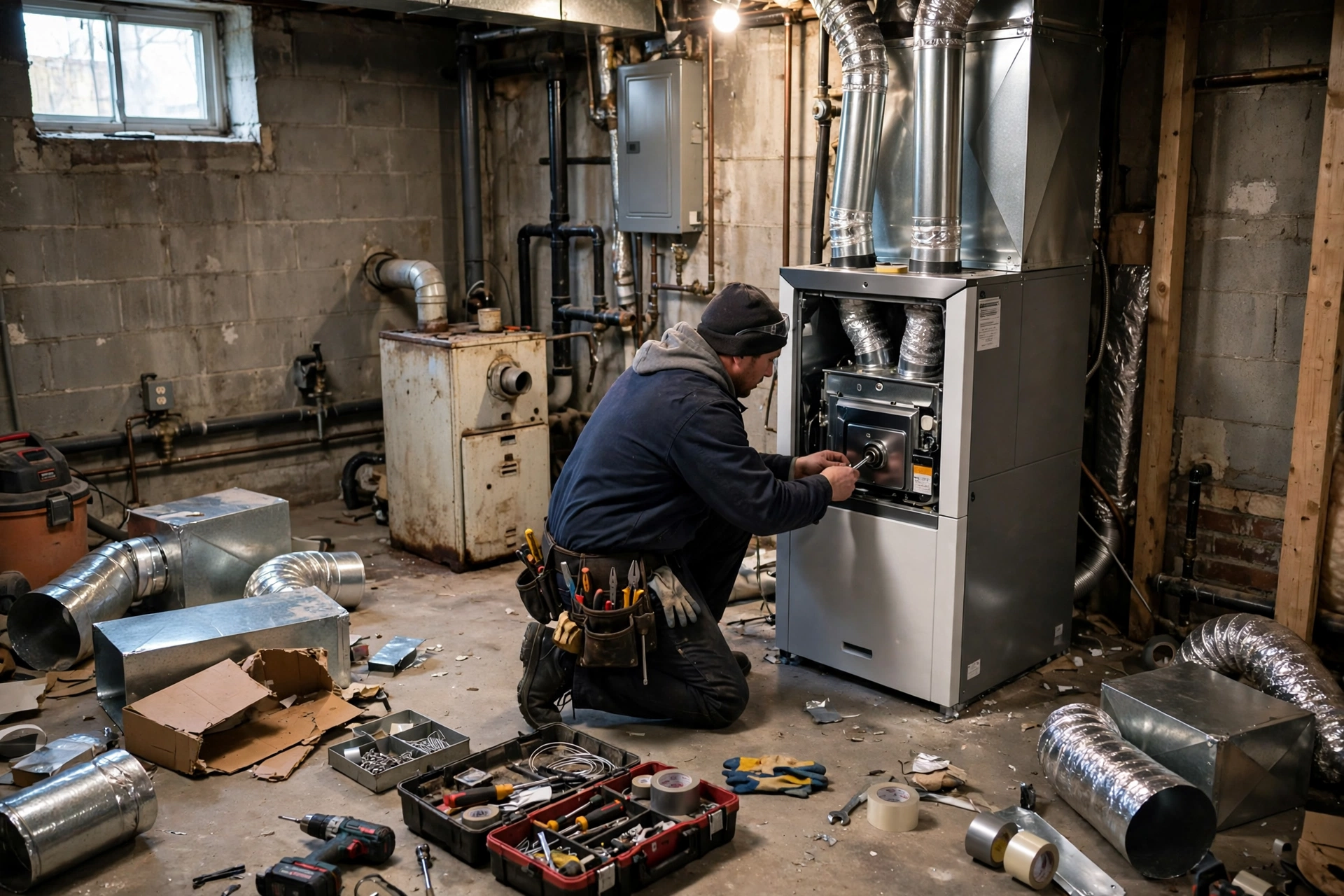
Modern furnace installed in a home basement with ductwork
Blog · St. Cloud, Minnesota

Two-Stage or Single-Stage Furnace: Which Fits Your Home?

A single-stage furnace runs at one speed. A two-stage furnace can run low and slow. Here is what that difference feels like in a real house, and which homes benefit most.

Call (320) 389-8174Our Services

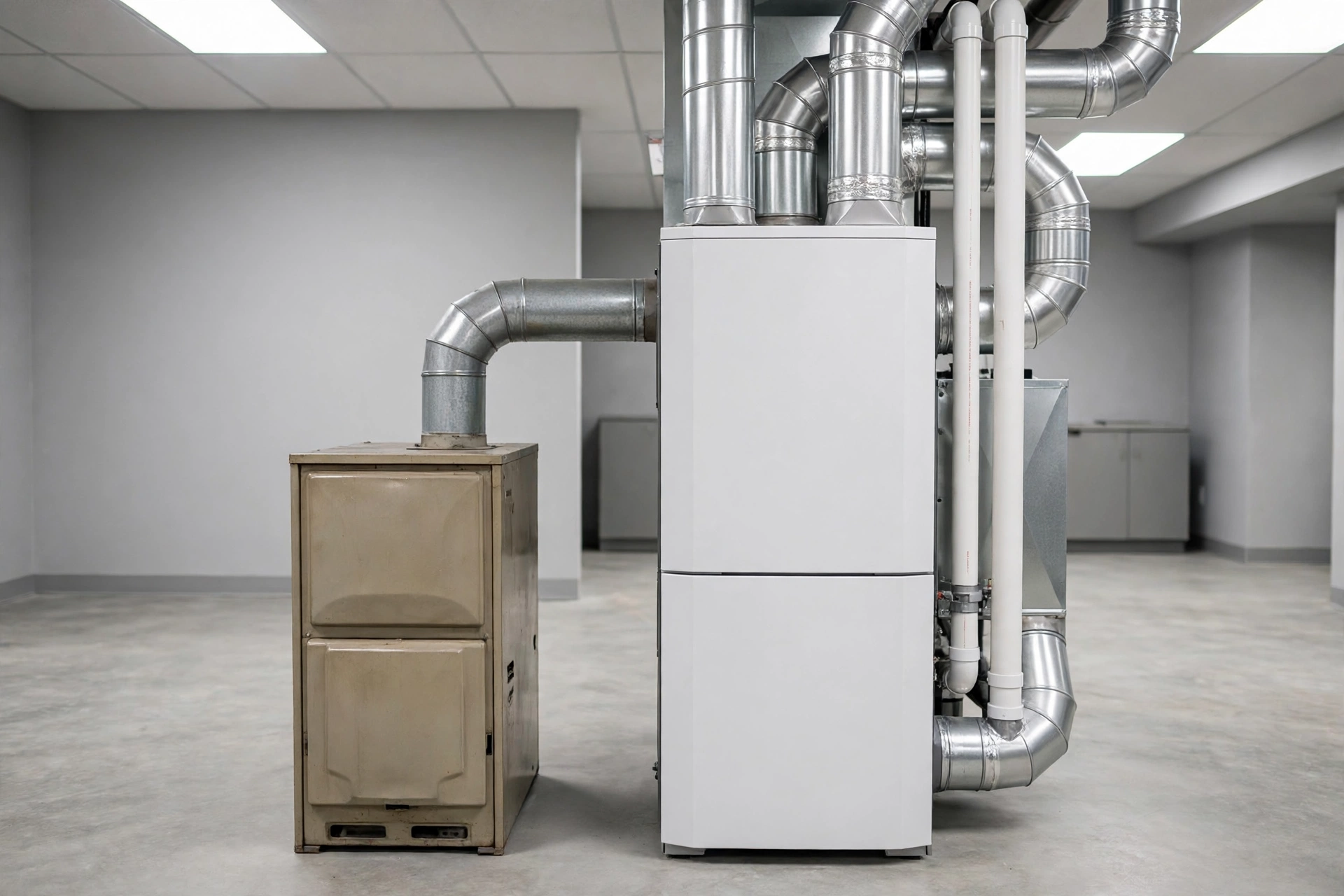
New furnace with control panel visible in a basement

One speed, or two: what the words actually mean

A single-stage furnace has one heating output: full. When the thermostat calls for heat, the burner fires at full capacity, the blower runs at its set speed, and the furnace heats until the thermostat is satisfied, then shuts off. It is simple, proven, and well understood, and for a smaller, well-insulated home with a straightforward duct layout, that simplicity is often all the house needs.

A two-stage furnace adds a lower first stage, typically well below full output. On a mild day, or when the house needs only a little heat to hold temperature, it runs in low stage: a smaller flame, a slower blower, a longer, gentler heating cycle. Only when the thermostat calls for more heat — a cold morning, a house recovering from a setback, or a January night — does it step up to full output. The difference is not magic; it is a furnace that can match its output to the house's actual need instead of always running flat out. Our furnace installation and replacement page explains how that choice fits into a replacement conversation.
What the difference feels like inside the house

The most noticeable difference is steadiness. A single-stage furnace heats in bursts: warm air, then cooling air as the house drifts down, then another burst. Rooms near the thermostat feel the swing most, and far rooms may cool between bursts. A two-stage furnace in low stage runs longer and more gently, so temperatures drift less, air circulates for longer, and far rooms get a steadier share of warm air. Homeowners often describe the house as feeling “even” rather than “hot, then cool” — not warmer on the thermostat, but less up-and-down around it.

That longer, gentler circulation also helps with the cold-room pattern that plagues larger or older homes. Air moving for longer reaches the end of long duct runs more reliably than air pushed in short bursts. It does not fix a disconnected duct or a crushed flex run — those are ductwork and airflow problems, not furnace problems — but where the ducts are sound and the rooms are simply far away, a longer cycle helps noticeably. Our post on heating older St. Cloud homes looks at the house-side half of that same problem.

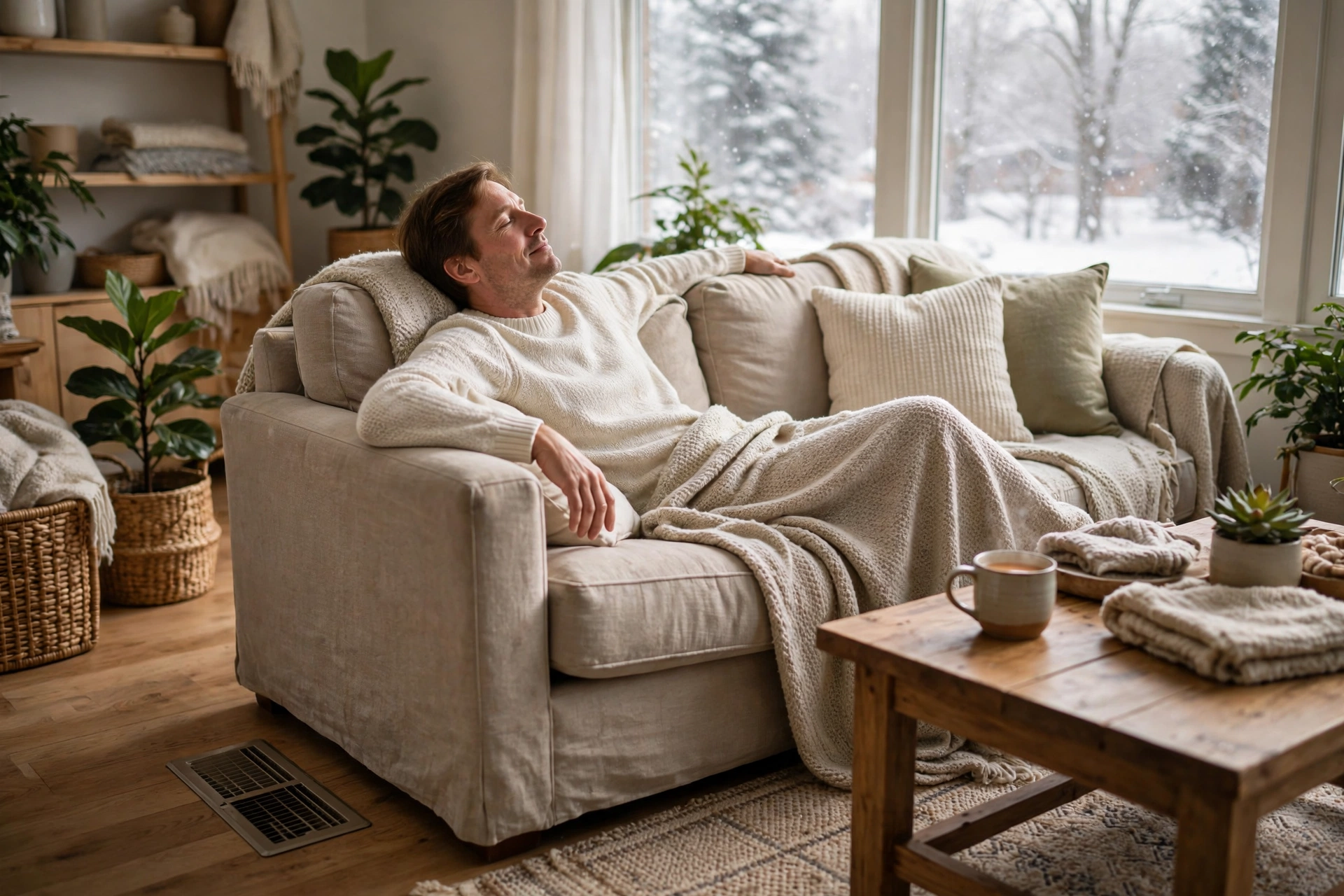
Thermostat set to a steady temperature in a comfortable living room

Does two-stage mean lower heating bills?

It can, but the honest answer is “sometimes, and modestly.” A two-stage furnace in low stage uses less fuel per hour than at full output, and longer cycles lose less heat up the flue on startup than repeated short bursts. But the house still needs the same total amount of heat over the winter; staging changes how that heat is delivered, not how much the house loses through walls, windows, and roofs. A drafty house with a two-stage furnace still loses heat fast, and insulation and air sealing will move the bill more than staging alone.

Where two-stage earns its keep most clearly is comfort in a climate like central Minnesota's, where the heating season is long and much of it is mild-to-moderate cold rather than extreme cold. A furnace that spends most of its season in low stage, stepping up only for the coldest stretches, fits that pattern well. In a small, tight, single-level home, the comfort gain may be small enough that a single-stage furnace is the sensible choice. The right question is not “which is better?” but “which fits this house, its ducts, and its rooms?” A tune-up and safety inspection of the current system gives a technician the facts to answer that for your home.

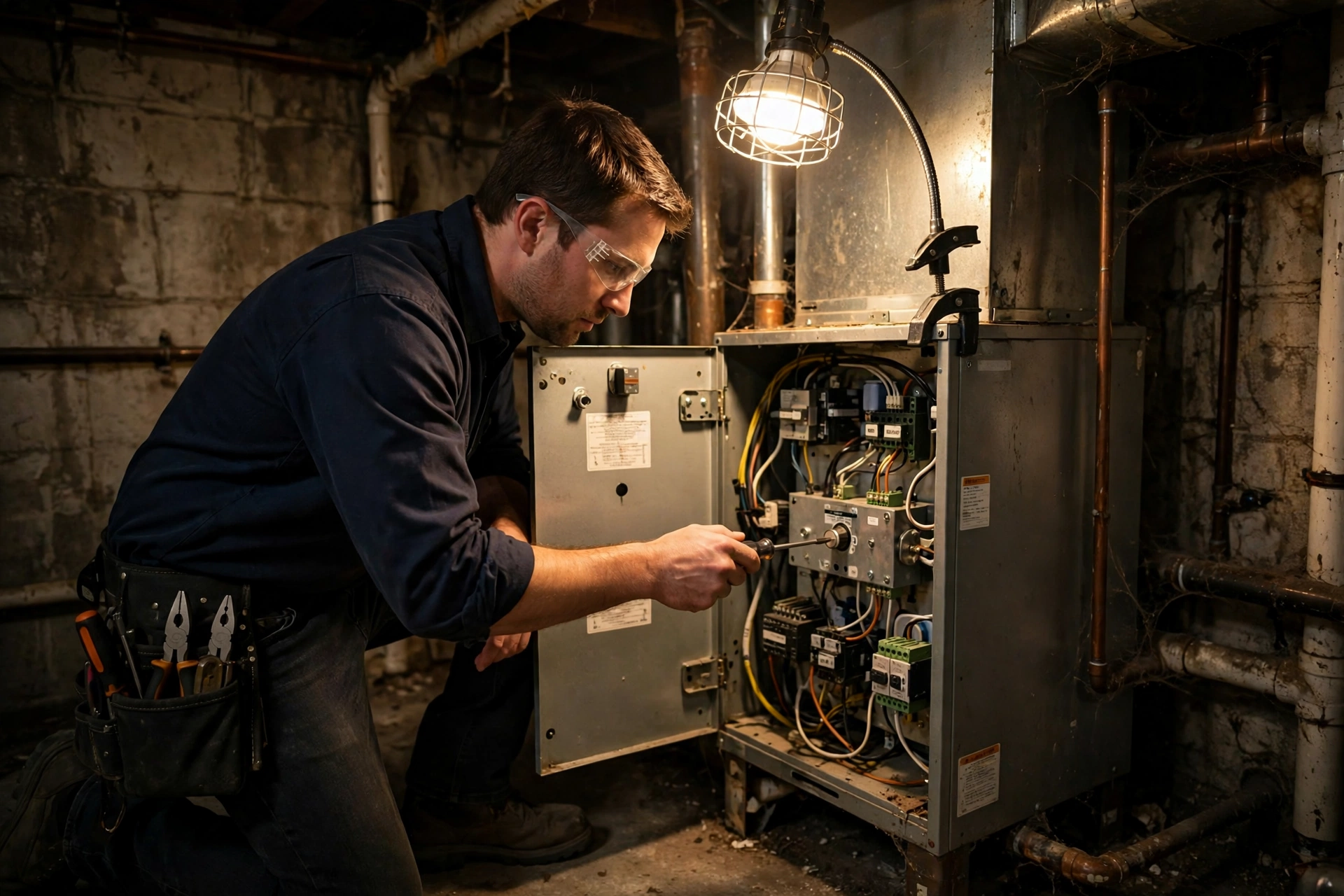
Two-stage thermostat controls mounted on a hallway wall

Controls, thermostats, and getting the staging right

A two-stage furnace needs a thermostat and wiring that can actually call for two stages. With a single-stage thermostat, the furnace may decide staging itself on a timer — running low for a set time, then stepping up whether the house needs it or not — which gives up much of the benefit. With a proper two-stage thermostat, the house's actual temperature drives the decision: low stage while the temperature holds, high stage when it falls behind. That distinction is worth asking about directly when a replacement is quoted.

Controls matter for zoning too. In a home where different areas need different amounts of heat, staging and zoning together can keep a far bedroom and a sunny living room comfortable at the same time, where a single-stage furnace with one thermostat forces a compromise. Our thermostat, controls, and zone heating page explains that combination, and our post on furnace sizing explains why staging never fixes an oversized furnace — a furnace far too large for the house will short cycle even in low stage.

Choosing for your house, not for a brochure

Start from the house: its size, its levels, its duct layout, and whether rooms already heat unevenly. A larger or two-level home with long duct runs is the classic two-stage candidate. A smaller, single-level, well-insulated home may gain little. Then look at the furnace you have: if it short cycles, runs in bursts, and leaves rooms uneven, staging may help — but only after duct and sizing problems are ruled out, because a new furnace of either type pushing air through faulty ducts repeats the old problem.

Ask any replacement conversation to cover staging, thermostat compatibility, and sizing together, as one decision rather than three separate ones. A furnace chosen that way fits the house it will actually heat, through a Minnesota winter and through the milder months on either side of it. You can start that conversation from our contact page, and homeowners in St. Joseph and the towns around St. Cloud face the same choice, with the same house-first answer.

People Also Ask

Is a two-stage furnace worth it in Minnesota?

Often, yes, for larger or two-level homes, because much of the long heating season is mild-to-moderate cold where low stage runs gently and evenly. For a small, tight, single-level home, the comfort gain may be small. The value depends on the house's size, duct layout, and existing uneven heating, not on the furnace alone.

Can I use my old thermostat with a two-stage furnace?

Sometimes, but with a compromise. A single-stage thermostat cannot call for two stages, so the furnace may stage on a timer instead of on room temperature. A proper two-stage thermostat lets the house's actual temperature decide, which is where most of the comfort benefit comes from, so it is worth asking about.

Does a two-stage furnace run longer than a single-stage furnace?

Yes, deliberately. Low stage runs longer and more gently than a full-output burst, which keeps temperatures steadier and circulates air to far rooms for longer. Longer run times in low stage are normal and are not a sign of a problem, unlike short cycling, where the furnace starts and stops every few minutes.

Need a Furnace Technician?

Call Quarry Furnace Co. about your furnace — repair, replacement, and tune-ups in St. Cloud and the towns around it.

(320) 389-8174

Frequently Asked Questions

Answers about this topic, in plain language.

What does single-stage mean on a furnace?

Single-stage means the furnace has one heating output: full. When the thermostat calls for heat, the burner fires at full capacity until the thermostat is satisfied, then the furnace shuts off. It is simple and proven, and it suits smaller, well-insulated homes with straightforward ductwork.

What does two-stage mean on a furnace?

Two-stage means the furnace can run at a lower first stage for mild demand and step up to full output when the house needs more heat. Low stage gives longer, gentler cycles with steadier temperatures, and high stage handles cold mornings and January nights.

Will a two-stage furnace fix my cold rooms?

It can help where rooms are cold because air never circulates long enough to reach them, since low stage runs longer. It will not fix a disconnected duct, a crushed duct run, or a furnace sized wrong for the house, so those causes should be ruled out first.

Does a two-stage furnace use less gas?

It can use modestly less, because low stage burns less fuel per hour and longer cycles waste less heat on startup than repeated short bursts. The house still needs the same total heat over winter, so insulation and air sealing usually move the bill more than staging alone.

Can a two-stage furnace be installed in any home?

Most homes can accept one, but it needs compatible thermostat wiring to stage on temperature rather than on a timer, and it needs ductwork that can handle both low and high airflow. A technician can check the wiring and ducts before a replacement is chosen.

Is a two-stage furnace more complicated to maintain?

It has a two-stage gas valve and a control board that manages staging, which adds parts compared with a single-stage furnace, but the maintenance rhythm is the same: a yearly tune-up covering ignition, flame sensing, airflow, and safety switches. The extra parts do not change that schedule.

Call About Your Furnace

St. Cloud and the towns around it.

(320) 389-8174

Related Pages